Overcoming IT Band Syndrome is a vital step in reclaiming your physical performance and maintaining the long-term mobility necessary for an active, disciplined lifestyle. In this guide, I will provide you with a reliable, evidence-based roadmap to manage your discomfort, strengthen your hip stabilisers, and navigate your recovery timeline with confidence. You will learn exactly how to structure your rehabilitation routine so you can return to your training stronger and more resilient than before.
It band pain exercises
Understanding and addressing iliotibial band discomfort
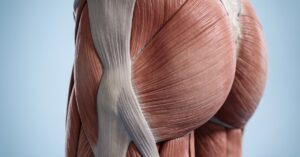
Iliotibial band (ITB) irritation frequently stems from insufficient strength in the hip and gluteal muscles. This weakness forces the IT band to compensate, leading to excessive tension and fatigue. Rather than focusing solely on stretching the band itself, a more effective approach involves enhancing the strength of your hip abductors, specifically the gluteus medius, and ensuring the hip flexors are properly mobilised.
Recommended techniques for relief and prevention
To reduce pain and prevent recurrent IT band syndrome, consider integrating the following habits into your fitness regimen:
- Ensure you schedule at least one complete rest day for every seven to ten days of training.
- Always pay close attention to your body’s signals and avoid pushing through sharp pain.
- Utilise a foam roller to improve tissue pliability and promote circulation, spending approximately 20 to 30 seconds on each targeted area for a total of three to five minutes.
Targeted exercises for recovery
Incorporate these specific movements into your routine to support hip function and alleviate IT band strain:
- Clamshells: Lie on your side with your knees bent. Keeping your feet touching, lift your upper knee to open the legs like a clam. This targets the gluteus medius muscles.
- Pelvic bridge with leg extension: Lie on your back with knees bent and elevate your pelvis. Maintain a level, stable pelvis while straightening one leg. Hold this position for five seconds before alternating.
- Hip flexor stretch: Kneel on the floor and step one leg forward, bending the knee to a 90-degree angle. Keep your rear knee planted and engage your glutes to shift your hips forward gently until you feel a stretch in the front of the hip.
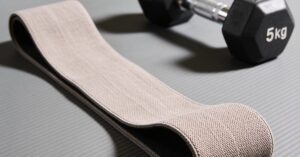
- Lateral band walks: Place a resistance band around your legs. Move sideways in a controlled manner, maintaining tension on the band to challenge your hip stabilisers.
- Side-lying leg raises: Lie on your side with both legs straight. Lift your top leg steadily, ensuring your body remains in a straight line. Repeat this movement to improve hip stability and balance.
For further support and visual demonstrations regarding your recovery process, please consult authoritative medical sports resources or comprehensive guides on injury rehabilitation.
The Most Effective IT Band Pain Exercises for Relief
The most effective way to address IT Band Syndrome is by prioritising hip stability and glute activation through targeted, consistent movement. You should start your recovery by performing clamshells, completing 15 repetitions over 2 sets to wake up the outer glutes. Additionally, incorporate figure-4 bridges and the glute wall press isometric to build structural support. Wall squats are another essential tool; place your back against a wall and walk your feet out 18 to 24 inches to engage the stabilisers without putting undue pressure on the knee joint. Finally, include side-lying leg lifts, which are excellent for targeting the outer glutes without firing the tensor fasciae latae (TFL), as well as a dedicated hip flexor stretch to maintain overall pelvic range of motion. Mastering these specific IT Band Pain Exercises early on creates the foundation for a pain-free return to your favourite sports, ensuring that your kinetic chain is firing correctly from the hips down to the ankles.
Understanding the Anatomy and Science Behind IT Band Pain Exercises
The iliotibial band is a thick layer of non-contractile collagen fibres originating from the iliac crest and attaching to the gluteus maximus and TFL, meaning it cannot be stretched like a standard muscle. A 2021 study by TM Pepper found no effect of foam rolling on short-term ITB stiffness in vivo, which is why your approach must shift from „rolling the pain” to „releasing the surrounding tissues.” When you look at the mechanics of the hip, it becomes clear that the band itself is merely a passenger to the muscles that pull on it. By addressing the tension in the glutes and lateral quadriceps rather than grinding directly into the inflamed spot on the knee, you respect the anatomy and speed up your healing process. Many guys assume that more pressure on the painful area is better, but experience taught me that precision and patience with these IT Band Pain Exercises yield far better results than aggressive, misguided rolling.
| Target Area | Technique | Duration |
|---|---|---|
| Gluteus Maximus | Longitudinal strokes | 2 minutes/leg |
| Gluteus Medius | Longitudinal strokes | 2 minutes/leg |
| TFL & Lat. Quads | Point pressure | 30–60 seconds |
Essential Strengthening Routines for Hip Stability
You can effectively build the necessary hip strength to resolve IT band issues by performing a structured nine-exercise rehabilitation routine 2 to 3 times per week. Ever found yourself wondering if you’re actually hitting the right muscles? Focus on technical precision for each movement to ensure your pelvis remains balanced during activity. The goal is to isolate the stabilisers that prevent the knee from collapsing inward during runs or heavy lifts.
- Hip hikes: Control the movement with your pelvis, not your back.
- Heel drops: Keep your hips level throughout the descent.
- Side planks: Maintain a straight line from head to heels.
- Side leg abduction: Keep the motion slow and deliberate.
- Clam shells: Perform 30 reps per side to build real endurance.
If you are struggling with form or need a more personalised assessment, you can contact the experts at Physiofit Cambridge on 01223 914140 to ensure your technique is bulletproof. Integrating these movements into your weekly schedule is the most reliable way to prevent future flare-ups and maintain high-level athletic performance.
Practical Home Management for IT Band Pain Exercises
Fixing IT Band Syndrome at home requires a disciplined routine of inflammation management and strategic load reduction. Remember: consistency is the only way to beat this, so don’t be the guy who does one session and expects a miracle. Managing the localised inflammation is just as important as the strength work, as it allows you to maintain a baseline of comfort while your hips get stronger.
- Apply ice to the outer knee for 15–20 minutes every 2-3 hours.
- Use a resistance band above the knees for hip thrusts to force glute engagement.
- Take at least one full day off from exercise every 7–10 days to allow for tissue repair.
- Focus your foam roller on the glutes and calves rather than the IT band itself.
Your Roadmap to Full Recovery
Your recovery timeline depends heavily on the severity of the condition, with mild cases typically resolving in 4 to 6 weeks and more severe cases requiring 8 to 12 weeks of dedicated effort. Important: Rehabilitation is best divided into three clear phases to ensure you don’t re-aggravate the injury by jumping back into high-intensity training too soon. I have seen many athletes stall because they treated it like a minor annoyance rather than a structural imbalance that demands a phased approach.
| Phase | Focus | Key Exercises |
|---|---|---|
| Phase 1 | Pain Management | Ice, gentle mobility |
| Phase 2 | Strength & Control | Straight leg raises, wall stretches |
| Phase 3 | Return to Activity | Gradual load reintroduction |
When to See a Doctor for IT Band Pain
You should seek immediate medical attention if you experience a „pop” sensation, severe swelling, an inability to bear weight, or a visible deformity, as these may indicate a more significant structural injury. If your knee pain is the result of a major injury, prioritise emergency care over self-treatment. For persistent, less acute issues, schedule an appointment if your pain fails to improve after 1 to 2 weeks of rest. Furthermore, if you have followed a dedicated self-care protocol for 4 to 6 weeks without seeing improvement, it is time to consult a sports medicine physician, orthopaedic specialist, physiatrist, or physical therapist to rule out other underlying causes.
Frequently Asked Questions
Can I continue running while experiencing IT band pain?
It is generally advised to reduce or stop running until you can perform daily movements without pain. Continuing to run through the irritation often delays healing and can turn a mild issue into a chronic one.
Do I need special equipment for these exercises?
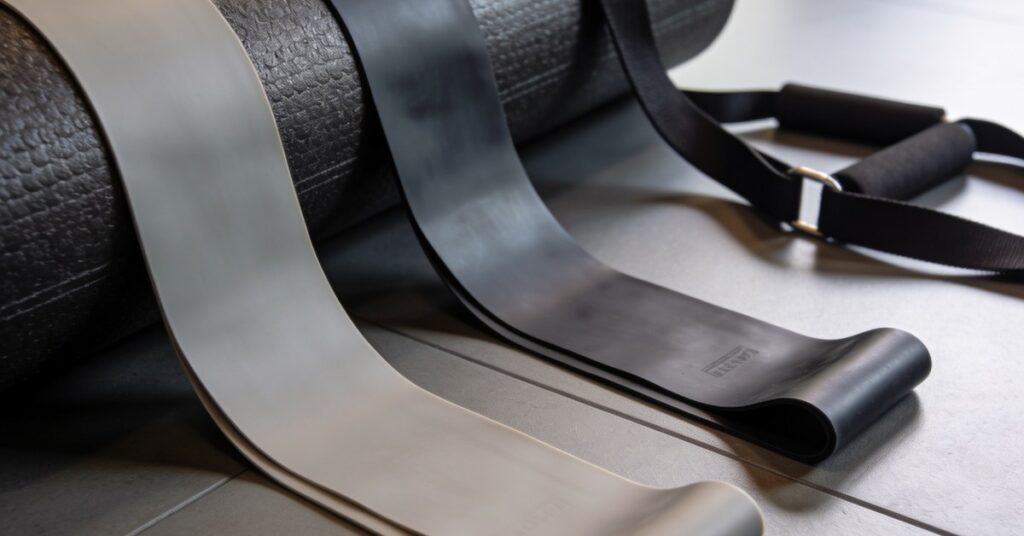
Most of the required exercises can be done with minimal gear, such as a foam roller, a resistance band, and a stable surface. You do not need an expensive gym membership to follow an effective rehabilitation programme at home.
Why does my knee feel worse after foam rolling?
The IT band is a dense, non-contractile tissue, and aggressive rolling can cause further inflammation to the underlying bursa or nerves. Always pivot your focus toward stimulating the muscles attached to the band rather than the band itself.
Is surgery ever required for this condition?
Surgery is an extremely rare last resort that is only considered if all conservative, long-term rehabilitation efforts fail after several months. The vast majority of individuals find complete relief through dedicated strength and control training.
Prioritising hip stability over direct rolling will dramatically accelerate your healing process. Stay consistent with your IT Band Pain Exercises, and remember that your patience today is the key to a stronger, pain-free performance tomorrow.