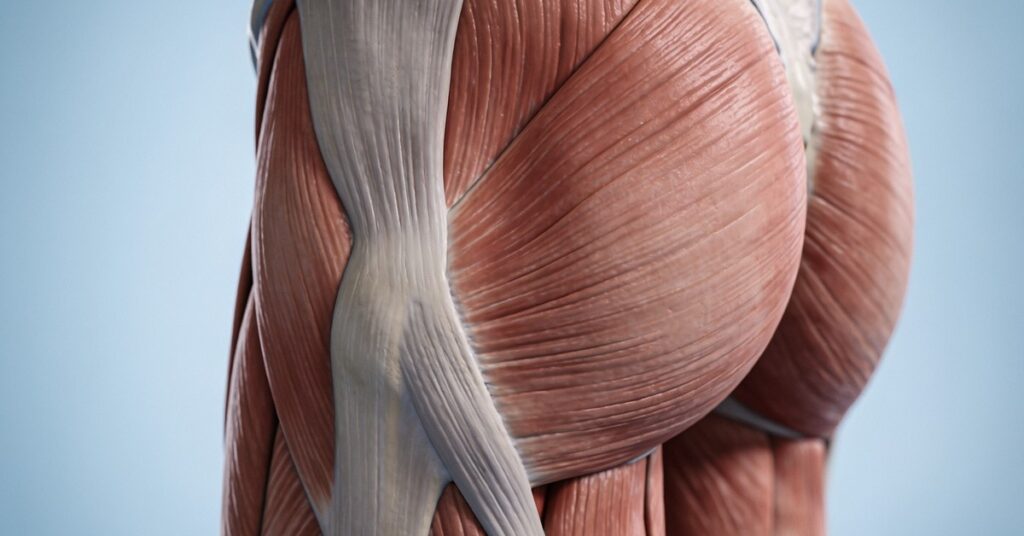
Persistent buttock pain can be a major barrier to your physical performance and daily focus, but understanding how to move correctly is the key to reclaiming your mobility. In this guide, I will walk you through evidence-based exercises and recovery strategies so you can confidently manage your discomfort and build a resilient foundation for your body. You will learn exactly which movements provide relief, how to safely progress your training, and when it is time to prioritise professional medical advice.
The most effective way to address general discomfort is to combine targeted static stretching with controlled strengthening movements, such as bridges and pelvic tilts, to restore balance to your hip musculature. By incorporating regular glute stretches, hamstring squeezes, and hip flexor work into your routine—aiming for up to 3 sets per session—you can systematically reduce tightness and improve joint function while performing these specific Buttock Pain Exercises.
Immediate Stretches for Gluteal Tension and Relief
You can alleviate deep-seated gluteal tension by performing consistent, slow-lengthening stretches that target the piriformis and surrounding hip rotators. Ever found yourself in a similar spot, wondering why your hips feel like rusted hinges after a long day?
- Seated Figure-Four: Sit upright, place your right ankle on your left thigh just above the knee, and gently lean forward for 20–30 seconds.
- Lying Figure-Four: Lie on your back with feet flat, cross your right ankle over your left thigh, and gently pull your legs toward you.
- Pigeon Pose: Hold this deep hip opener for 20–30 seconds per side to encourage serious muscle relaxation.
Mastering Targeted Knee-to-Shoulder Techniques
The best way to isolate the buttock area is to pull your bent knee with your arm towards your opposite shoulder while keeping your back straight. To perform this gluteal stretch effectively, sit with your legs straight, bend one knee, place the heel on the inside of the straight knee, and pull the bent knee across your body.
Strengthening Protocols for Gluteal Tendinopathy
Managing gluteal tendinopathy requires a structured approach that prioritises building tissue tolerance through static isometric holds before progressing to heavier, dynamic loads. Perform these strengthening exercises 3 to 4 times a week, starting with isometric side leg lifts as your primary movement.
Remember: Always place a pillow underneath the knee when sleeping on your side to avoid unnecessary compressive loads on your hip.
| Exercise Type | Goal | Frequency |
|---|---|---|
| Isometric Holds | Build tolerance | 3–4 times/week |
| Slow, Heavy Movements | Long-term resilience | Progressive |
| Clam Shells | Avoid if painful | As needed |
Managing Piriformis Syndrome and Sciatica with Buttock Pain Exercises
Recovery from piriformis syndrome involves a strict routine of ankle-over-knee stretches, knee-to-shoulder piriformis stretches, and facedown leg raises performed twice daily, holding each for 30 seconds. To support this process, you must avoid habits that compress the nerve, specifically crossing your legs for long periods, slumped sitting, deep squats, and cycling.
For those dealing with sciatic nerve irritation, focus on nerve glides; perform these in a seated position along with single knee-to-chest stretches—repeat 3 times, holding for 20 seconds each. Utilize seated spinal stretches or the slouched position exercise, where you sit on a chair with legs hanging off the edge, to provide relief. If you have any significant medical concerns regarding your symptoms, NHS advice is to call 111 for professional guidance.
Evidence-Based Physiotherapy and Buttock Pain Exercises
Physiotherapists identify side-lying abduction as the most effective exercise for Gluteus Medius activation, followed closely by the single limb squat. These movements, alongside lateral band walks, are evidence-based protocols that strengthen the buttock muscles and ensure the hip joint remains stable under load.
In a clinical setting, professionals often prescribe hip flexion, external rotation, and bridging to address functional deficits. Incorporating the Seated Figure-Four Stretch, Seated glute stretch, Downward-Facing Dog, and Knee to opposite shoulder into your daily physical therapy routine will help maintain the gains made during active sessions.
When to Stop and Seek Advice
You must stop all exercises immediately if you experience red-flag symptoms such as saddle anesthesia, loss of bowel or bladder control, or severe weakness. Furthermore, if movements cause sharp, shooting pain down your leg, or if any activity consistently increases joint pain, it is time to cease the routine and seek a professional consultation.
Important: Do not push through discomfort if your stretches cause a lasting increase in pain for more than 24 hours, or if the pain continues for several days after exercise.
Frequently Asked Questions
Is it normal to feel soreness after performing these exercises?
Mild muscle soreness is common when starting a new routine, but it should subside within 24 to 48 hours. If the pain is sharp or persists longer, you should reduce the intensity of your movements.
Can I perform these exercises every day?
While some gentle stretches can be done daily, strengthening protocols for tendinopathy are best performed 3 to 4 times a week to allow for tissue recovery. Always listen to your body and incorporate rest days if you feel overly fatigued.
How do I know if my pain is related to the sciatic nerve?
Sciatic pain typically presents as sharp, shooting, or burning sensations radiating from the lower back or buttock down the leg. If you experience numbness or tingling, it is essential to consult a healthcare professional for a formal diagnosis.
Should I use a foam roller for my gluteal pain?
Foam rolling can be a useful tool for releasing superficial tension, but it should be done carefully to avoid compressing inflamed nerves. Avoid rolling directly over bony prominences or areas of acute, sharp pain.
Consistency is your best tool for recovery when performing these Buttock Pain Exercises; listen to your body and always prioritise quality of movement over intensity.