Dealing with the persistent knee pain of Osgood-Schlatter disease can be a major setback for your training consistency and long-term physical development. This guide provides reliable, actionable insights into what you can expect during your recovery, helping you manage your symptoms effectively while staying as active as your body allows. You will learn exactly how to navigate this phase with proven home strategies and clear guidance on when to seek professional support.
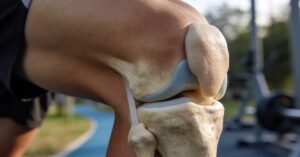
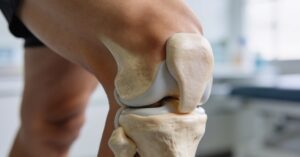
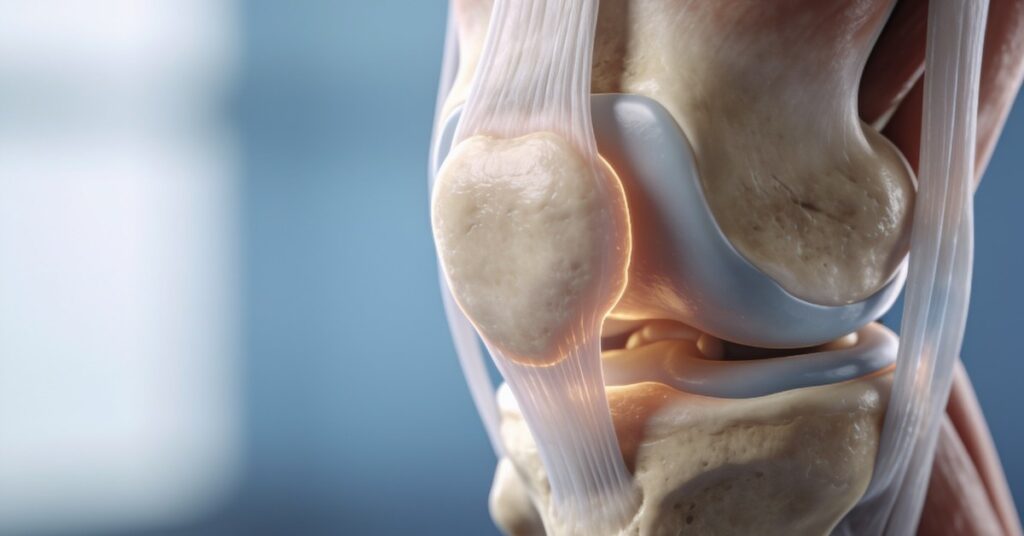
Osgood-Schlatter disease is a common condition during adolescence that causes pain, swelling, and tenderness just below the kneecap at the tibial tuberosity. It is essentially an overuse injury linked to rapid growth spurts, where the patellar tendon pulls on the developing growth plate, but it is not a permanent condition and generally resolves once the skeletal system matures.
Understanding the Diagnosis and Clinical Assessment of Osgood-Schlatter Disease
Diagnosis is primarily based on a patient’s history and a targeted clinical physical examination rather than routine expensive imaging. A doctor will typically perform a physical examination involving palpation of the tibial tuberosity to check for localized swelling and tenderness, while also evaluating overall knee mobility and assessing for any noticeable limping.
Clinical Evaluation Methods for Osgood-Schlatter Disease
The clinical diagnosis often includes testing for pain specifically provoked by resisted knee extension, which highlights the mechanical stress on the tendon. While plain radiographs are sometimes used to rule out avulsion fractures, an MRI is far more sensitive and specific than plain radiographs, CT scans, or ultrasound, particularly if the physician needs to demonstrate soft-tissue swelling anterior to the tibial tuberosity to confirm the diagnosis.
Effective Home Management Strategies for Osgood-Schlatter Disease Pain
You can manage Osgood-Schlatter disease at home by focusing on inflammation control and reducing the mechanical load on the affected tendon. Ever found yourself wondering if you should just tough it out? From my experience, being smart about recovery now saves you a lot of grief later.
| Strategy | Action |
|---|---|
| Cold Therapy | 15–20 mins every few hours (use a cloth!) |
| Pain Management | NSAIDs like Ibuprofen or Naproxen |
| Support | Kneepads or patellar tendon straps |
To further support your recovery, incorporate these daily habits:
- Perform gentle quadriceps and hamstring stretches to relieve tension.
- Use foam rolling to improve blood flow to the surrounding tissues.
- Execute isometric exercises to maintain strength without stressing the growth plate.
Staying Active and Balancing Sport with Osgood-Schlatter Disease
Playing sports is generally safe and encouraged, provided your pain level remains at or below a 3/10 rating. You must be careful, however, because playing through pain risks aggravating the condition, and activities involving excessive running, jumping, or deep knee-bending should be strictly limited to prevent further irritation of the growth plate.
It is important to find a balance because muscle atrophy and deconditioning can begin after as little as 7–10 days of complete rest. Staying active helps maintain your physical base, provided you listen to your body and avoid the high-impact movements that trigger the sharp, characteristic pain of this condition.
Timeline for Resolution and Growth in Osgood-Schlatter Disease
The condition typically resolves naturally when the bones stop growing, which aligns with the end of the adolescent growth spurt. Girls usually stop growing around age 14, while boys generally reach skeletal maturity around age 16, though the disease can persist in boys between the ages of 16 and 18 in some cases.
You should expect the symptom duration to last anywhere from 12 to 24 months during the most active phase of your growth spurt. Most teenagers will require at least a few weeks of dedicated rest during the most intense periods of discomfort to allow the inflammation to subside.
When to Seek Professional Consultation for Osgood-Schlatter Disease
See a doctor or physiotherapist as early as possible if the child develops pain or discomfort, even if it seems mild, to confirm the diagnosis and ensure you have a proper management plan. You should specifically seek medical evaluation if knee pain does not improve after a few days of rest, or if the pain persists despite using over-the-counter painkillers like paracetamol or ibuprofen.
Important: If the child develops a noticeable limp or if there is significant swelling and redness around the knee, do not wait—seek professional medical attention immediately as these are indicators that the condition may require a more tailored clinical approach.
Long-Term Outlook and Potential Complications of Osgood-Schlatter Disease
While most cases resolve without issue, some individuals may experience long-term complications including a permanent, sensitive bony bump below the kneecap or chronic anterior knee pain. These lingering effects can lead to a decreased level of knee health compared to healthy populations and may result in a lower health-related quality of life or functional limitations in adulthood.
Other potential long-term issues include muscle weakness and an increased risk of developing patellar tendinitis, often referred to as jumper’s knee. In rare instances, the presence of residual ossicles may require surgical removal if they continue to cause mechanical discomfort, reinforcing the importance of proper care during your teenage years.
Frequently Asked Questions
Are there specific dietary changes that help Osgood-Schlatter disease?
There is no specific diet that cures this condition, but maintaining a balanced intake of calcium and vitamin D is essential for overall bone health during your growth years. Staying hydrated also helps keep your connective tissues pliable and supports general joint health.
Can wearing specific footwear reduce knee pressure?
Yes, wearing shoes with good arch support and adequate cushioning can significantly reduce the impact forces transmitted to your knees during daily activities. If you are an athlete, ensuring your trainers are not worn out is a simple way to protect your tibial tuberosity.
Will physiotherapy speed up my recovery time?
Physiotherapy is highly effective because it provides a structured exercise programme tailored to your specific muscle imbalances and flexibility needs. A physiotherapist can also teach you the correct form for isometric exercises to ensure you are not accidentally overloading the joint.
Does the condition affect both knees simultaneously?
In many cases, Osgood-Schlatter disease can affect both knees at the same time, although the severity of symptoms often differs between the left and right sides. If you notice pain developing in your second knee, it is best to apply the same rest and ice protocols immediately rather than waiting for the discomfort to escalate.
Staying consistent with your mobility work and listening to your body’s pain threshold is the smartest way to ensure you return to the field stronger. Prioritise controlled activity over total rest to keep your muscles conditioned while your growth plates safely fuse.