Persistent pain on the top of your foot is more than just a nuisance; it is a critical signal from your body that your mobility and long-term physical health are being compromised. In this guide, I will break down the common causes of this discomfort and provide you with actionable, evidence-based strategies to manage your symptoms effectively and know exactly when it is time to seek professional medical help. By following these practical steps, you can take control of your recovery and get back to the activities that define your lifestyle.
The primary reason your foot hurts on top is usually mechanical overload or inappropriate footwear, which triggers inflammation in the tendons or stress on the underlying bones. Whether you are dealing with extensor tendonitis, stress fractures in the metatarsals, or osteoarthritis, the underlying issue is almost always a result of excessive strain on the midfoot structures. Identifying these triggers early is essential to preventing chronic injury and maintaining your long-term fitness goals.
Understanding Why Your Foot Hurts on Top and Identifying Common Culprits
Pain in this region often stems from specific mechanical failures, such as nerve irritation or entrapment, which can cause sharp, localised discomfort. Ever found yourself in a similar spot, wondering why a simple walk suddenly feels like a chore when your foot hurts on top? From my own experience, ignoring those early warning signs is a fast track to the sofa, so let’s look at the main offenders in the table below.
| Category | Common Condition |
|---|---|
| Overuse/Strain | Extensor tendonitis, Sprains |
| Bone/Joint | Stress fractures, Osteoarthritis |
| Systemic/Nerve | Gout, Sciatica, Nerve entrapment |
How to Identify Foot Hurts on Top Symptoms and Seek Medical Diagnosis
You can identify the root of your foot pain by observing specific physical markers, such as a grating or crackling sensation near a tendon, which is a hallmark of tendonitis. If you notice a lump along a tendon, this further confirms a soft tissue involvement that requires rest. Gout is distinctively characterised by skin that is red, hot, and swollen, with pain often concentrated at the base of the big toe, whereas sciatica involves tingling or numbness that stretches to the back of the leg.
Utilising Diagnostic Pathways for Foot Pain
Professional diagnosis typically involves a combination of a physical exam, X-rays, MRI scans, and blood tests to rule out inflammatory conditions. If you suspect you have broken a bone, contact 111 immediately for urgent guidance. For ongoing management strategies, the NHS Foot Pain Advice page offers reliable, evidence-based protocols to help you navigate your recovery journey.
Practical At-Home Care When Your Foot Hurts on Top
You can manage mild to moderate top-of-foot pain at home by focusing on inflammation reduction and structural support. Follow this routine to get things back on track:
- Apply an ice pack or frozen peas in a towel for 20 minutes every 2–3 hours.
- Use over-the-counter painkillers like paracetamol or anti-inflammatory ibuprofen gel.
- Soak your feet in Epsom salt for 20 minutes daily to relax tight tissues.
- Wear compression socks to keep swelling under control.
Selecting the Right Footwear to Minimise Foot Hurts on Top Discomfort
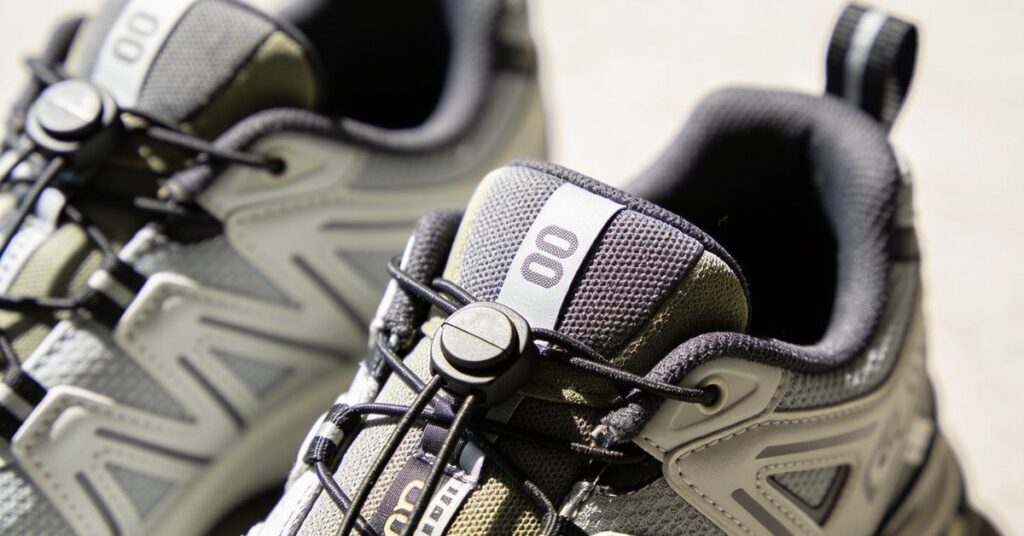
Choosing the correct shoes is vital for recovery; you should opt for footwear with rocker-bottom soles, which are specifically designed to minimise midfoot pressure. Ensure your shoes have stretchable uppers and adjustable laces or Velcro to allow for natural foot swelling during the day. Remember: Always maintain approximately 1cm of space between your longest toe and the end of the shoe, and ensure the sole only bends at the big toe joint.
When to Consult a Healthcare Professional for Foot Pain
You must see a doctor if your pain persists for more than 5 to 7 days, or if the discomfort worsens with activity, as this suggests a deeper injury that home remedies cannot fix. Keep an eye on your symptom duration and seek urgent care if you notice the following red flags:
- Inability to put any weight on the foot.
- Signs of infection (redness, warmth, or discharge).
- Severe, unrelenting swelling.
- Presence of an open wound.
Frequently Asked Questions
Can tight shoes really cause top-of-foot pain?
Yes, wearing tight, pointy, or high-heeled footwear is a frequent cause of top-of-foot pain because it compresses the tendons and nerves on the surface of the foot. Switching to wider, adjustable footwear is often the quickest way to alleviate this pressure.
Should I continue exercising if my foot hurts?
You should avoid any activity that exacerbates the pain, as continuing to put stress on a potential stress fracture or tendonitis will only delay your recovery. Prioritise low-impact movement until the pain subsides and you have regained full weight-bearing capacity.
Is an Epsom salt soak safe for everyone?
While an Epsom salt soak is excellent for reducing inflammation in most healthy adults, you should avoid it if you have an open wound or a severe infection on the foot. Always prioritise keeping an open wound clean and dry, and seek medical attention if you suspect it is infected.
How do I know if I have a navicular stress fracture?
A navicular stress fracture typically presents as vague, aching pain in the midfoot that worsens during exercise and subsides with rest. Because this bone has a limited blood supply, you should see a doctor for an MRI or X-ray immediately to prevent a complete fracture.
Listen to what your body is telling you and give your feet the support they deserve by choosing proper footwear, because your long-term mobility is worth every bit of extra care.