Understanding and managing ovulation pain is essential for maintaining consistent physical performance and overall well-being throughout your monthly cycle. In this guide, I will break down reliable, science-backed strategies to help you distinguish between normal discomfort and red flags so you can confidently prepare your body for any situation. You will learn actionable lifestyle adjustments and medical insights that empower you to take full control of your health and minimise unnecessary disruption to your daily life.
The most effective way to address what helps ovulation pain is to combine immediate thermal therapy with targeted anti-inflammatory support. For many, simple adjustments like increasing your intake of omega-3 fatty acids and magnesium are the best first-line defences to keep discomfort manageable. If these natural approaches fail, over-the-counter medications can help you stay on track with your fitness and professional commitments without losing momentum. By taking a proactive approach, you can effectively mitigate the cycle-related dips in energy that often catch people off guard.
What helps ovulation pain
Managing discomfort during ovulation
Ovulation discomfort is typically mild and brief, often resolving within a few hours or, at most, a day. For those experiencing persistent or distressing symptoms, several strategies can assist in alleviating the pain.
Recommended home remedies
If you find the sensations uncomfortable, simple lifestyle adjustments and physical relief methods are often sufficient to manage the situation:
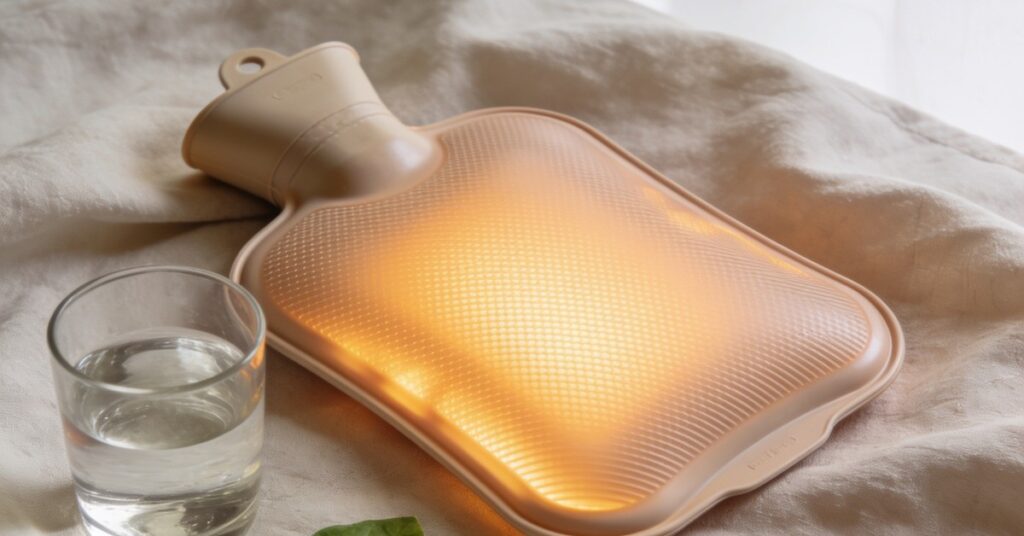
- Apply a hot water bottle or a heating pad to your lower abdomen to soothe the pelvic area.
- Indulge in a warm bath to encourage muscle relaxation and ease tension.
- Prioritise rest and avoid strenuous activity while the pain persists.
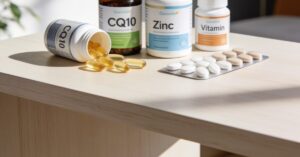
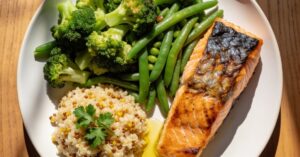
- Consider minor adjustments to your diet, such as increasing your intake of omega-3 fatty acids, which may help to reduce systemic inflammation.
Over-the-counter interventions
Should home remedies prove insufficient, standard pharmaceutical options are available to help you carry on with your day:
- Non-steroidal anti-inflammatory drugs (NSAIDs), such as ibuprofen, are highly effective at the onset of discomfort.
- Paracetamol is an alternative for those seeking pain relief.
Medical oversight and cycle tracking
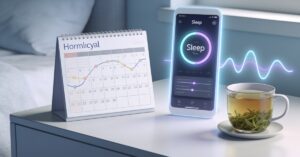
It is advisable to track your menstrual cycle consistently. By recording your symptoms, you can identify recurring patterns that confirm the discomfort is linked to ovulation rather than other conditions. If ovulation is the sole cause of the pain, medical professionals may suggest hormonal contraception as a way to suppress ovulation entirely.
When to seek professional advice
While ovulation pain is generally harmless, there are instances where you should consult a doctor. Please seek medical guidance if you experience any of the following:
- The pain lasts longer than three days.
- You suffer from persistent vomiting or nausea.
- The discomfort is accompanied by heavy or irregular vaginal bleeding.
- The pain is severe, unbearable, or shows no signs of improvement with standard home care.
Identifying Mittelschmerz and what helps ovulation pain
You can identify ovulation pain, or Mittelschmerz, by its predictable timing and specific physical manifestation, which typically occurs about 14 days before the start of your period. This sensation usually lasts from a few minutes up to 48 hours and is felt as a dull ache or sharp, sudden twinges localised to only one side of the lower abdomen. Ever found yourself wondering why the pain seems to play a game of musical chairs each month? It’s because the body cycles between the two ovaries, meaning the side of the pain often switches, occasionally accompanied by minor vaginal discharge or light spotting. Understanding the precise timing and nature of these twinges is the first step in determining what helps ovulation pain during your specific cycle.
Immediate relief through natural techniques and what helps ovulation pain
Natural relief from ovulation pain is best achieved by targeting pelvic tension and inflammation through heat and relaxation. Applying a heating pad or soaking in a warm bath helps to soothe the muscles surrounding the ovaries, effectively dampening the intensity of the twinges. I’ve found that when the pressure is on, a simple, consistent routine helps keep the mind sharp and the body relaxed:
- Apply a heating pad to the pelvic area for 15-20 minutes to relax local muscle tissue.
- Perform deep breathing exercises to reset your nervous system and manage the stress response.
- Practice gentle yoga or meditation to alleviate physical and psychological tension that exacerbates the ache.
- Consider professional acupuncture or chiropractic care if you require deeper structural support for persistent discomfort.
Managing symptoms with over-the-counter medication
When natural methods are insufficient, specific medications can help you stay in the game. The following table provides a quick reference for choosing the right approach based on your needs, which is a critical consideration when assessing what helps ovulation pain effectively:
| Medication Type | Examples | Primary Benefit |
|---|---|---|
| NSAIDs | Ibuprofen, Naproxen | Targets inflammation and pain at the source. |
| Analgesics | Paracetamol, Acetaminophen | Effective for general pain relief without anti-inflammatory action. |
Remember: Always follow the dosage instructions on the packaging to maintain safety while achieving the pain relief necessary to maintain your daily activity levels. While these medications are widely available, they should be used as a support tool rather than a permanent fix for chronic pelvic issues.
Long-term lifestyle strategies for pain reduction
You can reduce the frequency and severity of ovulation pain by making strategic, long-term adjustments to your nutrition. From my experience, cutting out junk and focusing on high-quality fuel isn’t just for gym gains—it’s for overall systemic balance. Consider these dietary staples to build a more resilient internal environment:
- Oily fish: High in omega-3 fatty acids to combat systemic inflammation.
- Leafy greens and papayas: Rich in essential vitamins that support hormonal health.
- Magnesium and B vitamins: Crucial for muscle function and metabolic health during the follicular phase.
Evaluating hormonal birth control as a preventative measure
Hormonal birth control helps prevent ovulation pain by suppressing the primary mechanism of Mittelschmerz: the release of an egg from the ovary. Options such as combined contraceptive pills, mini pills, or contraceptive implants effectively halt the ovulation process. Since this affects up to 40% of women of reproductive age, the combined pill is often considered the most effective clinical method for keeping this specific cycle-related pain off your calendar entirely. This preventative strategy is worth discussing with a GP if you find that pain consistently disrupts your training or work schedule.
When to consult a medical professional
You must seek professional medical advice if your symptom duration persists longer than 2-3 days or is accompanied by systemic warning signs. It is also critical to seek immediate medical attention if you experience dizziness, heavy bleeding, or if you suspect an ectopic pregnancy. If the pain is severe and you find that standard over-the-counter painkillers are not providing any relief, contact NHS 111 or your GP to rule out other pelvic complications. Prioritising your long-term health means knowing exactly when to step back and let the experts handle the diagnosis.
Frequently Asked Questions
Can light exercise worsen the discomfort during ovulation?
Light exercise generally does not worsen ovulation pain and can often help by increasing blood flow and releasing endorphins. However, it is best to avoid high-intensity workouts if you are experiencing sharp, sudden twinges to prevent unnecessary strain on the pelvic muscles.
Are there specific hydration habits that mitigate this pain?
Yes, maintaining adequate hydration is vital for supporting muscle function and reducing the risk of cramping during the follicular phase. Drinking water consistently throughout the day helps your body process nutrients more efficiently, which is a key component of what helps ovulation pain.
How does stress impact the intensity of ovulation symptoms?
High stress levels can lead to elevated cortisol levels, which may increase your sensitivity to physical pain and disrupt hormonal balance. Managing your mental well-being through structured downtime is an often-overlooked factor in reducing the severity of monthly cycle discomfort.
Should I track my ovulation pain in a journal?
Tracking your symptoms is highly recommended as it allows you to identify patterns and determine which specific remedies provide you with the most relief. This data is also invaluable when discussing your health history with a medical professional, as it provides a clear timeline of your experience.
Consistent application of heat, anti-inflammatory nutrition, and stress management will provide the reliable relief required to keep your daily life on track. Remember that your health is a priority, so stay attentive to your body’s signals and reach out to a professional whenever your symptoms feel out of the ordinary.