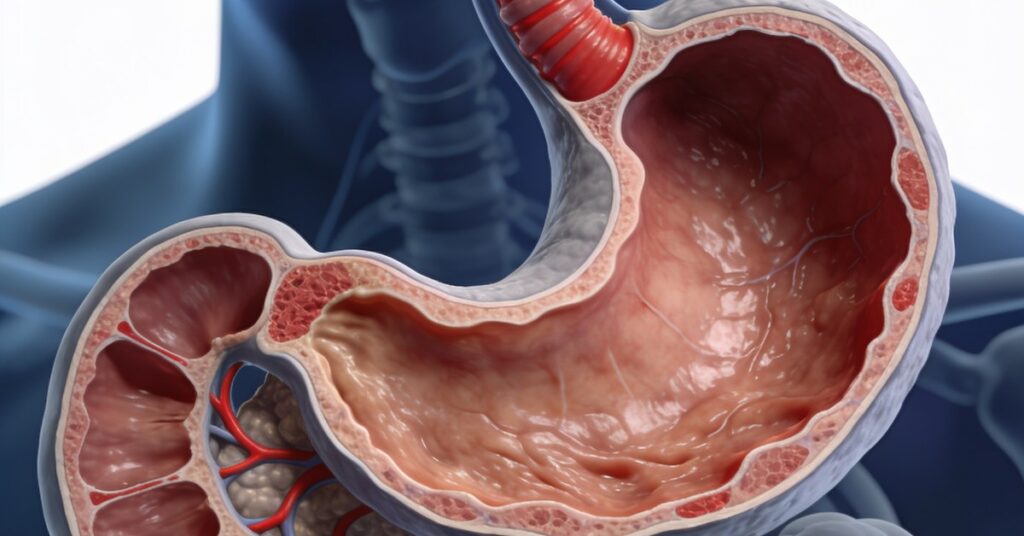
Vomiting blood is a serious health event that demands your immediate attention and a clear, composed response to protect your long-term well-being. In this article, you will gain a firm understanding of the primary Vomiting Blood Causes, learn exactly how to assess the urgency of your situation, and discover the essential steps to take to ensure you get the right medical support. By equipping yourself with these facts, you can cut through the panic and make the informed, decisive choices necessary to safeguard your health.
The most important takeaway when facing haematemesis—the medical term for vomiting blood—is that it is always a medical emergency that requires immediate professional evaluation. Whether the blood appears bright red or dark like coffee grounds, you must seek urgent care at an A&E department or by calling 999, as this symptom indicates active bleeding within your upper gastrointestinal tract. Understanding these specific Vomiting Blood Causes is not just about medical trivia; it is about knowing how to navigate a life-threatening scenario with the precision required for survival. When your body signals a crisis of this magnitude, the only rational path forward is to prioritise clinical intervention over any personal attempt at home management or hopeful waiting.
Vomiting blood causes
Vomiting blood, medically referred to as haematemesis, serves as a distressing sign indicating potential internal haemorrhage within the upper gastrointestinal tract. This condition is considered a medical emergency requiring swift professional evaluation. While minor specks of blood may occasionally occur, the expulsion of significant volumes of blood warrants immediate clinical attention.
Primary triggers of haematemesis
Various health complications may lead to the discharge of blood in vomit. Understanding these origins is vital for identifying the severity of the situation:
- Peptic ulcers: These are open sores that develop on the interior lining of the stomach or the upper section of the small intestine.
- Oesophageal conditions: Severe acid reflux or inflammation (oesophagitis) can erode the lining, while forceful or persistent vomiting may result in mucosal tears, known as Mallory-Weiss tears.
- Varices: Distended or ruptured veins located in the oesophagus, which are frequently associated with underlying chronic liver disease.
- Gastritis: This involves the inflammation of the stomach lining, which can turn haemorrhagic in severe instances.
Distinction between haematemesis and haemoptysis
It is important to differentiate between vomiting blood and coughing up blood. Haematemesis specifically involves blood originating from the digestive system, whereas haemoptysis refers to blood brought up from the respiratory tract or lungs through coughing.
When to prioritise emergency assistance
Vomiting blood should never be dismissed. You must seek urgent medical help via emergency services if you or another individual experiences this symptom, especially if accompanied by:
- Dizziness, light-headedness, or feeling faint.
- Shortness of breath or difficulty breathing.
- Signs of shock, such as a rapid heart rate or pale, clammy skin.
- Acute abdominal pain or feeling generally unwell.
Given the potential for serious internal bleeding, it is imperative to secure an assessment from a healthcare professional without delay to determine the precise cause and initiate appropriate intervention.
Taking Immediate Action and Understanding Emergency Vomiting Blood Causes
Vomiting blood is an urgent medical crisis because it often signifies a significant breach in your upper gastrointestinal tract, which includes the oesophagus, stomach, and duodenum. When you encounter this, your primary objective is to stabilise your condition and seek professional intervention, as the underlying cause may lead to severe blood loss and life-threatening complications like hypovolemic shock, which can ultimately result in organ failure. Recognising that this is a systemic emergency is the first step in protecting your vital functions.
Knowing When to Call 999 for Urgent Symptoms
You must call 999 or go to A&E immediately if you are vomiting blood and experiencing symptoms such as feeling unwell, confusion, faintness, or rapid breathing. Ever found yourself in a situation where you weren’t sure if it was 'serious enough’? Trust your gut—if you feel something is wrong, it usually is, and in this context, the stakes are simply too high to gamble with your recovery time. Being prepared means knowing the red flags that signal a transition from a manageable health issue to an immediate life threat.
- Confusion or disorientation indicating reduced oxygen to the brain.
- Cold, clammy, or pale skin showing signs of shock.
- Severe abdominal or chest pain.
- Black or tarry stools suggesting significant internal transit of blood.
- Rapid or shallow breathing as the heart struggles to compensate.
Important: Remember: Do not attempt to drive yourself to the hospital; always ask someone to drive you or call for an ambulance to ensure you receive care safely and quickly, as your focus should remain entirely on staying calm and monitoring your breathing.
If the vomiting of blood has completely stopped and you are not exhibiting any of the aforementioned severe symptoms, you should still act promptly by calling 111 or using the 111 online service to secure an urgent GP appointment. While the immediate danger may seem to have subsided, the internal cause of the bleeding remains a medical concern that must be thoroughly investigated by a healthcare provider to prevent a recurrence or further damage to your digestive system. Never assume that the cessation of outward symptoms equals a return to full health; internal erosion or vascular issues often persist below the surface.
Identifying the Physical Signs and Vomiting Blood Causes
Recognising the physical signs of internal bleeding is crucial for early detection, as your body often displays specific physiological responses when the upper gastrointestinal tract is compromised. These symptoms often include a heart rate greater than 100 beats per minute, low blood pressure, and a feeling of light-headedness or fainting, which are clear signals that your body is struggling to maintain circulation due to blood loss. By monitoring these markers, you provide medical staff with the necessary data to gauge the severity of your condition.
Interpreting the Appearance of Blood
| Appearance | What it typically indicates |
|---|---|
| Bright red blood | Fresh, active bleeding |
| Dark, granular (coffee-ground) | Blood altered by stomach acid |
| Black, tarry stools | Bleeding in the upper GI tract |
In addition to these visual cues, persistent shortness of breath is a critical indicator that blood is moving through your digestive system, necessitating an immediate clinical assessment. When you observe these changes, document them briefly so you can provide a concise history to the attending medical team; this level of preparedness is exactly what an experienced guy brings to a chaotic situation.
Common Biological and Lifestyle Vomiting Blood Causes
The causes of haematemesis are diverse, ranging from lifestyle-related habits to underlying medical conditions, with peptic ulcer disease being the most frequent culprit, accounting for approximately 36% of all cases. These ulcers often develop due to a chronic H. pylori infection or the habitual, long-term use of NSAIDs like ibuprofen and aspirin, which can erode the protective lining of your stomach and lead to bleeding. Identifying these specific Vomiting Blood Causes is essential for ensuring you receive the correct diagnostic pathway during your hospital visit.
Primary Medical and Environmental Triggers
From my own experience, maintaining a high-performance lifestyle means being smart about what you put into your body, especially when it comes to pain management. Pushing through an injury with constant painkillers might mask the discomfort, but it can wreak havoc on your stomach lining over time. True strength is knowing when to stop, rest, and seek proper medical guidance rather than masking symptoms with over-the-counter medication.
- Assess your medication usage: Are you relying too heavily on anti-inflammatories for minor aches?
- Monitor your digestive health: Keep an eye on persistent heartburn or indigestion that does not resolve.
- Consult a professional: If you have a history of liver issues or heavy alcohol use, be extra vigilant about any changes in your stool colour or energy levels.
Beyond ulcers, other significant triggers include gastritis and esophagitis, which involve inflammation of the stomach or oesophagus, as well as Mallory-Weiss syndrome, characterised by tears in the oesophagus caused by episodes of violent, repeated retching. More severe underlying health issues like cirrhosis of the liver, acute liver failure, and alcohol-related liver disease are also common contributors to this condition. Furthermore, one should be aware of less common but serious causes, including benign or malignant tumours of the stomach or oesophagus, haemophilia, the use of anticoagulant medicines, and the accidental or intentional ingestion of poisons such as corrosive acid or arsenic.
The Clinical Diagnostic Process for Vomiting Blood Causes
The diagnostic journey for someone presenting with haematemesis focuses on rapidly identifying the source of the bleed and stabilising your vital signs to prevent further deterioration. Upon arrival at a medical facility, the healthcare team will first ensure you are haemodynamically stable before employing specific tools to examine the upper gastrointestinal tract, including the oesophagus, stomach, and duodenum. This process is highly structured, and your role is to provide clear, honest information about your health history and recent symptoms.
Diagnostic Tools and Procedures
Endoscopy is the primary, gold-standard tool used by doctors to visually inspect your upper GI tract and locate the exact site of the bleeding. By using this procedure, specialists can not only confirm the diagnosis but often take immediate steps to stop the bleeding, ensuring that you receive the most effective treatment based on the specific anatomical findings discovered during the examination. It is a highly effective procedure that turns an invisible internal problem into a visible, treatable target.
Frequently Asked Questions
Does alcohol consumption directly contribute to the risk of haematemesis?
Yes, chronic alcohol consumption is a significant risk factor as it can lead to alcoholic liver disease and cirrhosis. These conditions often cause increased pressure in the veins of the oesophagus, making them prone to rupture and bleeding.
Can stress alone trigger an episode of vomiting blood?
While stress itself does not directly cause bleeding, it can exacerbate conditions like gastritis and peptic ulcers, which are primary causes of blood loss. Managing your mental well-being is a vital part of your overall physical health maintenance.
Are there any specific dietary habits that help prevent stomach lining erosion?
Maintaining a balanced diet and avoiding excessive intake of spicy foods, caffeine, and alcohol can help protect your stomach lining. If you are prone to indigestion, consult a professional about dietary adjustments that reduce gastric acid production.
How long does the recovery process typically take after an endoscopy?
Recovery depends entirely on the underlying cause found during the procedure and the treatment performed at that time. Most patients are monitored for a few hours post-procedure, but your medical team will provide a specific plan based on your unique health requirements.
Treat any instance of haematemesis as a critical health warning that requires immediate emergency care. Your safety is the priority, so never hesitate to seek urgent care to ensure the underlying cause is properly diagnosed and treated.