Persistent nighttime discomfort can significantly undermine your quality of life, affecting your focus, physical performance, and overall mental clarity. In this article, you will discover evidence-based strategies to identify the root causes of anal itching, practical steps to soothe the irritation, and clear guidance on when to seek professional medical intervention. We will walk through exactly how to prepare your body and routine to reclaim your sleep and restore your daily well-being.
To stop an itchy anus at night, you must immediately implement a strict hygiene routine involving gentle washing with plain water, applying a protective barrier cream like zinc oxide, and wearing loose cotton underwear to bed. This rapid response helps break the cycle of irritation and nocturnal scratching, allowing your skin to recover while you rest. By combining these essential physical adjustments with a conscious effort to avoid dietary triggers, most individuals can achieve significant relief within a few short days. Understanding how to stop itchy anus at night is essentially about mastering your personal environment and stopping the cycle of inflammation before it escalates into a chronic issue that keeps you awake for hours.
How to stop itchy anus at night
Effective strategies for relief
Anal itching, medically referred to as pruritus ani, can often intensify during the night, leading to significant discomfort. Breaking the cycle of irritation and scratching is essential for recovery. To manage symptoms at home, ensure the anal area remains as clean and dry as possible. After passing a stool or before going to bed, gently wash the area with warm water alone, avoiding perfumed soaps or harsh cleansers, and pat the skin completely dry with a soft towel.
Recommended home care practices
Implementing a few lifestyle adjustments can help soothe the irritation:
- Wear loose-fitting, breathable cotton underwear at night to minimise moisture buildup and sweating.
- Keep your fingernails trimmed short to prevent accidental damage to the skin should you scratch whilst asleep.
- Apply a gentle barrier cream, such as petroleum jelly or a zinc oxide ointment, to protect the sensitive skin.
- Resist the urge to scratch, as this can lead to further inflammation and potential infection.
Irritants to avoid
Certain products can exacerbate the condition. It is advisable to avoid the following:
- Scented toilet paper and personal cleansing wipes.
- Genital deodorants or body sprays.
- Bubble baths and heavily perfumed soaps.
- Spicy foods, excessive caffeine, or alcohol, which may contribute to irritation.
When to consult a healthcare professional
While many instances of anal itching are resolved through simple hygiene and self-care, persistent symptoms may indicate an underlying medical issue, such as threadworms, haemorrhoids, eczema, or fungal infections like thrush. You should book an appointment with your GP if you experience any of the following:
- Itching that persists for more than two or three weeks despite home treatment.
- Any visible rashes or noticeable changes in the texture or appearance of the skin in the anal region.
- Bleeding from the rectum.
- Significant changes in your usual bowel habits.
Identifying the Underlying Causes of Nocturnal Itching
Pinpointing the specific cause of your nocturnal discomfort is the most effective way to eliminate the problem once and for all. Many people suffer in silence, not realising that common conditions like pinworms are often the primary culprit, especially if the itching feels intense and localized. These small parasites are highly contagious and frequently cause symptoms that peak at night when the female worm leaves the anus to lay eggs, making them a top priority to rule out if you share a household. If you wake up startled by an intense, crawling sensation, parasites should be your first suspect.
Beyond parasitic infections, physical and anatomical factors play a major role in persistent anal irritation. Use the table below to quickly identify which category your symptoms might fall into, as knowing the source is half the battle in any health-related recovery plan:
| Category | Common Triggers |
|---|---|
| Infection | Pinworms (threadworms), bacterial growth |
| Dermatological | Eczema, psoriasis |
| Anatomical/Mechanical | Haemorrhoids (piles), perianal hypertrichosis, funnel-shaped opening |
| Hygiene/Moisture | Fecal residue, perianal hyperhidrosis (excess sweat) |
Often, guys overlook the simple reality of moisture buildup. Perianal hyperhidrosis, or excessive sweating, combined with a funnel-shaped anal opening, can trap moisture against the skin throughout the night. This environment is a breeding ground for bacteria and yeast, which inevitably leads to the itch. If you are physically active or prone to sweat, addressing this moisture is a critical component of your recovery.
Immediate Natural Relief for How to Stop Itchy Anus at Night
The most immediate way to find natural relief is to shift your hygiene habits toward a 'less is more’ approach, specifically by avoiding chemical irritants and mechanical friction. Ever found yourself in a similar spot where you thought scrubbing harder would help, only to make it worse? Trust me, I have been there—it is all about being gentle, as the skin in this region is incredibly delicate and reacts poorly to aggressive cleaning methods. Learning how to stop itchy anus at night starts with treating your skin like it is made of tissue paper, not sandpaper.
- Wash the area using only plain warm water or a mild, unscented soap.
- Pat the skin dry with a soft towel or cotton wool; never rub the area.
- Apply a thin layer of zinc oxide, coconut oil, or petroleum jelly to create a protective barrier.
- Wear loose-fitting cotton underwear to allow the skin to breathe.
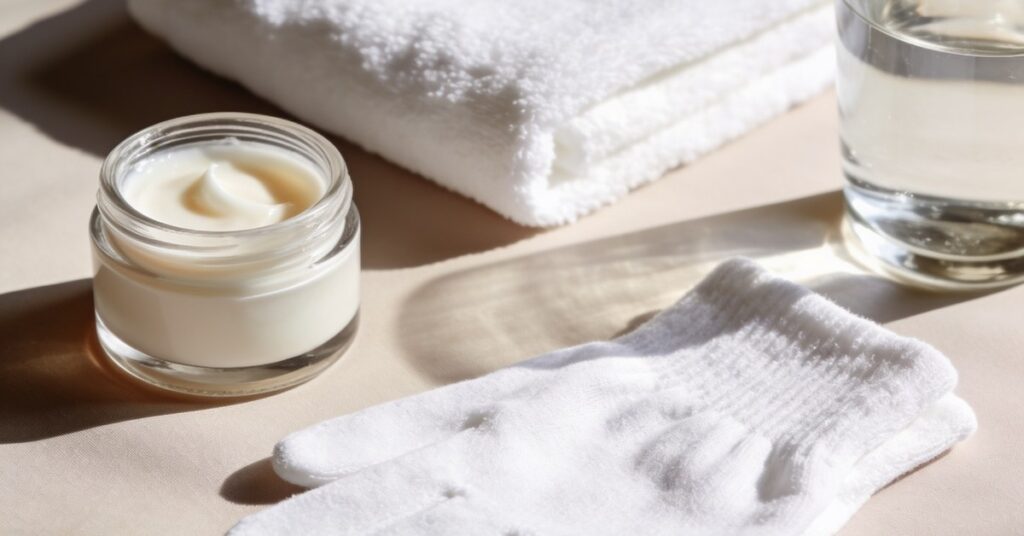
- Keep fingernails short or wear cotton gloves to bed to prevent damage from unconscious scratching.
Consistency is your best friend here. Even if you feel better after one night, keep up the routine for at least a week to ensure the skin barrier has fully repaired itself. Many guys make the mistake of stopping the barrier cream too early, only to have the irritation flare up the moment they go back to their old, less-careful habits.
Recommended Topical Treatments and How to Stop Itchy Anus at Night
The best creams for itchy anus at night are those that either provide a protective moisture barrier or offer targeted, mild anaesthetic relief. For barrier protection, products like Desitin, Balmex, and plain Vaseline are highly effective at isolating the skin from irritants. If the itching is severe, VAGISIL Medicated Crème—which contains lidocaine—can offer temporary numbing, while products like Calmoseptine are specifically designed to treat anal discomfort with a soothing, long-lasting formula that stays in place even if you toss and turn.
When dealing with inflammation caused by piles or general sensitivity, Anusol is a trusted choice, as it contains zinc oxide and bismuth subgallate to promote healing. For those who prefer to avoid active drugs, Anusol Natural Cream is a reliable steroid-free alternative. If you are struggling with piles, a hydrocortisone cream can be very effective, but you must be disciplined.
Remember: Do not use steroid-based ointments for longer than one week, as prolonged use can actually thin the skin and make the itching worse in the long run. If the condition persists past seven days, the cream is not the solution, and you are likely dealing with an underlying issue that needs a different medical approach.
Optimising Your Lifestyle to Prevent Recurrence
Stopping anal itching for the long term requires a complete lifestyle audit, starting with the foods you consume and the products you use. You should maintain a strict list of 'Do’s and Don’ts’ to keep your digestive tract happy and your skin irritation-free. It is not just about what you put on your skin, but what you put in your body that dictates your overall health metrics.
- Do: Eat a high-fibre diet (fruits, vegetables, wholegrain bread, pasta, and cereal).
- Don’t: Consume caffeine, alcohol, citrus fruits, or spicy foods.
- Don’t: Use scented soaps, bubble baths, or perfumes in the anal region.
- Do: Hot-wash all bedding and underwear regularly if you suspect pinworms.
Many guys wonder if cutting out their morning coffee or evening beer is really necessary, but from my experience, it is all about finding a sustainable balance while your body heals. If you are serious about fixing this, give your system a break from these common irritants for at least two weeks. Your gut will thank you, and your skin will reflect that internal health.
When to Seek Professional Medical Advice
You should consult a doctor if your symptoms do not improve after 3 to 4 days of consistent home treatment, or if the itching becomes so severe that it consistently affects your sleep. While many cases are manageable with home remedies, persistent symptoms can sometimes mask deeper issues that require a professional diagnosis to resolve. Do not delay in making an appointment if you notice anal bleeding, frequent stool leakage, or if the anal area appears visibly infected, as these signs require medical intervention rather than self-care.
Important: If you find that the itching actually gets worse after starting a specific cream or hygiene regimen, stop using those products immediately and seek advice. The goal of any health intervention is progress; if you are not seeing a clear improvement in your symptom duration, it is time to have a professional examine the area to rule out underlying conditions that might require prescription-strength treatment or further investigation.
Frequently Asked Questions
Can diet really cause anal itching?
Yes, diet is a significant factor in anal health. Consuming caffeine, alcohol, citrus fruits, and spicy foods can irritate the digestive system and alter stool acidity, which often leads to perianal irritation that is particularly noticeable at night.
How long should I use steroid creams?
You should limit the use of any steroid creams or ointments to a maximum of one week. Using them for longer periods can cause the skin in the anal region to become thin and fragile, which may ultimately exacerbate the itching rather than curing it.
Are cotton gloves really necessary for sleep?
While they may seem unconventional, wearing cotton gloves at night is a highly effective, practical strategy. It prevents unconscious scratching during sleep, which is often the main reason why minor skin irritation turns into a chronic, painful issue.
What if the itching is accompanied by bleeding?
Anal bleeding is a clear signal that you should stop home remedies and consult a healthcare professional immediately. It could indicate the presence of significant haemorrhoids, fissures, or other medical conditions that require a formal diagnosis and targeted clinical treatment.
Consistency in your nightly hygiene routine and the use of a protective barrier cream remain the most reliable ways to heal your skin and restore your comfort. Treat this recovery as a priority, and you will soon find the relief you need to enjoy a full, uninterrupted night of rest.