Understanding the biology of your blood is a foundational step in taking full control of your physiological performance and long-term health. In this article, you will discover the science behind Why Is The Colour Of Blood Red, learn how to distinguish between normal variations and warning signs, and gain actionable advice on optimising your iron levels for better energy. This knowledge will help you cut through the myths and empower you to make informed decisions about your body’s vital functions.
Why is the colour of blood red?
The Science Behind Crimson Blood
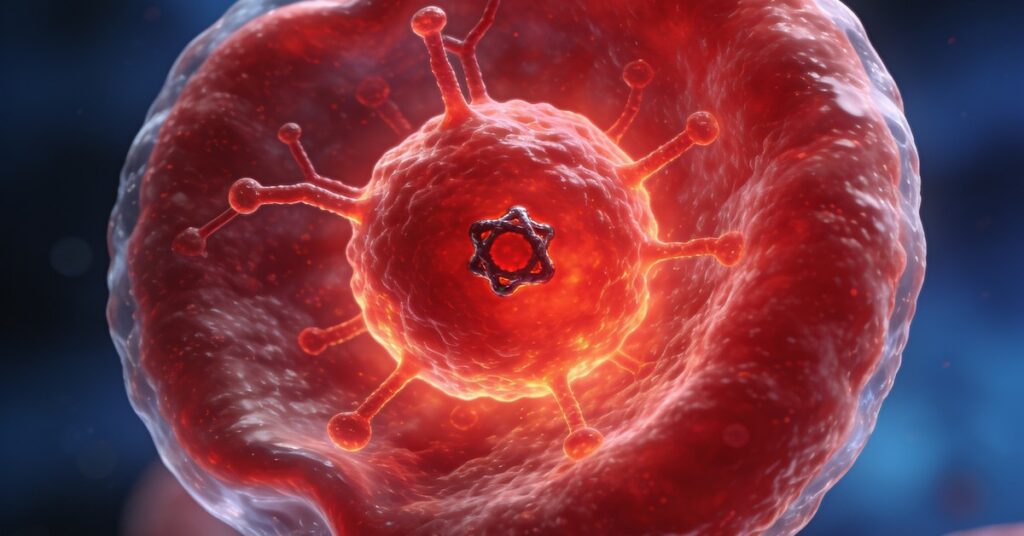
Blood possesses its characteristic red hue primarily due to haemoglobin, a complex protein found within red blood cells. At the heart of each haemoglobin molecule lies a compound known as heme, which contains an iron atom. When this iron binds with oxygen in the lungs, the molecule reflects red light, resulting in the vivid, cherry-red colour associated with oxygenated blood. As the blood travels throughout the body and distributes this oxygen to various tissues, it transitions into a deeper, darker shade of reddish-purple.
Dispelling the Blue Blood Myth
It is a prevalent misconception that deoxygenated blood is blue. In reality, human blood remains red at all times, irrespective of its oxygen saturation levels. The perception of blue or green veins beneath the skin is merely an optical illusion. This effect occurs because of how different wavelengths of light penetrate and scatter through the various layers of the skin, rather than reflecting the true colour of the blood flowing within the vessels.
Common Characteristics and Biological Factors
- Most vertebrates, including birds, reptiles, fish, and humans, possess red blood.
- The vibrant colour is a chemical result of the interaction between iron and oxygen at the atomic level.
- Haemoglobin is essential for transporting oxygen, and its structure is determined by genetic encoding.
- Genetic mutations affecting globin chains can alter the function of these proteins, demonstrating the importance of metals and precise biological structures in our physiology.
Key Components of Blood Colouration
Understanding why blood appears as it does requires a look at its primary components. Haemoglobin acts as the central mechanism; by binding oxygen molecules to its core atoms of iron, it dictates the shifting shades of red seen in arterial and venous circulation. While veins may look superficial and bluish from the outside, the blood remains steadfastly red, highlighting the fascinating way our biological systems interact with light and chemistry.
The core reason Why Is The Colour Of Blood Red
Blood is red primarily because of haemoglobin, an iron-rich protein found within your red blood cells that is specifically designed to transport oxygen throughout your body. If you have ever pondered the fundamental question of Why Is The Colour Of Blood Red, the answer lies in the molecular structure of heme, a compound within haemoglobin that houses an iron atom. Because of the way this iron-heavy structure interacts with light, haemoglobin absorbs blue-green wavelengths and reflects red-orange light, giving your blood its characteristic vibrant hue that remains consistent throughout your circulatory system.
The role of haemoglobin and iron in oxygen transport
Haemoglobin serves as the essential internal delivery system for your body, with red blood cells accounting for 45% of your total blood volume, while the remaining 55% is liquid plasma. This protein is composed of four distinct protein chains, and it functions by binding oxygen in the lungs to distribute it to every tissue that requires energy to perform, whether you are pushing through a heavy lifting session or simply focusing on daily tasks. The structural integrity of these four chains is vital for maintaining the efficiency of your circulatory system and ensuring your organs receive the oxygen they need to function optimally.
How iron powers your energy
Iron is the unsung hero of your physical performance because it provides the chemical foundation for oxygen attachment within the haemoglobin molecule. When iron interacts with oxygen, the process is chemically similar to rusting, which is why your iron levels are a direct proxy for your aerobic capacity and overall vitality. To keep your system running at its peak, the NHS recommends that haemoglobin levels should be at least 125g/l for women and 135g/l for men; keeping these markers in check is one of the most practical ways to avoid the fatigue that often plagues those with lower iron stores.
Oxygen levels and the spectrum of red
The specific shade of red your blood exhibits is determined by how much oxygen is currently bound to the iron atoms within your haemoglobin. When oxygen binds to the heme compound, it physically alters the shape of the haemoglobin molecule, which changes how that protein reflects light and causes the blood to appear as a bright, vibrant scarlet red. Conversely, when that oxygen is released into your tissues, the deoxygenated haemoglobin reflects light differently, resulting in a darker, muddy red shade often described as brick red or dark burgundy. Investigating Why Is The Colour Of Blood Red reveals that your body is constantly modulating its internal chemistry to match the metabolic demands of your activities, from high-intensity interval training to deep, restorative sleep.
Determining the shade of red
You can view arterial blood as the high-performance fuel of your body, which appears bright cherry-red due to its high oxygen content. Venous blood, which has already delivered its oxygen load to your muscles and organs, appears as a darker, deeper shade of red due to this oxygen depletion. While your blood is always red regardless of its oxygenation state, these subtle shifts in hue are a natural, healthy part of your circulatory cycle and are not indicative of any illness.
The optical illusion of blue veins
Veins appear blue to the naked eye because of an optical illusion caused by Rayleigh scattering and the way different wavelengths of light are absorbed by your skin tissue. While the blood inside your veins is simply a darker, deoxygenated shade of red, skin scatters more blue light than it does red light, which tricks your brain into perceiving a bluish tint when you look at your wrists or hands. Ever found yourself in a similar spot, wondering why your veins look like a roadmap of the Mediterranean despite your blood being bright red?
Environmental factors and light perception
External conditions can significantly impact how you perceive the colour of your blood, such as when you are swimming; at a depth of 30 feet underwater, red light is naturally filtered out by the water, which can cause blood to appear green. Furthermore, specific chemical anomalies can change the appearance of blood, such as methemoglobin (Fe 3+), which makes blood look chocolate-brown, or sulfhemoglobin, which can cause a green appearance. These are rare medical states, but they serve as a reminder that the interaction between light and blood chemistry is highly sensitive.
Biological diversity: blood colours in nature
While human blood is defined by iron-based haemoglobin, many other species have evolved entirely different transport systems that result in different colours. The following table summarises how different creatures handle oxygen transport, further clarifying Why Is The Colour Of Blood Red in humans compared to the varied chemistry of the animal kingdom:
| Species | Blood Colour | Transport Protein |
|---|---|---|
| Humans | Red | Haemoglobin (Iron) |
| Octopuses/Crabs | Blue | Hemocyanin (Copper) |
| New Guinean Lizards | Green | Biliverdin (Pigment) |
Practical tips for optimising your iron intake
Maintaining a healthy iron balance is a practical lifestyle habit that directly influences your energy levels and mental clarity. You have roughly 4–5 grams of total iron in your body, and because your body cannot produce this mineral, you must source it through your diet to support the continuous production of healthy haemoglobin.
Remember: Carbon monoxide is a hidden danger, as it binds to heme with a bond approximately 200 times stronger than oxygen, effectively displacing it and starving your tissues of the oxygen they need to function.
Nutrition and absorption strategies
To keep your iron levels optimal, follow this simple process to ensure you are actually absorbing the nutrients you consume:
- Prioritise iron-rich whole foods like lean meats, lentils, and spinach.
- Enjoy dark chocolate in moderation as a secondary iron source, but don’t overdo it.
- Avoid drinking tea or coffee within an hour of your meals, as the tannins can block iron absorption.
Many guys wonder if they should just pop a pill to fix low energy, but from my experience, getting your nutrition right first is the only sustainable way to keep your haemoglobin levels in the ideal range for peak performance.
Frequently Asked Questions
Does temperature affect the colour of my blood?
No, temperature does not directly change the intrinsic colour of your blood. The colour shifts you observe are purely a result of oxygen saturation levels within the haemoglobin molecule, regardless of your body temperature.
Can intense exercise make my blood look different?
Yes, intense exercise increases the rate at which your muscles extract oxygen from your blood. This results in a higher proportion of deoxygenated blood returning to your heart, which may appear slightly darker than blood at rest.
Are there any external pollutants that can alter blood colour?
Yes, exposure to toxic gases like carbon monoxide can significantly alter blood appearance. It binds to the iron in your blood and can cause it to turn a bright, cherry-red colour, which is a dangerous sign of poisoning.
Is it normal for veins to look darker at night?
Yes, the perception of vein colour changes based on ambient lighting conditions. Since the blue appearance is an optical illusion caused by light scattering, lower or different light spectrums at night will change how your eyes perceive the skin and the veins beneath.
Managing your iron intake through smart dietary choices is the most effective way to ensure your blood remains a vibrant, oxygen-rich red. Prioritise whole foods and avoid tannin-heavy beverages near meal times to maintain the high-quality haemoglobin levels required for your sustained daily vitality.