Distinguishing between a simple bruise and a serious blood clot is a vital skill for anyone committed to maintaining their physical health and long-term performance. In this article, you will learn the critical signs that differentiate a common injury from a medical emergency, helping you know exactly when to act and how to prepare for a safe recovery. With the right information, you can take control of your health and navigate these physical challenges with confidence and clarity.
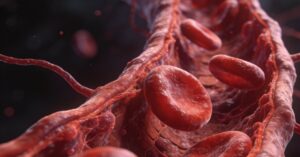
The most important distinction to grasp is that a bruise is a superficial collection of blood leaking into tissue due to trauma, whereas a blood clot is a dangerous, semisolid mass trapped inside a vessel. While a bruise is a localized response to impact that follows a predictable healing timeline, a blood clot represents an abnormal clumping of blood that requires immediate clinical attention. Understanding the nuances of Bruises And Blood Clots is the difference between nursing a minor injury at home and preventing a potentially life-threatening vascular event.
Bruises and blood clots
Distinguishing between bruises and thrombosis
Bruises are the result of small blood vessels rupturing and leaking fluid beneath the surface of the skin. Conversely, blood clots represent semi-solid clusters that develop within arteries or veins. It is vital to differentiate between the two, as severe conditions such as deep vein thrombosis (DVT) necessitate swift clinical intervention to mitigate the risk of serious complications, including stroke or pulmonary embolism.
Understanding the nature of bruises
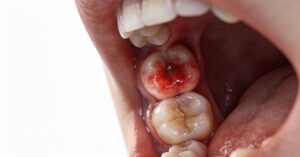
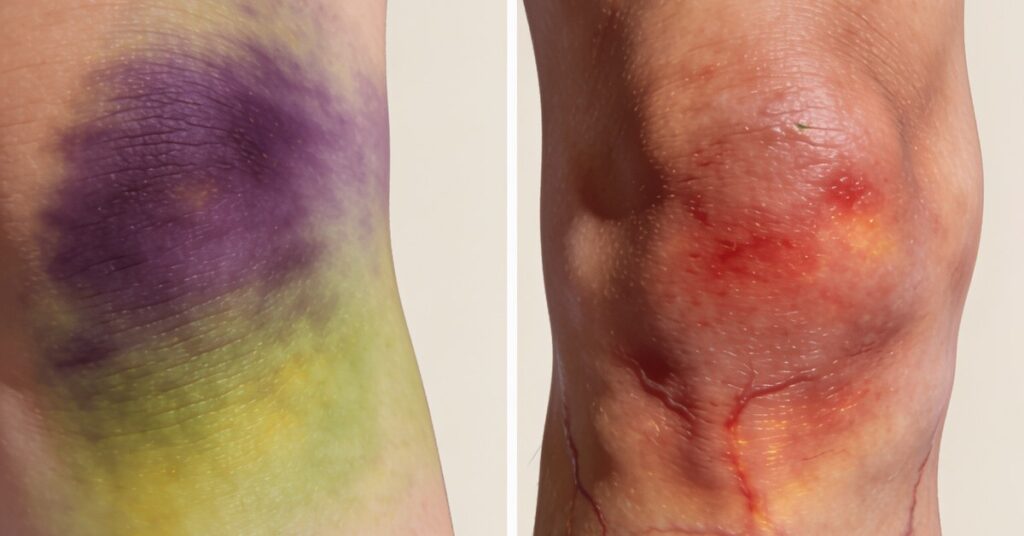
Often occurring after a physical impact, such as a fall or striking an object, the majority of bruises are benign. While blood naturally coagulates within a bruise to arrest minor internal bleeding, this process is superficial and typically resolves without intervention. A standard bruise passes through various colour phases—including blue, green, and yellow—as it fades over several weeks.
Identifying potential warning signs of blood clots
A dangerous blood clot often presents differently than a common bruise. While a bruise will typically fade over time, a harmful clot may remain consistently red, tender, swollen, and warm to the touch. You should exercise caution and seek professional medical guidance if you notice these physiological changes.
Key indicators of a dangerous clot
Recognising signs that require immediate expert evaluation is crucial for patient safety. Symptoms that warrant urgent medical investigation include:
- Persistent or unexplained swelling in a limb.
- localised heat or a sensation of warmth in specific areas of the skin.
- Unusual tenderness or pain that does not stem from a known injury.
- Sudden difficulties with speech or blurred vision, which may indicate a clot in the brain.
When to seek professional medical advice
If you experience frequent, severe, or entirely unexplained bruising, it is advisable to consult your general practitioner or a vascular specialist, as this could suggest an underlying haematological condition. Always consider whether you are experiencing unusual bleeding in multiple areas of your body.
Urgent medical response
If you suspect a blood clot, do not delay in seeking help.Utilise NHS 111 Online to assess your symptoms and determine if urgent professional care is required. Should you be located outside the United Kingdom, contact your local emergency services or primary care physician immediately. Timely assessment is essential; seeking medical advice for persistent symptoms is never a waste of healthcare resources.
Identifying the Difference Between Bruises And Blood Clots
You can identify the difference by observing the healing timeline and the physical texture of the affected area. Bruises are caused by impact to capillaries and typically heal within one to two weeks, transitioning through a range of colours including purple, green, and yellow. A blood clot, however, feels firm to the touch and warm, often causing persistent, cramp-like pain that worsens over time rather than improving.
| Feature | Bruise | Blood Clot (DVT) |
|---|---|---|
| Symptom duration | 1-2 weeks | Persistent/Worsening |
| Texture | Soft/Tender | Firm/Warm |
| Colour | Purple, Green, Yellow | Red/Darkened |
Visual and Physical Distinctions
Bruises are strictly collections of blood leaking into surrounding tissue, which is why they fade gradually as the body reabsorbs the blood. In contrast, blood clots are semisolid masses trapped inside a vessel, which explains why they do not follow the standard colour-changing progression of a bruise, often remaining a persistent red or darkened shade. Ever found yourself staring at a mystery mark on your leg, wondering if you just bumped into a door frame or if something is actually wrong? Many guys tend to brush off these marks as mere battle scars from the gym, but understanding the biological reality of Bruises And Blood Clots is essential for keeping your training on track.
Diagnostic Symptoms Of Blood Clots Versus Bruises
The primary diagnostic sign of a blood clot is that it causes significant swelling in an entire limb, such as the calf or thigh, rather than remaining localized to the point of impact. If you notice severe, throbbing pain that does not subside, or skin that feels unusually warm to the touch, you must consider the possibility of Deep Vein Thrombosis.
Recognising Potential Deep Vein Thrombosis
Deep Vein Thrombosis pain is distinctively severe and often described as a deep, persistent cramp that makes movement difficult. While a bruise’s pain is generally mild to moderate and improves steadily as the days pass, any bruise that is still present or painful after two weeks is a red flag that requires a professional medical assessment to rule out a clot. Think of your body as a high-performance machine; if a component is showing signs of distress that do not fade with rest, you need to get it checked by a professional before the systemic issue escalates.
When To See A Doctor For Bruises And Blood Clots
You must seek immediate medical attention if you experience new, unexplained pain or swelling, or if you notice your symptoms are not getting better as expected. Research shows that minor injuries are the catalyst for approximately 1 in 13 blood clots, meaning you should never dismiss a lingering injury simply because you cannot remember a specific, major trauma.
Remember: If you are currently taking medications to thin your blood or stop clotting, you must seek medical advice whenever you notice unexplained or easy bruising, as this may indicate your medication dosage needs adjustment.
Emergency Protocols And Professional Consultation
- Call 999: If a clot breaks loose or you experience symptoms of a pulmonary embolism (e.g., sudden chest pain or shortness of breath).
- Go to A&E: If you encounter severe leg pain, excessive warmth, or skin discoloration.
- Call 111: For new, unexplained pain or swelling that is not an immediate emergency.
Causes Of Unexplained Bruising And Blood Clots
Unexplained bruising or the sudden formation of blood clots can often be traced back to nutritional deficiencies or underlying vascular conditions. Deficiencies in Vitamin B12, Vitamin K, or Vitamin C can compromise your vascular integrity, while conditions like Von Willebrand Disease, or the presence of varicose and spider veins, create the perfect environment for abnormal blood issues to arise.
Potential Contributing Factors
When your body lacks essential vitamins, your blood-clotting mechanisms and capillary strength are directly impacted. Varicose and spider veins act as structural liabilities in your circulatory system, increasing the likelihood of blood pooling and clotting. If you find yourself bruising for no apparent reason, it is a clear signal that your body is struggling with a systemic issue that goes beyond simple physical exertion or accidental bumps.
Treatment Options For Bruises And Blood Clots
The treatment for a bruise is focused on comfort and inflammation reduction, while the treatment for a blood clot is focused on medical intervention to prevent migration. For a standard bruise, you should employ the R.I.C.E. protocol to get back on your feet faster:
- Rest: Give the tissue time to recover without further strain.
- Ice: Apply for 10-20 minutes to reduce swelling.
- Compression: Use a light bandage to support the area.
- Elevation: Keep the limb raised to help drain fluid.
Managing Recovery At Home And Clinically
If a doctor diagnoses a blood clot via an ultrasound, the approach shifts to clinical management using anticoagulant medications, commonly known as blood thinners. Patients may also be prescribed compression stockings to assist with circulation and reduce swelling in the affected limb. In more complex cases where a patient is unable to tolerate blood thinners, a specialist may recommend the placement of a Vena Cava filter to prevent clots from travelling to the lungs, representing a significant medical step to ensure your long-term health and safety.
Frequently Asked Questions
Does dehydration increase the risk of developing a blood clot?
Yes, significant dehydration can lead to thicker, more concentrated blood, which may increase the risk of clot formation. Maintaining adequate fluid intake is a simple yet effective lifestyle habit for supporting healthy circulation.
Can smoking contribute to the formation of blood clots?
Smoking damages the lining of your blood vessels and increases the likelihood of blood cells clumping together. Quitting smoking is one of the most impactful decisions you can make to improve your vascular health and reduce long-term risks.
Are compression stockings effective for all types of leg swelling?
Compression stockings are primarily used for managing venous insufficiency and DVT under medical guidance, but they are not a cure-all for every type of swelling. Always consult your GP to determine the exact cause of your leg swelling before starting compression therapy.
How does physical activity help in preventing blood clots?
Regular movement and exercise help stimulate blood flow in the legs, preventing the blood from pooling and stagnating in the veins. If you have a sedentary job, taking short, frequent walks can significantly lower your risk of clot development over time.
If a bruise persists beyond two weeks or feels uncharacteristically firm and warm, please prioritise a professional medical assessment to rule out a potentially dangerous blood clot. Your health is your greatest asset, so listen to your body and never hesitate to seek expert help when something does not feel right.