A persistent blemish on your lip is more than just a minor irritation; it is a distraction that impacts your confidence and disrupts your focus on your daily health and fitness goals. In this guide, I will walk you through the essential steps to identify, treat, and prevent these breakouts using proven, reliable methods that put you back in control of your skin. You will learn exactly how to distinguish between common spots and viral issues, ensuring you take the most effective action to get back to your peak form.
How to get rid of pimple on lip
Effective strategies for managing lip spots
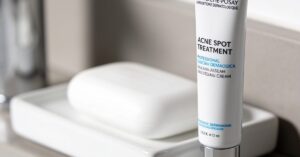
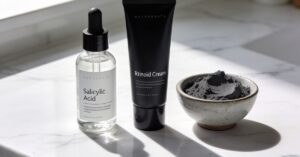
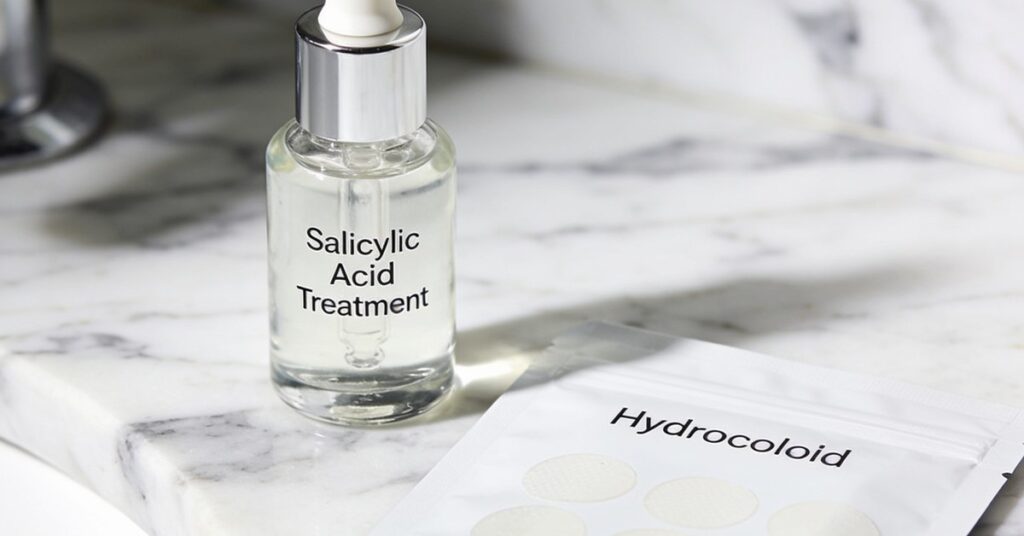
Dealing with a blemish on your lip can be bothersome. To address it promptly, start by cleansing the local area with a gentle wash. Applying a warm compress for ten minutes helps to unclog the pore. Afterwards, you might apply a spot treatment featuring either salicylic acid or benzoyl peroxide at a concentration of 2.5% to 5%. Alternatively, covering the spot with a hydrocolloid sticker before going to sleep can be very efficient.
Prevention and skincare routines
Consistency is key to stop spots from appearing above or on the lip. Ensure you cleanse your upper lip area twice every day with lukewarm water. Incorporating non-comedogenic lip care products and managing daily stress levels may also lower the probability of future breakouts. Furthermore, introducing an acne-fighting retinoid, such as adapalene, into your nightly routine can help maintain clear skin.
Home remedies and soothing techniques
- Use warm or cold compresses: A warm, damp cloth helps soften blockages, while cold applications can assist in reducing redness and swelling.
- Steam your face: Weekly facial steaming can effectively open up pores.
- Tea tree oil: Science suggests that preparations containing this oil may reduce inflammation and help manage acne.
- Castor oil: Known for its moisturising properties, it may assist in calming the affected area.
- Lemon juice: Some find that applying a small amount of lemon juice can assist with hormonal spots, though use caution as it can be drying.
Differentiating between a pimple and a cold sore
It is vital to confirm that the bump is actually a pimple and not a cold sore, as they require distinct approaches. Pimples generally feature a singular white, pus-filled centre and appear without warning. Conversely, cold sores often begin with a burning or tingling sensation and manifest as clusters of liquid-filled blisters. Cold sores are treated with antiviral creams or prescribed tablets like acyclovir.
Professional advice
If you find that blemishes are persistent, cystic, or spreading rapidly, you should seek guidance from your GP or a consulting dermatologist. A skincare specialist can provide professional-grade acne treatments tailored to your specific needs. Do not hesitate to prioritise your skin health if home remedies do not provide the relief you require.
Additional skincare tips
When using salicylic acid, it is often recommended to use it twice weekly in conjunction with niacinamide to help soothe the skin. Always ensure that the cleansers and moisturisers you use are formulated to be non-comedogenic to prevent further pore blockages around the lip line, where the skin is particularly delicate.
The Immediate Solution for How To Get Rid Of Pimple On Lip
To understand how to get rid of pimple on lip quickly, you should prioritise a targeted spot treatment containing benzoyl peroxide or salicylic acid, applied directly to the blemish while avoiding the surrounding oral mucosa. This approach works by neutralising bacteria and exfoliating dead skin cells that clog the follicle, allowing the bump to subside within a few days. For those who find these treatments too drying, using a hydrocolloid patch is a highly effective way to extract impurities and protect the area from further contamination, which is essential for maintaining your composure during a busy day of training or professional commitments. While it is tempting to squeeze the blemish, doing so only serves to push bacteria deeper into the pore, potentially causing a much larger infection that could leave a permanent scar. Consistency is your greatest ally here; applying a treatment once is rarely enough, so stick to a regimen of twice-daily applications until the inflammation has completely subsided and your skin texture returns to normal.
Identifying The Causes Of Pimples On The Lip Area
Understanding why you have a breakout is the first step toward long-term skin health, as these spots are almost always triggered by specific environmental or internal factors. Clogged pores or hair follicles at the lip border are frequently caused by poor hygiene after eating, which allows oils and food particles to sit on the skin, or through bacterial buildup from touching your face throughout the day. It is also common for hormonal fluctuations—whether from puberty, menstrual cycles, pregnancy, or high levels of daily physical and psychological stress—to manifest as breakouts in this sensitive region. When you are pushing your body to the limit, whether through intense weightlifting or demanding work projects, your cortisol levels can spike, which directly influences your sebum production and can lead to these unexpected visitors on your lip line.
Beyond internal biology, your environment plays a massive role in skin clarity. Many men unknowingly sabotage their skin by using lip balms or lipsticks containing comedogenic ingredients that block pores, or by using harsh toothpaste ingredients that irritate the delicate skin around the mouth. Furthermore, certain irritating foods can cause localized inflammation, making it vital to monitor what you consume if you notice recurring issues in the perioral area. If you are serious about your physical health, you must treat your skin with the same rigor you apply to your gym programming; identifying the specific trigger—be it a new supplement, a change in diet, or a specific brand of shaving cream—is the only way to ensure these breakouts do not become a chronic issue that undermines your daily confidence.
How To Tell The Difference Between A Pimple And A Cold Sore
The most reliable way to tell the difference is by observing the sensation and the growth pattern, as cold sores are caused by the herpes simplex virus (HSV-1) and require a completely different medical approach than a standard pimple. Ever found yourself staring in the mirror wondering if that bump is just a spot or something more annoying? Knowing how to get rid of pimple on lip is only useful if you are actually treating a pimple and not a viral infection. Cold sores typically last 7–14 days and are often preceded by a distinct tingling, burning, or itching sensation, whereas a standard pimple is simply a red bump that may develop a white, yellow, or black head without the viral prodrome. Because cold sores form clusters of fluid-filled blisters that eventually rupture and ooze clear fluid, they are highly contagious, unlike common acne which is not.
| Feature | Pimple | Cold Sore (HSV-1) |
|---|---|---|
| Sensation | Usually pressure or mild pain | Tingling, burning, or itching |
| Appearance | Red bump with a head | Clusters of fluid-filled blisters |
| Contagion | Not contagious | Highly contagious |
| Typical Duration | A few days | 7–14 days |
Recognising this distinction is critical for your health strategy, as HSV-1 affects over 65% of the global population and requires specific antiviral management rather than acne medication. If you notice the characteristic fluid-filled clusters or the tell-tale burning sensation, you must avoid touching the area to prevent spreading the virus to your eyes or other parts of your face. Treating a viral outbreak as if it were a simple pimple will not only fail to fix the issue but may prolong the healing process and increase the risk of transmission to others. If you suspect a viral cause, skip the salicylic acid and consult a professional immediately to obtain the correct antiviral medication, which is the only proven way to effectively shorten the duration of an HSV-1 outbreak.
Best Over The Counter Treatments And Natural Remedies
You can effectively manage most lip pimples using a combination of clinical-grade over-the-counter treatments and gentle, natural home remedies. For clinical intervention, benzoyl peroxide, salicylic acid, and azelaic acid are the primary tools for reducing bacterial load and inflammation, while topical retinoids, Differin gel, Differin cream, or topical antibiotics can be utilised for more stubborn cases. These products are designed to penetrate the follicle and address the root cause of the blockage, providing a structured way to handle skin issues without relying on guesswork. If you prefer a more holistic approach to complement your routine, consider these natural steps:
- Apply a cold compress for 10 to 15 minutes to reduce inflammation and soothe the skin.
- Use a cotton swab to apply diluted tea tree oil, which provides natural antimicrobial properties without the harshness of synthetic chemicals.
- Apply raw honey or aloe vera gel to promote healing and provide a protective barrier against external irritants.
- Use a small amount of turmeric paste or castor oil to calm the redness and support the skin’s natural barrier.
Important: Always patch test natural remedies on a small area of skin first; just because it is natural does not mean it cannot irritate your face if your skin is sensitive. Balancing these natural remedies with your regular hygiene routine is the most sustainable path forward, especially when you are trying to keep your skin clear while maintaining a busy lifestyle. Many guys wonder if cutting out carbs completely is the way to clear skin, but from my experience, it is all about finding a sustainable balance; the same logic applies to your skincare—over-treating the area with every product in your cabinet will only lead to further irritation and dryness.
How To Prevent Pimples On The Lip Line
Preventing future breakouts requires a consistent hygiene and skincare protocol that removes potential irritants before they have the chance to clog your pores. I’ve learned the hard way that leaving toothpaste residue on your skin after a rushed morning brush is a recipe for a breakout by lunchtime. To master how to get rid of pimple on lip once and for all, you must treat your face with the same level of discipline you bring to your morning workout. Follow this checklist to keep your skin in check and stay ahead of the game:
- Cleanse your mouth area twice daily with a gentle, non-comedogenic cleanser.
- Wipe off toothpaste residue immediately after brushing to prevent chemical irritation.
- Remove oily food residue after eating to keep the pores around your mouth clear.
- Stick to non-comedogenic labelled products to ensure you aren’t clogging your skin while trying to moisturise.
- Avoid lip balms containing coconut oil, which is a common culprit for causing perioral breakouts.
- Consult a dermatologist for prescription retinoids if you suspect that your issues are related to persistent perioral dermatitis.
In addition to maintaining cleanliness, stay proactive by keeping spot treatments containing benzoyl peroxide or salicylic acid on hand to neutralise potential bumps before they fully form. If you find that you are frequently struggling with irritation, it may be time to stop using heavy occlusives like Vaseline or Aquaphor around the lip area, as these can trap bacteria and dirt against the skin. Should you suspect that your skin issues are related to a deeper dermatological condition, consult a professional to discuss prescription options, ensuring that your skin management plan is as disciplined as your training regimen.
When To See A Doctor For A Pimple On The Lip
You should seek professional medical advice if a bump does not heal within 1 to 2 weeks or if the issue keeps recurring in the exact same spot, as this may indicate an underlying condition requiring expert diagnosis. Seek immediate medical attention if you notice rapidly spreading redness, bleeding that will not stop, a fever, or difficulty breathing, as these can be signs of a more serious infection. Furthermore, if you suspect a cold sore, talk to a doctor to perform a lab test to confirm the presence of the herpes simplex virus.
Consult a dentist if the bump is located inside the mouth or on the mucous membrane, as these areas require specialised care that a general practitioner might not be equipped for. For bumps on the vermilion border that simply do not improve with over-the-counter remedies, a general practitioner or dermatologist is the right person to see. Finally, consult a healthcare professional if you believe you have a cold sore that is causing severe itching, burning, swollen glands, or a fever; managing these symptoms early is essential for your long-term health and preventing the spread of the virus to other areas of your body or to other people.
Frequently Asked Questions
Can wearing a face mask contribute to lip breakouts?
Yes, wearing a mask can trap moisture, sweat, and bacteria against your skin, a condition often referred to as maskne. To mitigate this, ensure you clean your face thoroughly after removing your mask and consider using non-comedogenic skincare products.
Are there specific foods I should avoid if I have frequent lip breakouts?
While food triggers vary by individual, some people find that highly processed, sugary, or greasy foods contribute to increased inflammation. Keeping a simple food diary can help you identify if specific items appear to correlate with your breakout cycles.
Can I use makeup to cover a pimple on my lip?
You can use non-comedogenic concealer to cover a blemish, but ensure you apply it with clean tools to avoid further irritation. Be sure to remove all makeup completely before going to bed to allow your skin to breathe and recover overnight.
Is it possible that my shaving routine is causing these pimples?
Yes, using a dull razor, harsh shaving creams, or failing to clean your shaving equipment can lead to irritation and ingrown hairs that mimic pimples. Switch to a sharp, clean razor and use a soothing, alcohol-free post-shave balm to keep the skin around your lips healthy.
Maintaining a consistent hygiene routine is the most effective way to prevent future breakouts and keep your skin in peak condition. Focus on using non-comedogenic products and treating blemishes early with targeted ingredients like benzoyl peroxide to ensure you stay ahead of any skin issues.