Achieving clear skin is a vital part of your overall physical confidence and health, yet many of us fall into the trap of believing that a summer tan is the ultimate solution for persistent breakouts. In this guide, I will cut through the myths surrounding sun exposure and acne to provide you with the evidence-based facts you need to protect your skin effectively. You will learn exactly why the sun often makes acne worse in the long run and how to adjust your daily routine to stay protected while pursuing your fitness and health goals.
The short answer to the common query, does sun help pimples, is a definitive no: sunlight does not help clear up acne, and relying on it as a treatment is a dangerous misconception. While you might notice a temporary drying effect or a masking of redness, the sun actually triggers biological processes that lead to more severe breakouts, permanent skin damage, and a higher risk of long-term scarring.
Does sun help pimples?
The Myth of Sunlight as an Acne Treatment
There is a widespread misconception that exposure to sunlight is an effective remedy for acne. While ultraviolet (UV) rays may appear to dry out existing spots and diminish inflammation in the short term, this relief is merely superficial and temporary.
The Rebound Effect
When the skin is exposed to excessive UV radiation, it reacts by thickening and producing an excess of sebum to compensate for the induced dryness. This reaction ultimately clogs pores and leads to a more severe breakout later on, a phenomenon commonly known as the rebound effect. Consequently, the acne persists and often worsens.
Long-Term Damage and Scarring
Relying on the sun to manage breakouts is counterproductive. Extended sun exposure carries significant risks, including:
- The darkening of acne scars and the formation of persistent dark spots.
- Premature skin ageing and cellular damage.
- A false sense of improvement, while the underlying inflammatory condition continues to thrive.
Managing Acne in the Sun
Dermatologists strongly advise against using sun exposure as a treatment method. Instead, maintaining an effective skincare routine is essential for those with acne-prone skin. Consider the following recommendations:
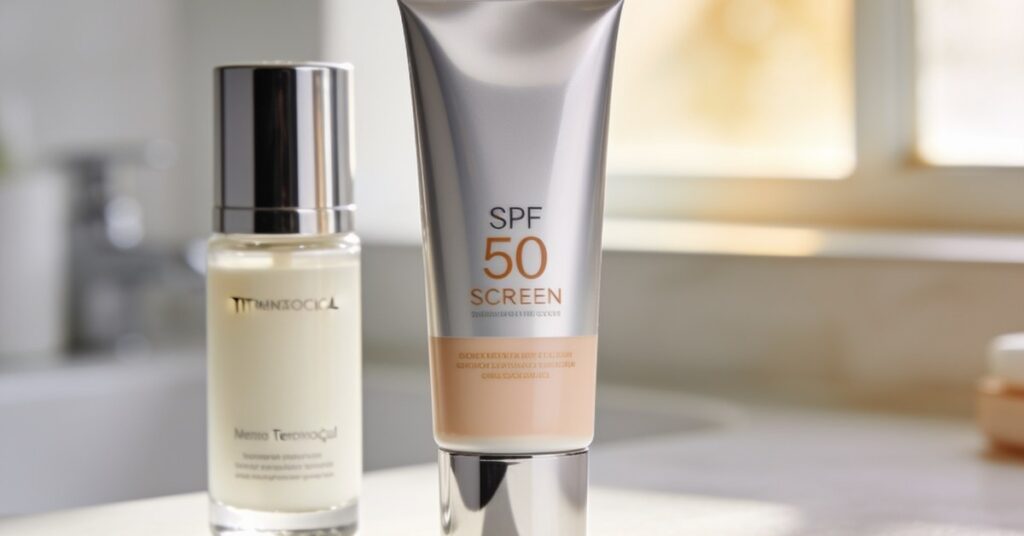
- Apply a daily, oil-free, non-comedogenic sunscreen with at least SPF 30 to protect against UV damage without clogging your pores.
- Limit time spent in direct sunlight, especially during peak hours.
- Understand that acne is an inflammatory condition triggered by clogged follicles, which cannot be cured by UV rays.
Key Takeaways for Skin Health
While synthesising vitamin D is a benefit of sensible sun exposure, it should not be confused with acne management. Sunlight does not effectively eliminate the bacteria responsible for acne. Prioritising sun protection remains the most reliable strategy to prevent scarring and maintain clear, healthy skin.
Why Sunlight Is Not a Proven Treatment for Acne and Bacteria
Sunlight is not a proven medical treatment for acne, nor does it possess the ability to eliminate the specific bacteria that contribute to breakouts. Many people mistakenly believe that the sun 'dries out’ their skin, but this is a superficial observation that masks the reality of what is happening beneath the surface. Dermatologists strongly advise against using natural sunlight or tanning beds as a method to manage acne, as there is absolutely no clinical evidence to suggest that it provides any lasting improvement for your complexion. When you ask yourself, does sun help pimples, you must look past the immediate aesthetic change and consider the structural health of your dermis.
The Biological Mechanism Behind UV Rays and Acne Breakouts
Sun exposure causes a delayed acne rebound effect because your skin’s natural response to UV radiation is to protect itself through thickening and increased oil production. When you spend time in the sun, your epidermis thickens as a defensive measure, which unfortunately traps dead skin cells and excess oil deep within your pores. This process, known as hyperkeratinisation, essentially creates a closed environment where bacteria can thrive, leading to the development of blackheads and microcysts that appear long after you have returned from the beach.
How UV Rays Disrupt Pore Function and Sebum Production
UV rays stimulate your sebaceous glands to enter an overactive state, resulting in a surge of sebum production following the initial drying phase caused by heat. This excessive oil production is the primary catalyst for new, stubborn breakouts. Furthermore, the constant exposure to UV light hardens the skin cells, making it much more difficult for your pores to shed debris naturally, which directly contributes to the formation of acne-like lesions.
Environmental Factors and Bacterial Proliferation
The heat generated by the sun causes you to sweat, which creates a humid and warm environment that is ideal for the rapid proliferation of acne-associated bacteria. In addition to general breakouts, intense UV exposure can trigger a specific condition known as Acne Aestivalis, often referred to as 'mallorca acne,’ which is a reaction that causes small, itchy bumps to appear on the skin. This cycle of heat, sweat, and UV-induced inflammation is a recipe for disaster if you are trying to maintain clear, healthy skin.
Does Sun Damage Worsen Acne Scars and Hyperpigmentation
UV radiation is the primary cause of worsening post-inflammatory hyperpigmentation (PIH), effectively locking in those dark spots that remain after a pimple has healed. When your skin is exposed to the sun, it stimulates melanocytes to produce excess pigment, which darkens your acne marks and makes them significantly more prominent. Furthermore, UVB rays can exacerbate existing acne lesions and actively damage your skin’s long-term health by reducing collagen production, which is the very protein required to repair and smooth out your complexion.
Prolonged exposure to UV light can fix deep acne scars beyond your skin’s natural renewal capacity, turning temporary marks into permanent textures. If you are struggling with significant scarring or persistent pigmentation, it is wise to consult with professionals who can offer clinical solutions like microdermabrasion. For expert advice, you can reach out to the team at Skyclinic Birmingham on 0121 4545 098 or contact Skyclinic Windsor on 01753 378866.
Is It Safe to Use Acne Medication While in the Sun
It is generally unsafe to assume your skin can handle direct sunlight while you are using active acne medications, as many treatments significantly increase your vulnerability to UV damage. Ingredients like isotretinoin, tretinoin, and adapalene function by removing the skin’s protective outer layer, which makes you far more susceptible to severe sunburns and even phototoxic reactions.
| Ingredient Category | Sun Sensitivity Risk | Action Required |
|---|---|---|
| Isotretinoin / Oral Retinoids | Very High | Strict sun avoidance + SPF 50+ |
| Topical Retinoids/AHAs | High | Daily SPF 30+ mandatory |
| Azelaic Acid | Low / Neutral | Standard SPF 30+ recommended |
Remember: Always apply a broad-spectrum sunscreen with at least SPF 30—though SPF 50 is the gold standard for acne-prone skin—approximately 15 to 20 minutes before stepping outside. Treating your skin with care is just as important as the effort you put into your gym sessions or your nutrition plan.
Best Non-Comedogenic Sunscreens for Acne-Prone Skin
The best non-comedogenic sunscreens for acne-prone skin are those that provide high-level protection without blocking your pores or leaving a greasy residue. Selecting a product that is specifically formulated to be 'oil-free’ or 'dry touch’ is essential for maintaining a clear complexion while staying protected from the sun.
- La Roche-Posay Anthelios Clear Skin Dry Touch Sunscreen SPF 60
- Neutrogena Clear Face Oil-Free Sunscreen SPF 50
- SkinCeuticals Physical Matte UV Defense SPF 50
- Kiehl’s Ultra Light Daily UV Defense Aqua Gel SPF 50
- Vichy Capital Soleil UV-Age Daily SPF 50+
- EltaMD UV AOX Elements Broad-Spectrum SPF 50
- Ultra Violette Lean Screen Mattifying Zinc Sunscreen SPF 50+
- Ultra Violette Clean Screen Weightless Gel Sunscreen SPF 30
Frequently Asked Questions
Can I use a tanning bed to clear my acne?
No, dermatologists strongly advise against using tanning beds, as they emit harmful UV rays that do not treat acne but significantly increase the risk of skin cancer and premature ageing. These beds can exacerbate existing inflammation and leave you with more severe, long-term skin damage.
Why does my skin feel oilier after a day in the sun?
Your skin produces excess oil as a compensatory response to the drying effect of UV rays and heat. This surge in sebum, combined with the thickening of the skin’s outer layer, leads to clogged pores and an inevitable acne breakout once the initial dryness fades.
Is it true that sunlight helps kill acne bacteria?
There is no scientific evidence that natural sunlight effectively treats acne or kills the bacteria responsible for it. While UV light can have mild antimicrobial properties in controlled clinical settings, natural sun exposure is too inconsistent and damaging to be considered a viable or safe treatment.
How long should I stay out of the sun if I am using retinoids?
You should practice strict sun avoidance and wear high-SPF protection whenever you are outdoors while using retinoids. Because these medications remove the protective outer layer of your skin, your susceptibility to UV damage is significantly heightened, making daily SPF use non-negotiable.
True skin healing comes from consistent protection and proper treatment rather than the deceptive promises of the sun. Always prioritise a high-SPF sunscreen in your daily routine to shield your complexion from the long-term damage that UV exposure inevitably leaves behind.