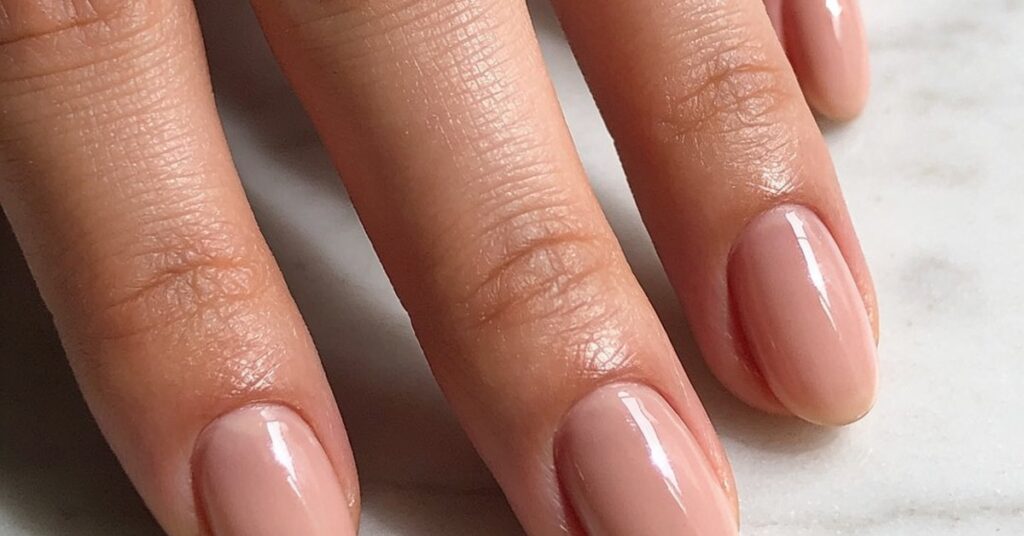
Nail ridges are more than just a minor aesthetic concern; they are often a subtle signal from your body that your internal health or nutritional balance requires a closer look. In this guide, I will provide you with a clear, evidence-based roadmap on How To Get Rid Of Nail Ridges, helping you understand when these changes are normal and how to take practical steps to restore your nails’ strength and appearance. You will learn exactly how to refine your grooming habits and dietary intake so you can feel more in control of your physical well-being.
To effectively learn How To Get Rid Of Nail Ridges, you must combine a consistent, gentle grooming routine with targeted nutritional support to address potential systemic deficiencies. Most cases of vertical ridging are managed by hydrating the nail matrix and protecting the nail plate, while horizontal ridges often require a deeper look at your overall health history and potential medical triggers.
Understanding Nail Ridges Causes And When To Seek Help
Nail ridges appear primarily due to the natural ageing process or underlying health imbalances that disrupt the nail’s growth cycle. As we age, our cell turnover rate slows down, leading to the development of vertical lines in approximately 20% of the adult population.
Identifying The Root Causes Of Nail Ridges
Beyond natural ageing, vertical ridges are frequently linked to specific nutritional gaps, including deficiencies in iron, protein, or folic acid (vitamin B9). More systemic issues can also manifest in the nails, such as hypothyroidism, rheumatoid arthritis, amyloidosis, or the rare genetic condition known as Witkop syndrome.
Recognising Serious Health Indicators
Deep horizontal grooves, formally called Beau’s lines, are a sign that your body has undergone significant stress, such as a severe illness with a high fever (like COVID-19 or measles), chemotherapy, or peripheral vascular disease (PAD). Ever found yourself wondering if that weird mark is just a bump or something more? Check the comparison below to see when you should actually be concerned:
| Nail Sign | Potential Concern | Action Required |
|---|---|---|
| Vertical Ridges | Ageing / Nutrient Deficiency | Adjust diet & hydration |
| Horizontal Grooves | Systemic Stress / Illness | Consult a GP |
| Nail Pitting | Inflammatory Condition | Consult a Dermatologist |
Daily Care Routines To Get Rid Of Nail Ridges
You can improve the texture of your nails by establishing a consistent daily care routine that focuses on hydration and physical protection. Keeping your fingernails clean and dry is the first line of defence against germ growth, which can exacerbate nail health issues.
Essential Hydration And Protection
Apply a heavy moisturising cream to your nails and cuticles every single day, particularly before you go to bed, to combat brittleness. When performing household chores or working with cleaning products, always wear rubber gloves to prevent harsh chemicals from stripping your nails of their natural oils.
The Art Of Safe Grooming
To learn How To Get Rid Of Nail Ridges safely, follow this simple process to ensure you aren’t doing more harm than good:
- Stop cutting or pushing back your cuticles to avoid damaging the matrix.
- Use a ridge-filling base coat as your primary smoothing tool.
- If you must buff, use a 280 grit buffer once a month, moving in one direction only.
Nourishing Your Nails From Within
Addressing nail ridges through your diet involves consuming a wide range of nutrient-dense whole foods that provide the raw materials for strong keratin production. A balanced intake of fruits, vegetables, protein, and nuts is essential for correcting the deficiencies that often lead to ridged or brittle nails.
Dietary Strategies For Growth
You should pair your protein and nutrient intake with Vitamin C-rich foods to significantly boost absorption and support tissue health. Excellent sources of Vitamin C include:
- Bell peppers
- Tomatoes
- Oranges
- Strawberries
Targeted Supplementation
For those who need an extra boost, taking biotin as a nutritional supplement can strengthen weak or brittle nails over time. If you suspect a deeper issue, consider a structured Nail Boost supplement programme, or discuss the use of zinc or iron supplements with your healthcare provider, provided that a blood test has confirmed a deficiency.
Advanced Topical Treatments And Restoration
Restoration of damaged nails requires a combination of intensive topical treatments and long-term patience. You can use products containing Moringa Seed Oil to nourish the nail bed, or apply glycolic acid to gently dissolve damaged surface cells and smooth out raised ridges.
Utilising Oils And Active Ingredients
Massage nourishing oils, such as coconut, olive, or vitamin E, into your nails and cuticles twice a day to maintain flexibility. I’ve found that being consistent with a simple cuticle oil before hitting the gym or bed makes a massive difference—it’s a small habit, but it pays off.
Professional Support And Recovery
Important: Patience is a requirement, as symptom duration for nail growth is slow; fingernails take 4–6 months to fully regrow, while toenails can take 12–18 months to cycle through. If you are a fan of artificial enhancements like gels or acrylics, make sure to take regular, extended breaks to allow the natural nail plate to recover from the stress of these treatments.
Preventing Future Nail Damage
Preventing ridges from returning is largely about maintaining a protective lifestyle and consistent self-care habits. By staying proactive, you can keep your nails smooth and resilient in the long term.
Remember: Never ignore persistent horizontal ridges; if Beau’s lines reappear, consult your GP or a dermatologist to rule out any underlying health conditions that may require medical intervention.
Frequently Asked Questions
Can I use nail hardeners to fix deep ridges?
While nail hardeners can offer temporary structural support, they do not resolve the underlying cause of the ridges. Use them sparingly as an adjunct to professional advice rather than a cure-all for damaged nails.
Are there specific foods that worsen nail health?
Excessive consumption of processed sugars and low-protein diets can lead to brittle, ridged nails. Focusing on whole-food nutrition is a far more effective approach to regaining nail health than simply avoiding specific ingredients.
Does stress contribute to the appearance of nail ridges?
Yes, significant physical or psychological stress can lead to temporary nail growth disturbances like Beau’s lines. Managing your overall well-being is a vital part of maintaining the health of your nails over time.
Why do my toenails have different ridges than my fingernails?
Toenails often develop ridges due to different mechanical pressures and slower growth cycles compared to fingernails. Ensure your footwear is properly fitted to reduce physical trauma and monitor any changes in colour that might indicate a fungal issue.
Consistency in your daily hydration and nutrient intake remains the most effective strategy for long-term improvement. Prioritise a ridge-filling base coat over aggressive filing to protect your nail plates while your body naturally restores its structural health.