Persistent mid-back discomfort is more than just a physical nuisance; it is a significant barrier to maintaining the posture, strength, and mental clarity required for your daily performance. In this guide, I will break down the essential movements and lifestyle shifts you need to manage this pain effectively, ensuring you know exactly how to prepare your body for recovery and which exercises to avoid during the healing process. By following this proven framework, you will gain the practical tools necessary to regain your mobility and build a more resilient back.
Exercises for mid back pain
Effective Stretches for Immediate Relief
If you are suffering from discomfort in your thoracic spine, gentle mobilisation techniques can provide swift relief. Incorporating movements such as Cat-Cow stretches and the Thread the Needle pose is highly recommended. To ensure sustainable spinal health and long-term strength, you should also include Wall Angels and Y-Raises in your routine, as these focus on strengthening the scapula and surrounding mid-back musculature.
Mobility Drills to Improve Suppleness
Improving range of motion is crucial for alleviating tension caused by poor posture or prolonged desk work. Consider incorporating the following mobility exercises into your daily regime:
- Wall rotations
- Kneeling rotations
- Rolled towel extensions
- Preacher position stretches
- Active upper back rotation exercises
Managing Mid-Back Discomfort
Mid-back pain is frequently associated with modern sedentary habits, such as prolonged desk work, looking down at mobile devices, or maintaining certain positions while breastfeeding. Targeted movements help to release the thoracic spine, which often bears the brunt of postural strain. It is advisable to repeat your chosen stretches approximately five to ten times, experimenting with different movements to identify which specific exercise provides you with the most significant relief.
Recovery Expectations and Safety
Typically, back pain begins to subside after a fortnight and usually resolves completely within four to six weeks. Whilst you may be able to manage this independently at home, please observe the following safety guidelines:
- Be mindful that these exercises are a starting point for home-based management.
- If your symptoms persist, worsen over several weeks, or if you notice pain radiating into your legs, please consult a GP or a qualified physiotherapist.
- Prioritise professional medical attention if you experience severe symptoms such as dizziness, double vision, difficulty swallowing, or a sensation of pins and needles in your back or limbs.
The Most Effective Exercises for mid back pain Relief
The fastest way to address mid-back pain is to combine gentle thoracic mobility work with targeted daily movement habits that counteract the stiffness caused by prolonged sitting. I’ve spent enough time hunched over a laptop to know that when your back locks up, your productivity and mood tank; it’s all about finding a sustainable balance between movement and rest. Remember: if your pain is within the first 48 hours, focus on easing back into light movement rather than aggressive training, and consider over-the-counter anti-inflammatories if inflammation is restricting your ability to function. Integrating consistent exercises for mid back pain into your day is the most reliable strategy to prevent long-term spinal degradation and keep you performing at your peak.
Immediate Stretches and Mobility Exercises for mid back pain
You can achieve immediate relief by performing T-Spine Rotation in a Doorway for 15-30 seconds to open up a locked-up upper back. Ever found yourself in a similar spot, feeling like your spine is made of rust? When looking for effective exercises for mid back pain, starting with these simple mobility drills is your best bet for quick results.
Essential Mobility Techniques
- Start the Thread the Needle stretch on your hands and knees.
- Ensure your knees are directly below your hips and your wrists are placed directly under your shoulders.
- Use a blanket under your knees for added comfort.
- Rotate slowly to prevent strain.
Consistency is king here; incorporate routines including the Seated Twist, Cat-Cow, Scapular squeezes, Doorway Stretch, and Open book rotation to maintain long-term spinal health.
Yoga Poses and Exercises for mid back pain Flexibility
Yoga restores spinal flexibility by using controlled poses like the Cat-Cow to move the vertebrae through their full range of motion. These poses help to gently decompress the spine and reduce the muscular guarding that often accompanies mid-back discomfort.
| Pose Category | Key Benefit |
|---|---|
| Foundation | Spinal alignment and stability |
| Deep Release | Tension reduction in the thoracic area |
| Back Extensions | Lengthening the posterior chain |
Strengthening Exercises for mid back pain and Core Stability
Building a stronger back requires specific resistance movements such as rows and face pulls that target the muscles responsible for upright posture. Strengthening these areas prevents the mid-back from becoming overloaded during daily tasks, which is the key to long-term pain management.
- Over Head Squat (15 reps, 3 times per day)
- Wall and kneeling rotations
- Wall angels for shoulder stability
- Rolled towel extension or Preacher position for targeted loading
Critical Exercises for mid back pain to Avoid During Recovery
You must avoid high-load or high-impact movements when your mid-back is inflamed to prevent further injury. Engaging in these exercises before you have achieved full mobility can exacerbate the underlying issue and prolong your recovery time significantly.
Important: Steer clear of these specific movements until your pain has completely subsided:
- Heavy deadlifts and overhead lifting
- Sit-ups and torso twists
- Burpees, squats, and forearm planks
- Superman back extensions and double leg raises
Optimising Your Workspace to Combat Sedentary Strain
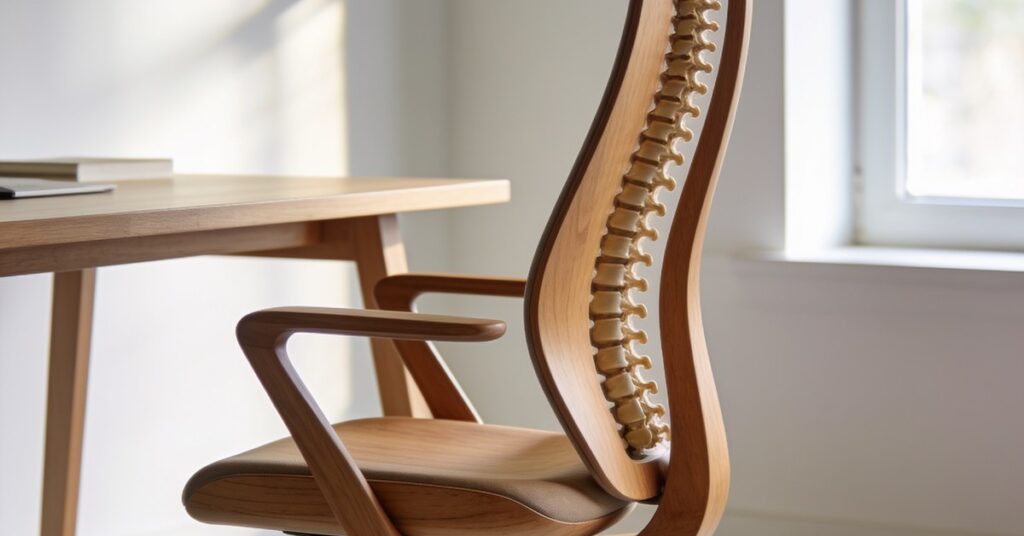
The primary way to fix mid-back pain from sitting is to break up your sedentary time by standing up and moving around for at least 2 minutes every 30-45 minutes. Poor desk ergonomics often force the spine into a kyphotic curve, so you must position the top of your computer screen at eye level and avoid sitting with your chair too far away from the desk to maintain a neutral, healthy spine position.
Building a Sustainable Daily Prevention Routine
You can prevent recurring mid-back pain by dedicating 15 minutes a day to a consistent routine. This habit ensures that your muscles do not lock up during long hours of work, keeping your thoracic spine mobile and your core engaged.
- Perform desk stretches every 30-45 minutes.
- Complete banded rows and prone Y/T/I arm raises.
- Repeat hinge movements 5 to 10 times daily.
- Practice kneeling thread-the-needle consistently.
When to Seek Professional Guidance
You should see a doctor if your symptom duration lasts for over a week or if it has not improved despite a week of diligent home treatment. It is also critical to seek medical attention if you experience constant or intense pain, or if you feel generally unwell without a clear cause.
- Presence of a fever
- Recent unexplained weight loss
- Difficulty breathing or swallowing
Frequently Asked Questions
Can heat or ice therapy assist with my recovery?
Yes, heat therapy can help relax tight muscles, while ice is useful for reducing inflammation within the first 48 hours. Using both intermittently can often provide superior symptomatic relief during the acute phase of discomfort.
Are there specific breathing techniques to help with back tension?
Deep diaphragmatic breathing helps to engage the core and release tension in the muscles surrounding the spine. Try to focus on expanding your ribcage during your stretches to enhance the therapeutic effect of each movement.
Should I continue my regular gym training while in pain?
It is advisable to modify your training by removing high-impact movements and focusing on low-intensity mobility work. Listen to your body and avoid any specific exercise that triggers sharp or shooting pain.
How do I know if my chair is causing the issue?
If you experience increased pain after sitting for extended periods, your chair likely lacks adequate lumbar support or is incorrectly positioned. Ensure your feet are flat on the floor and your screen is at eye level to reduce strain on your thoracic spine.
Prioritising regular movement and targeted exercises for mid back pain will allow you to reclaim your physical freedom and prevent future flare-ups. Remember that consistent, gentle mobility work is your greatest ally in building a resilient back that supports you through every challenge.