Neglecting your soleus muscle is a common oversight that often leads to restricted ankle mobility, persistent calf tightness, and nagging Achilles discomfort that can derail your entire training routine. In this guide, I will provide you with the exact, scientifically-backed protocols to effectively isolate and stretch this vital muscle, ensuring you know exactly how to integrate these Soleus Stretching Exercises into your schedule to prevent injury and enhance your performance. You will walk away with a clear, actionable plan that empowers you to take full control of your lower-leg health and movement quality.
The most effective way to stretch the soleus muscle is by keeping the knee bent during the movement, which isolates the soleus from the more superficial gastrocnemius muscle. Ever found yourself in a similar spot, wondering why your calves feel like concrete blocks despite endless standing stretches? It usually comes down to that simple biomechanical tweak of bending the knee, which is the secret to unlocking true lower-leg mobility. To perform these movements correctly, follow this sequence:
- Place your palms flat against a wall at approximately shoulder height.
- Adopt a staggered stance with one leg positioned behind the other.
- Keep the heel of the back leg firmly on the ground throughout the movement.
- Move your hips and knees forward toward the wall to initiate the stretch.
- Ensure the foot of the back leg remains facing forward to maintain proper alignment.
Soleus stretching exercises
Understanding Your Calf Anatomy
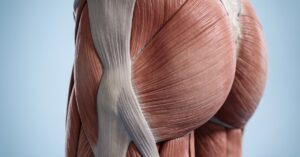
The calf complex consists of two primary muscles: the gastrocnemius and the deeper soleus. While the gastrocnemius spans both the knee and the ankle joints, the soleus is situated beneath it, attaching solely to the ankle. Because of the gastrocnemius’s involvement with the knee, the most effective way to isolate the soleus and ensure a deep stretch is by keeping the knee bent during your routine.
Step-by-Step Guide for an Effective Soleus Stretch
To successfully target the soleus muscle and alleviate tightness in your lower leg, follow these precise steps:
- Find a stable surface, such as a sturdy wall or an elevated worktop, to maintain your balance.
- Position yourself facing the surface and place one foot comfortably behind the other.
- Ensure the back foot is pointing straight ahead, keeping the heel pressed firmly against the floor throughout the entire movement.
- Slowly bend both of your knees, ensuring they are flexed rather than straight.
- Continue to sink down until you experience a focused, deep stretch located low in the calf, just above the heel.
- Maintain this position for a period of 20 to 30 seconds to allow the muscle fibres to relax.
Modifying Your Routine
It is important to tailor intensity to your current physical capabilities. Consider these adjustments to ensure the exercise remains safe and comfortable:
- If you experience discomfort, simply reduce your range of motion.
- Limit how deep you move your knees and hips toward the wall to decrease the intensity of the stretch.
- Consistency is key; regular sessions will help enhance your overall lower-leg mobility and flexibility.
Why Prioritise Soleus Mobility?
Integrating this specific stretch into your fitness regimen is highly beneficial for athletes, particularly runners and triathletes. Proper maintenance of the soleus muscle can significantly boost your range of motion and serve as a preventative measure against common lower-leg injuries. By bypassing the larger gastrocnemius through knee flexion, you ensure that you are truly targeting the correct area for improved performance and comfort.
Unlocking Your Potential With Soleus Stretching Exercises For Ankle Mobility
Focusing on the soleus—the deep calf muscle often overshadowed by the larger gastrocnemius—is a game-changer for anyone serious about physical performance. By improving ankle dorsiflexion and overall range of motion, you are not just preventing discomfort or cramps; you are actively enhancing your dynamic balance and maximum plantarflexion strength. Whether you are aiming to improve your curved running times or simply want to move with greater ease, the science is clear: as a study by S. Huang (2022) cited 26 times confirms, targeted Soleus Stretching Exercises provide immediate, measurable benefits for your ankle flexibility.
Essential Techniques For Soleus Stretching Exercises And Runner Performance
You can effectively target the soleus by performing a bent knee calf stretch, which requires you to stand an arm’s length away from a wall with your hands placed at eye level. Stand with your feet in a staggered stance, hip distance apart, ensuring both toes face forward and both heels remain on the floor. As you bend both knees and shift your hips forward, you create the precise leverage needed to lengthen the muscle fibres. If you find the stretch too intense, simply reduce your range of motion; conversely, to increase intensity, step further back and bend the rear knee deeper.
Advanced Variations For Targeted Relief
For those needing a more aggressive or specific release, you can use a kettlebell to prop the forefoot, which helps isolate the calf muscles with greater precision. Simply place the foot in the handle of the kettlebell while keeping the heel on the ground to deepen the stretch. If you are specifically managing Achilles Tendonitis, stand with the ball of the injured foot on a stair and reach for the bottom step with the heel to create a controlled, therapeutic lengthening of the tissue.
A Practical Routine For Soleus Stretching Exercises And Athlete Recovery
The most effective soleus routine for athletes involves a combination of static holds and targeted strengthening to build both flexibility and structural resilience. I’ve found that consistency beats intensity every time—don’t try to be a hero in one session and then skip the next three. If you want to integrate these Soleus Stretching Exercises into your weekly grind, use the following framework to track your progress effectively.
| Exercise | Volume | Goal |
|---|---|---|
| Staggered-Stance Wall Stretch | 3–4 sets x 30s | Flexibility |
| Seated Towel Stretch | 3 sets x 30s | Deep Release |
| Seated Soleus Raise | 3 sets x 5–10 reps | Strength |
Building Strength And Consistency
Building a robust soleus requires consistent loading, so focus on heavy loads during your Seated Soleus Raises—targeting a 90° knee bend—for 3 sets of 5–10 reps to ensure the muscle can handle the demands of your training. You should perform these stretches daily, or at a minimum 3 to 5 times per week, to maintain the gains in mobility. Remember that active dynamic stretches, performed for 30 seconds with three repetitions, are an excellent way to prepare your body for movement if you are not using them as a standalone recovery session.
Avoiding Common Mistakes During Soleus Stretching Exercises
You must avoid common mistakes such as bouncing during the stretch, failing to warm up before stretching, or using stretching as a primary warm-up before explosive exercise, as these errors can lead to injury or reduced power output. It is crucial to avoid aggressive overstretching which causes unnecessary micro-trauma, and you must maintain the eversion position of the foot to ensure the tension is correctly directed.
Important: Always ensure you have warmed up your muscles through light movement first to avoid injury. If you are unsure about your form, consult the GoodRx Achilles Stretches Guide or the Verywell Health Physical Therapy Exercises for visual breakdowns to ensure your technique is safe and effective.
Frequently Asked Questions
How does the foam roller aid in soleus release?
A foam roller helps by applying direct pressure to the calf region while seated, which can help break up adhesions and improve blood flow. It is particularly effective for post-workout recovery when the muscles feel tight and fatigued.
Is it possible to overstretch the soleus muscle?
Yes, aggressive overstretching can lead to micro-trauma or strain within the calf tissue, counteracting your recovery goals. Always listen to your body and focus on a gentle, controlled tension rather than pushing into sharp pain.
What should I do if I feel pain in my ankle instead of my calf?
Pain in the front of the ankle during these stretches often indicates an impingement or lack of joint space, so you should reduce your range of motion immediately. Ensure your foot is properly positioned and consider consulting a professional if the discomfort persists.
Can these exercises help with general foot balance?
Yes, improving soleus flexibility and strength directly contributes to better dynamic balance by allowing for more stable ankle control. A more mobile ankle creates a stronger foundation for all your movements, from running to daily walking.
Prioritising a bent-knee position remains the single most effective way to ensure you are actually targeting the soleus rather than the superficial calf muscles. Be patient with your progress and keep your sessions consistent; your ankles will thank you for the extra attention to detail.