Building a resilient, injury-proof lower body is a cornerstone of long-term physical performance and overall well-being. In this guide, I will walk you through the precise mechanics of the Clam Shells Exercise, providing you with the expert techniques and practical adjustments needed to safely strengthen your hips and glutes. You will learn exactly how to master this movement to prevent common setbacks and build a more stable foundation for your training.
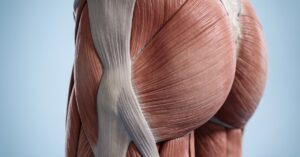
The Clam Shells Exercise is an isolation movement designed to strengthen the hip abductors, primarily the gluteus medius, by performing external rotation while lying on your side. It is the gold standard for anyone looking to improve pelvic stability, eliminate hip weakness, or add a low-impact, high-reward movement to their current fitness routine. Whether you are a weekend warrior or a dedicated lifter, mastering this specific pattern is the best way to ensure your hips can handle the demands of your daily life.
Clam shells exercise
Understanding the Benefits and Techniques
The clamshell movement is a highly efficient, low-impact routine designed to bolster the gluteus medius, hips, and core muscles. This exercise is frequently endorsed by physiotherapists to enhance pelvic stability, alleviate discomfort in the lower back, and assist in the prevention of knee injuries.
Key Insights
- The primary focus of the clamshell is the strengthening of the glutes, hips, and core stability.
- It serves as an essential tool in clinical rehabilitation settings to provide foundational bodily support.
- This movement is particularly effective for developing lateral hip strength, which is vital for managing conditions such as hip bursitis or general joint health.
Proper Execution and Variations
To begin the standard clamshell, lie on your side with both your hips and knees flexed. Ensure your heels, torso, and head maintain a straight alignment. Once in this position, lift your top knee while keeping your feet touching, mimicking the opening of a shell.
For a modified experience, position yourself as you would for the classic movement, but elevate your top foot so it hovers slightly above the lower one. This adds a layer of difficulty to the engagement.
If you are seeking a move that simultaneously challenges your core, glutes, and hips, consider the side plank clamshell. This hybrid exercise combines the intensity of a plank with the targeted isolation of a clamshell.
Incorporating this exercise into your routine on a yoga mat can significantly improve your overall strength and mobility. You may use your arm or a pillow to provide support for your head, ensuring a comfortable and consistent workout.
Perfecting Your Clam Shells Exercise Form
To perform the Clam Shells Exercise correctly, follow these steps to ensure you are hitting the target muscles without compensating:
- Lie on your side with your legs stacked and knees bent at a 45-degree angle.
- Align your heels, hips, and shoulders in one straight, vertical line.
- Use a pillow or your arm to keep your head neutral and neck relaxed.
- Lift the top knee 3 to 4 inches, keeping your ankles glued together.
- Lower the knee back down with control, keeping the pelvis rock-solid.
Muscles Worked During the Clam Shells Exercise
The movement recruits a specific chain of muscles to stabilise your hip joint. Ever found yourself wondering why your hips feel „tight” even when you stretch them? Often, it’s not just tightness—it’s weakness, and this move fixes that by activating the deep lateral stabilisers that support your entire frame.
| Muscle Group | Primary Function |
|---|---|
| Gluteus Medius/Minimus | Hip abduction and stability |
| Piriformis/Obturator Internus | Deep external hip rotation |
| Tensor Fasciae Latae | Pelvic alignment support |
Benefits of the Clam Shells Exercise for Glutes
The Clam Shells Exercise is essential for glute function because it targets the gluteus medius and minimus, muscles that are often neglected in standard compound lifts. By facilitating the external rotation of the hip, this movement directly improves pelvic stability and serves as a vital component for injury prevention in athletes and active individuals alike.
Because the Clam Shells Exercise is classified as a low-impact exercise, it allows you to train these critical stabilising muscles without the wear and tear associated with heavy weight-bearing movements. Integrating this into your sessions ensures that your glutes are firing correctly, which is the secret to unlocking more power in your daily physical activities. Many guys wonder if isolation work is necessary when they already hit heavy deadlifts, but from my experience, the extra activation work is what keeps the lower back healthy and the stride powerful.
Common Mistakes in the Clam Shells Exercise
You can avoid common technical pitfalls by focusing on slow, deliberate control rather than speed. To keep your form sharp, compare your current approach against these common errors:
- Rotating the hips: If your pelvis rocks backward, you’ve lost the isolation.
- Over-extending: Lifting higher than 4 inches forces your lower back to compensate.
- Speed demons: Rushing the movement turns a strength builder into a wasted effort.
How to Add the Clam Shells Exercise to Your Routine
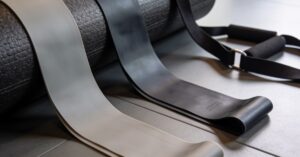
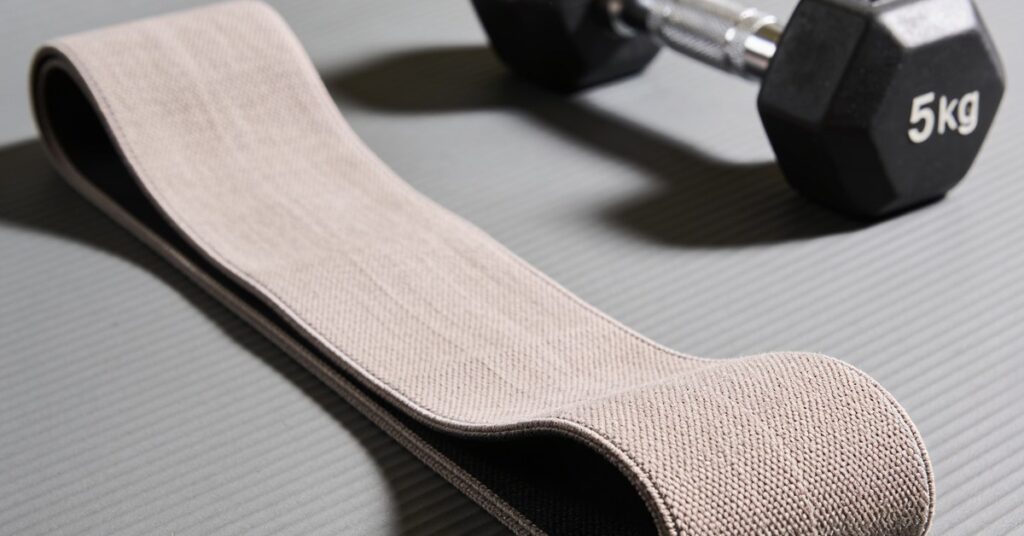
To add the Clam Shells Exercise to your training routine, perform 10–15 repetitions on each side for 2–3 sets per session, ideally using the movement as a glute warmup. Ensure your heels are aligned with your head, torso, and hips to maintain perfect form. For an advanced approach, you can place a resistance band just above the knees to increase the difficulty of the abduction.
Important: Always keep your feet touching during the lift; if your feet drift apart, you are bypassing the very muscles you are trying to strengthen.
Clam Shells Exercise for Hip Pain and Injury Prevention
The Clam Shells Exercise helps with hip pain and injury prevention by specifically targeting the gluteus medius through a controlled range of hip and knee flexion. For runners, the standard prescription is two sets of 10 repetitions per side to ensure the hips remain resilient against the repetitive impact of the road. Dealing with stress after a tough day at work is normal, and using these controlled, low-intensity movements can actually serve as a great way to decompress and reconnect with your body’s mechanics.
Remember: This exercise is strictly contraindicated for those suffering from gluteal tendinopathy, GTPS, or trochanteric bursitis. If you are experiencing sharp, localised pain, skip this movement and consult a professional.
Frequently Asked Questions
How can I tell if I am doing the exercise correctly?
You will feel a deep, burning sensation in the side of your hip, specifically the gluteus medius, rather than tension in your lower back or the front of your thigh. If you feel it in your back, your hips are likely rotating too far.
Should I use a resistance band every time?
Start with bodyweight to master the form, then introduce a light resistance band once you can complete 15 perfect repetitions on both sides without losing your alignment. This adds extra tension to the abductors, increasing metabolic stress on the muscle fibres.
Can this help with knee pain?
Yes, because the gluteus medius is responsible for controlling the alignment of the femur; strengthening it often prevents the knee from collapsing inward during movement. This improved tracking reduces unnecessary stress on the patellofemoral joint.
How often should I train this movement?
You can perform the Clam Shells Exercise 3 to 4 times per week as part of your warm-up or accessory work. Consistency is vital for neuromuscular adaptation, helping your brain learn to recruit these stabilisers automatically during larger compound lifts.
Focus on keeping your hips perfectly stacked and your movements slow to ensure you are effectively targeting the lateral glutes. Master this level of control and you will finally build the stability required to bulletproof your hips against future injury.