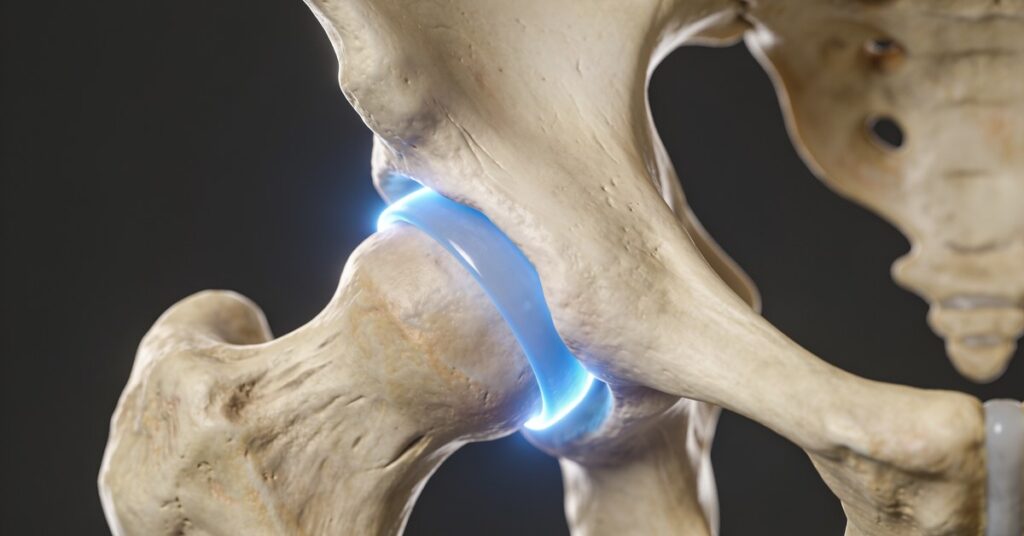
Persistent sacroiliac joint pain can be a major barrier to your physical performance and overall quality of life, but it is a challenge you can overcome with the right approach. In this guide, I will walk you through evidence-based exercises and recovery protocols to help you regain your mobility and stability. You will learn exactly how to manage your symptoms safely at home, what to avoid, and how to set realistic expectations for your return to full health.
The best SI Joint Exercises to alleviate sacroiliac joint pain include targeted movements like the Hip Thrust, Supine Glute Stretch, and Seated Hamstring Stretch to release tightness, alongside the Knee-to-chest stretch, Figure-4 stretch, Trunk rotation, and Bird-Dog pose to improve joint mechanics. These movements work by gently mobilising the joint and releasing the surrounding musculature that often becomes guarded and stiff when inflammation sets in. Ever found yourself wondering if you can actually fix this without surgery? By incorporating these into your daily routine, you can effectively reduce the mechanical stress on your pelvis.
Si joint exercises
Core Stability and Pelvic Alignment
Exercises designed for the sacroiliac (SI) joint primarily target core stabilisation, improving hip flexibility, and ensuring the pelvis is correctly aligned. To begin alleviating discomfort, focus on these fundamental, pain-free movements.
The Importance of Targeted Strengthening
Developing a robust core is essential for supporting the spine and pelvis, which effectively minimises pressure on the SI joint and encourages an improved posture. If you notice a specific muscle group struggling during these movements, it serves as an indicator that those muscles require additional attention. Aim for three sets of ten repetitions for these movements, ensuring you maintain balance by working both sides of the pelvis equally.
Safety Guidelines and Considerations
Consistency is key for long-term relief, requiring a blend of stretching tight areas and strengthening weaker muscles. Please adhere to the following precautions:
- Always perform movements in a controlled and pain-free manner.
- Avoid pushing through sharp, shooting, or radiating pain; cease the exercise immediately if you experience this.
- Prioritise foundational movements during the initial stages of your recovery.
- If you are pregnant, be mindful that hormonal shifts increase ligament laxity in preparation for childbirth, which may affect joint stability.
Recommended Stretches and Techniques
Incorporate the following techniques to support your recovery process, ensuring you switch legs to maintain symmetry:
- Gluteal Stretch: From a supine position, pull your knee towards your chest to stretch the buttock muscles. Hold this position for 15 to 30 seconds before returning to the starting point. Repeat this two to four times on each leg.
- Pelvic Tilt: Lie on your back with your knees bent and feet flat on the floor. Press your lower back into the floor while engaging your abdominal muscles.
- Forward Lean: Lean forward gently until you感受到 a stretch in the gluteal region. Perform this on both sides to ensure balanced results.
Professional Consultation
Achieving relief often requires a tailored approach. If you are experiencing persistent discomfort, it is highly recommended to seek advice from a medical professional, such as a doctor or a qualified physiotherapist. A specialist can provide a recovery plan specifically designed for your individual biomechanical needs. Ensure you verify the credentials of your practitioner to guarantee they adhere to the highest standards of clinical practice and ethical care.
Disclaimer: This information is for educational purposes and does not constitute medical advice. Always consult with a healthcare professional before commencing any new exercise programme.
Effective SI Joint Exercises to Alleviate Pain
You can find relief by performing a combination of controlled stretches that target the hip, gluteal, and lower back regions. These movements are designed to reduce the protective muscle spasms that often accompany joint dysfunction, allowing the area to move with less pain. Consistent application is the most reliable way to ensure these SI Joint Exercises yield the results you are looking for.
| Exercise Category | Primary Benefit |
|---|---|
| Hip Thrust / Glute Bridges | Glute activation and pelvic support |
| Supine Glute / Figure-4 Stretches | Releasing tension in deep hip rotators |
| Trunk Rotation / Bird-Dog | Improving core coordination and joint mobility |
Building Stability and Core Strength to Support Your Pelvis
Building pelvic stability is achieved by focusing on the deep core and gluteal muscles through specific resistance and isometric training. The Bridge Pose, also known as the Glute Bridge or Supine Bridge, serves as a primary movement for strengthening the posterior chain, while Lying Hip Adduction and Lying Hip Abduction with a resistance band help balance the muscles that pull on the pelvis.
- Triangle Pose for balanced pelvic load.
- Bird-Dog Pose for spinal and core coordination.
- Isometric Knee Push and Ball Squeeze for deep stability.
- Core isometric exercises to protect the joint from future strain.
Essential Protocols for Daily Mobility and Inflammation Management
Managing inflammation requires a combination of gentle mobility work and targeted physical therapy exercises that do not overload the joint. When dealing with active inflammation, clinicians often recommend the following sequence to restore function and maintain structural integrity:
- Start with gentle Pelvic Tilts to wake up the muscles.
- Transition to Sit-to-stands to practice functional movement.
- Perform Back extensions and Side planks to build endurance.
- Finish with Suitcase carries to challenge your stability in motion.
Best Practices for Performing SI Joint Exercises Safely at Home
Performing these exercises safely requires strict adherence to form, such as keeping your knees bent at approximately 90 degrees when lying on your back and using a flat exercise mat to ensure proper spinal alignment. From my experience, rushing through these movements is the fastest way to stay in pain—take your time and focus on the muscle contraction rather than just hitting the rep count. Maintaining a controlled tempo is arguably more important than the number of repetitions you complete.
Important: Stop exercising immediately if you experience numbness, tingling, or weakness in your legs, as these could be signs of nerve involvement requiring professional assessment.
Realistic Expectations and Recovery Timelines
You can generally expect noticeable improvements within 1 to 2 weeks of consistent exercise therapy, though lasting results usually require 2 to 6 weeks of daily practice. Understanding the phases of recovery is crucial for your mindset, as it keeps you from getting discouraged during the long haul of rehabilitation.
| Phase | Timeframe | Focus |
|---|---|---|
| Acute Phase | First 10 days | Pain reduction and gentle mobility |
| Chronic Phase | Day 10 to 180 | Gradual strengthening and stability |
Activities and Movements to Avoid
You must avoid activities that place high, unpredictable, or repetitive shear forces across the sacroiliac joint. This isn’t forever, but it is absolutely essential while you are healing and trying to regain your baseline function.
- High-impact: Running, jogging, football, basketball.
- High-rotation: Golf, tennis.
- High-load: Heavy weightlifting, sit-ups, abdominal crunches.
Remember: Avoid biking for extended periods, as the fixed, hunched position can increase pressure on the pelvis and exacerbate your pain symptoms.
Frequently Asked Questions
Can I use heat or cold therapy alongside these exercises?
Yes, applying ice to the inflamed area during the first 48 hours can help reduce swelling, while heat is often more effective later for relaxing tight muscles before you begin your SI Joint Exercises.
How do I know if my SI joint pain is actually coming from my lower back?
Differentiating the two often requires a professional clinical assessment, as pain from the SI joint is typically felt in the lower back, buttocks, or upper thighs, whereas disc-related back pain often radiates further down the legs.
Are there specific shoes I should wear while performing these stretches?
While most of these exercises are done on a mat, wearing supportive, flat-soled trainers is recommended if your routine includes standing movements like the Triangle Pose to ensure proper balance and joint alignment.
Is it normal to feel a slight increase in soreness after starting a new routine?
Mild muscle soreness is common when you first introduce new movements to your body, but this should feel like standard muscular fatigue rather than sharp, stabbing joint pain; if the latter occurs, reduce the intensity immediately.
Commit to a daily routine of these SI Joint Exercises to build the structural support your body needs to thrive. Prioritise slow, controlled movements over intensity to ensure you heal correctly and prevent further irritation to the joint.