Dealing with persistent ear congestion and the resulting impact on your focus can be a major hurdle to maintaining your physical and mental peak. This guide provides a clear, no-nonsense breakdown of Otitis Media with Effusion, ensuring you understand exactly how to identify the condition, what to expect during your recovery, and when to seek professional intervention. You will gain the reliable, practical knowledge needed to regain control of your health and navigate this recovery process with confidence.
Otitis Media with Effusion, widely known as „glue ear,” is a condition characterised by the accumulation of nonpurulent, mucoid, or serous fluid within the middle ear space. It is essential to distinguish this from an active infection, as it occurs without any signs of bacterial or viral invasion, primarily caused by the blockage or malfunction of the Eustachian tube. Because there is no active infection present, medical guidelines generally advise against the use of antibiotics for this condition.
Otitis media with effusion
Understanding Glue Ear
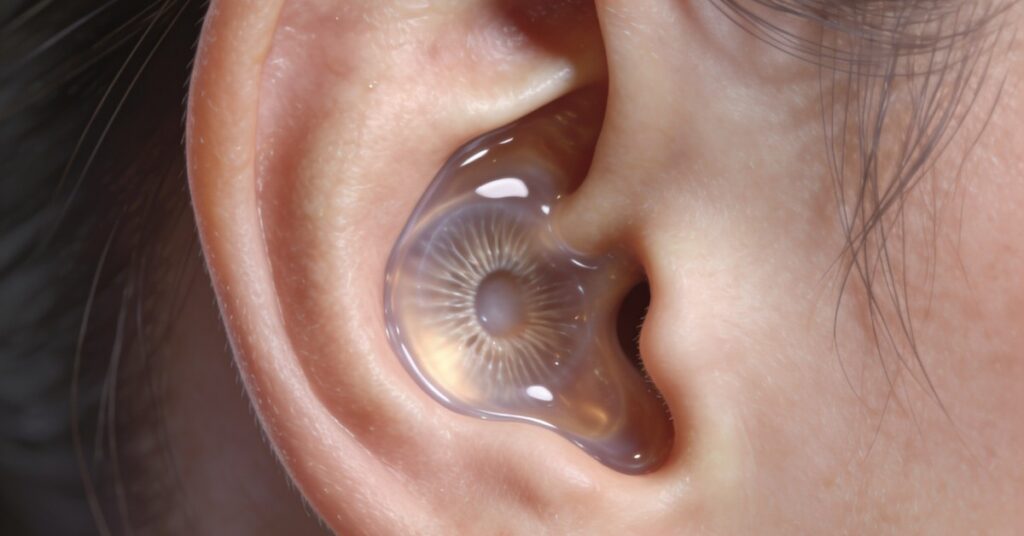
Otitis media with effusion (OME), frequently referred to as „glue ear,” describes the collection of sterile fluid within the space behind the eardrum. Unlike acute infections, this condition typically manifests without the presence of pus, fever, or significant pain. It is widely recognised as the leading cause of hearing impairment during childhood, with a large majority of children experiencing at least one episode during their developmental years.
Mechanism and Causes
The condition arises when the Eustachian tube—the small passage responsible for draining fluid from the middle ear into the throat—becomes obstructed or fails to function correctly. This blockage prevents natural drainage, leading to the accumulation of either thin, serous fluid or thicker, mucoid fluid. Because the process is not driven by bacteria or viruses, it remains distinct from acute inflammatory ear infections.
Recognising Symptoms
Whilst OME does not generally cause the intense distress associated with bacterial ear infections, it can lead to various sensory and functional changes. Common characteristics include:
- Mild to moderate temporary hearing loss.
- A sensation of fullness or pressure within the ear.
- Difficulty with equilibrium or balance.
- Potential fluctuations in speech development or behaviour in younger children.
Diagnosis and Clinical Assessment
Healthcare professionals typically diagnose OME through a physical examination using a pneumatic otoscope to observe the mobility of the eardrum. To confirm the diagnosis, an audiologist or clinician may utilise tympanometry, a straightforward and painless procedure designed to measure the flexibility of the eardrum and detect the presence of retained fluid.
Management and Recommended Care
In most instances, the condition resolves spontaneously without the need for pharmacological intervention. Because OME is not an active infection, medical guidelines often advise against the use of antibiotics, antihistamines, or decongestants, as these treatments have proven ineffective for this specific condition.
When to Seek Advice
It is advisable to consult a general practitioner or a paediatrician if you observe any of the following:
- Persistent or worsening hearing difficulties.
- Regression in speech or language skills.
- Noticable changes in a child’s behaviour or engagement.
For personalised assessment or further support, please contact your local primary care provider or appropriate regional health services to arrange a consultation.
Understanding Glue Ear and the Mechanics of Otitis Media with Effusion
At its core, glue ear is a mechanical issue where the natural drainage system of your ear fails, leading to a build-up of fluid that sits behind the eardrum. This fluid creates a dull, muffled sensation, often making it feel as though your head is underwater and significantly impacting your ability to concentrate during work or training. By understanding that this is a structural blockage rather than an infection, you can avoid unnecessary medication and focus on monitoring the situation as your body works to restore balance.
Common Triggers and Risk Factors for Otitis Media with Effusion
You can often identify the root cause of your Eustachian tube dysfunction by looking at your current lifestyle habits and underlying health profile. Ever found yourself in a similar spot where a minor health issue lingers longer than expected? It is often linked to the following factors:
| Category | Risk Factors |
|---|---|
| Lifestyle | Passive smoking, bottle-feeding |
| Medical History | Acute otitis media, atopy |
| Systemic Health | Diabetes, HIV, chronic snoring |
Managing these habits and addressing health markers like blood sugar control are practical steps toward long-term ear health. From my experience, taking a proactive approach to your environment—like cutting out smoke exposure—is just as important as any medical treatment. If you are struggling with chronic congestion, it is worth looking into whether your lifestyle habits are silently sabotaging your Eustachian tube functionality.
How Professionals Diagnose Otitis Media with Effusion
A doctor confirms the presence of glue ear through a combination of a detailed clinical history and a physical examination of your ears, nose, throat, and chest. The gold standard for assessment is the otoscopic examination, where a specialist looks for specific visual markers such as an amber or gray colouration of the eardrum, a dull appearance, or the presence of visible air bubbles and fluid lines.
Advanced Diagnostic Testing and Clinical Evaluation
For a more precise evaluation, a clinician will likely perform pneumatic otoscopy, a technique that checks eardrum mobility by puffing a small amount of air into the ear canal, which boasts a sensitivity and specificity of 70% to 90%. In complex cases or for infants, an auditory brainstem response test may be required to assess hearing levels accurately. Additionally, a tympanogram is frequently used to measure middle ear pressure, with a „flat” result serving as a definitive indicator that fluid is preventing normal eardrum movement.
The Risks of Untreated Otitis Media with Effusion
While many cases of glue ear resolve without intervention, ignoring the condition when it persists can lead to long-term health complications in approximately 10% of cases. The most immediate concern is conductive hearing loss, which, if left unaddressed, can lead to speech and language developmental delays, particularly in younger patients. Protecting your long-term sensory health means staying vigilant and not dismissing persistent muffled hearing as a minor annoyance.
Potential Structural Complications
Chronic fluid accumulation can eventually cause significant structural damage to the delicate components of the ear, including scarring or permanent perforation of the tympanic membrane. If the condition is allowed to progress unchecked, it may lead to more severe issues such as tympanosclerosis, cholesteatoma, mastoiditis, labyrinthitis, or even the development of a painful postauricular abscess.
Recovery Time and Prognosis for Otitis Media with Effusion
Most cases of glue ear resolve spontaneously within 3 months, though many individuals see improvement within 4 to 6 weeks. Following a diagnosis, clinical guidelines recommend a period of watchful waiting, as your body is often capable of clearing the fluid naturally without the need for invasive procedures. In adults, the recovery process typically spans 3 to 6 months with proper management and regular check-ups to ensure hearing levels remain stable.
Important: If your fluid persists beyond the 3-month mark or if you experience hearing loss greater than 20 decibels, you should consult an ENT specialist to discuss surgical options like the insertion of tympanostomy tubes.
- Monitor your symptom duration closely using a simple log.
- Avoid aggressive ear cleaning that could damage the eardrum.
- Maintain regular check-ups with your GP to track recovery progress.
Frequently Asked Questions
Can physical exercise help clear the fluid?
There is no direct evidence that standard exercise clears fluid, but maintaining overall cardiovascular health and managing systemic conditions like diabetes can support better Eustachian tube function. Avoid high-impact activities if you feel dizzy or have severe pressure, as this may exacerbate your discomfort.
Is it safe to fly while I have glue ear?
Flying can cause significant pain or further pressure issues due to the inability of the Eustachian tube to equalise pressure, so it is best to consult your doctor before travel. If you must fly, using nasal decongestants or specific pressure-equalising earplugs might provide some relief, but medical clearance is always recommended.
Do I need to change my diet to manage ear fluid?
While no specific diet cures the condition, managing inflammation through an anti-inflammatory approach may help if you suffer from atopy or allergies. Keeping your immune system strong and avoiding known allergens can play a supportive role in your recovery process.
What does a „flat” tympanogram actually mean?
A flat tympanogram result indicates that the eardrum is not moving properly in response to pressure changes, which is a classic sign of fluid trapped in the middle ear. This confirms that the energy from sound waves is not being efficiently transmitted to the inner ear, explaining the associated hearing loss.
Adhering to a three-month watchful waiting period gives your body the time it needs to clear the fluid, so stay patient and keep your medical team updated on any changes. Trust the process of monitoring your symptoms, as this calm and disciplined approach is your best path to fully resolving Otitis Media with Effusion.