Dealing with sudden illness in your household can disrupt your routine and peace of mind, making it essential to stay informed to protect your health and those around you. In this guide, you will learn how to identify the symptoms of Slapped Cheek Rash, understand exactly what to expect during the recovery process, and discover practical, evidence-based steps to manage the condition effectively. By mastering these key facts, you can take control of the situation with confidence and ensure a swift return to your daily life.
Slapped Cheek Rash, or fifth disease, is a viral infection that primarily presents as a bright red rash on the cheeks, often accompanied by cold-like symptoms, and typically resolves on its own. While it can be alarming to see, it is generally a mild condition that requires little more than rest and basic home care, though certain groups must exercise extra caution. If you are handling this at home, keep in mind that the virus follows a predictable course, and your primary role is supporting your body’s natural defence mechanisms while the infection runs its cycle.
Slapped cheek rash
Understanding Slapped Cheek Syndrome
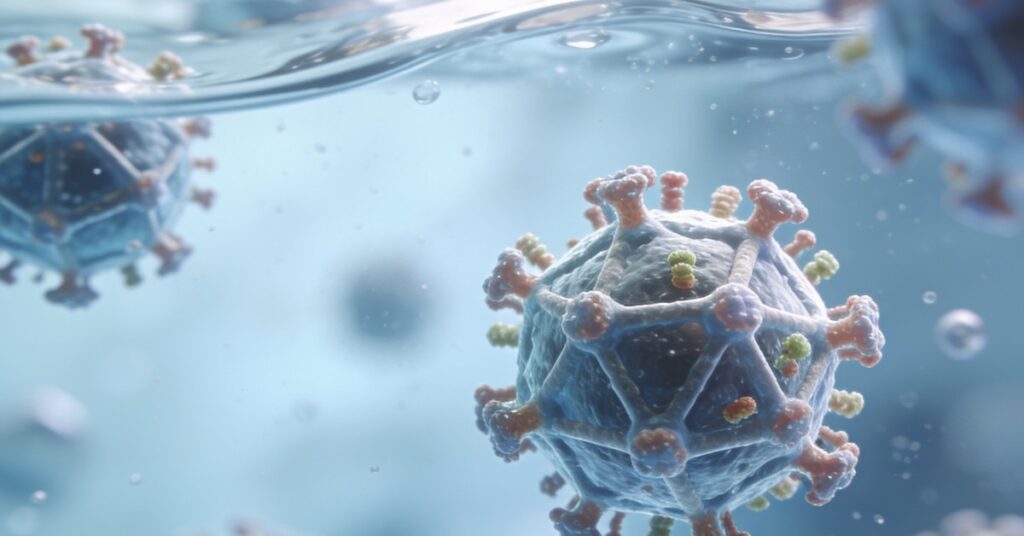
Slapped cheek syndrome, frequently referred to as fifth disease or erythema infectiosum, is a typical viral condition primarily impacting children. Driven by the human parvovirus B19, the illness is generally mild. Its primary identifier manifests as a vibrant, crimson discolouration on one or both cheeks, giving the impression that the area has been struck. This facial evidence is often succeeded by a characteristic lacy, pale pink eruption across the torso and limbs.
Progression of Symptoms
The clinical presentation of the virus usually unfolds through specific phases. Often, the earliest signs mimic a mild cold before the distinct cutaneous manifestation appears. Because this condition is frequently observed in educational settings, parents are advised to recognise the typical progression of the ailment.
Contagion and Transmission
It is vital to understand that an individual is most infectious during the preliminary flu-like stage. Once the tell-tale redness on the cheeks becomes visible, the person is typically no longer infectious, meaning that strict isolation from school or the workplace is generally unnecessary. This pathogen spreads through respiratory droplets, such as those expelled during coughing or sneezing.
Managing the Infection
As this is a viral illness, there is no specific medical cure; the body will resolve the infection naturally. Focus should be placed on alleviating discomfort:
- Prioritise adequate rest to support the immune system.
- Ensure consistent fluid intake to prevent dehydration.
- Utilise over-the-counter fever reducers, such as paracetamol or ibuprofen, to manage high temperatures.
- Apply emollients or antihistamines if the skin becomes itchy.
At-Risk Groups
While the infection poses little threat to the general population, it requires careful consideration for specific vulnerable groups. Professional medical guidance should be sought if you fall into one of the following categories:
- Women who are pregnant.
- Individuals with compromised or weakened immune systems.
- People diagnosed with specific chronic haematological conditions, such as sickle cell disease.
If you are concerned about symptoms or believe you may have been exposed, consult your general practitioner for personalised advice.
Understanding Slapped Cheek Rash Symptoms and Identification
The primary indicators of this condition include a high temperature, runny nose, and the classic facial rash. Ever found yourself looking at a weird rash and wondering if it’s just a heat flare-up or something else? Understanding the specific symptom duration and progression helps you keep your cool and prevents unnecessary panic. The appearance of the Slapped Cheek Rash is distinct, often looking like a bright red sunburn across the face, which can be quite startling if you aren’t prepared for it. Beyond the facial redness, the illness often manifests as a lace-like pattern on the body, which can linger for a few weeks as the immune system clears the viral presence from your circulation.
| Symptom Phase | What to Look For |
|---|---|
| Early Stage | High temp (38°C+), headache, sore throat, runny nose |
| Rash Stage | Bright red cheeks, lace-like rash on limbs/torso |
| Adult-Specific | Joint pain and stiffness in hands, wrists, and ankles |
The Origin and Transmission of Parvovirus B19
This condition is caused by the human parvovirus B19, which spreads through respiratory droplets. It is most common in children aged 3 to 15 years, as they are frequently in environments that facilitate the transfer of the virus through shared toys or close contact. Remember that the infection is at its most contagious state before the rash appears; once the rash becomes visible, the risk of transmission to others is essentially gone. Understanding these transmission dynamics allows you to act quickly if a child in your care complains of a sore throat or headache during the late winter months, which is when the virus typically peaks in the UK.
Managing Recovery and Home Care Strategies for Slapped Cheek Rash
The most effective strategy for recovery is to prioritise rest, allowing your immune system the energy it needs to combat the virus. From my experience, trying to „power through” a viral infection usually just doubles your recovery time—take the hit, rest up, and get back to 100% properly. Your body needs resources to fight the parvovirus B19, so focus on high-quality sleep and consistent hydration. If you are managing this for a child, keep them comfortable and monitor their temperature closely, but don’t over-medicate unless the fever is causing significant distress or discomfort.
- Stay hydrated with plenty of fluids to avoid dehydration.
- Use paracetamol or ibuprofen for discomfort (never give aspirin to those under 16).
- Use an oatmeal bath product to soothe skin irritation.
- Maintain normal feeding schedules for infants.
Navigating the Risks During Pregnancy
While usually mild, pregnancy warrants specific vigilance because the virus can occasionally cause complications. Important: If you are pregnant and suspect exposure, contact your GP immediately—don’t play the guessing game with your health or the baby’s. While the vast majority of women are already immune, the potential for severe anaemia in the unborn child means that medical oversight is non-negotiable if you are in the first half of your pregnancy. Being aware of these risks is not about fear, but about ensuring you have the right medical support in place should you need it.
When to Seek Professional Medical Advice
You should contact a GP immediately if you fall into a high-risk category. Use this checklist to determine if you need to pick up the phone:
- You are pregnant or have a weakened immune system.
- You have a blood disorder like sickle cell disease or thalassaemia.
- You experience severe joint pain or swelling that hinders movement.
- You notice extreme tiredness, shortness of breath, or very pale skin.
- A child develops a rash with unexplained bruises or small purple spots.
Proactive Steps to Prevent Viral Spread
Preventing the spread of fifth disease is largely a matter of disciplined hygiene. Follow these steps to keep your environment clean:
- Wash hands with soap and water for at least 20 seconds.
- Cough or sneeze into a tissue or your elbow—not your hands.
- Avoid sharing personal items like cups or utensils.
- Avoid touching your face, specifically your mouth, nose, or eyes.
Frequently Asked Questions
Is it possible to catch the infection more than once?
Yes, but it is quite rare. Once you have been infected with parvovirus B19, your body typically develops long-term immunity that protects you from future infections.
Should I keep my child away from school if they have a rash?
No, you do not need to keep them off school once the rash has appeared. Since the individual is no longer contagious after the rash develops, they are safe to return to their normal activities.
Can adults get Slapped Cheek Rash just like children?
Yes, adults can definitely contract the virus, although they are more likely to experience joint pain rather than the classic bright red facial rash. It is important for adults to monitor their symptoms, especially if they have underlying health conditions.
Does a cold bath help with the itching?
A lukewarm or cool bath can be soothing, but avoid using extremely cold water as it may be uncomfortable. Adding colloidal oatmeal or an oatmeal-based product is the recommended approach to calm irritated skin effectively.
Focus on consistent rest and hydration to support your immune system while the infection naturally clears. Remember that maintaining strict hygiene is your most effective way to protect those around you during the recovery process.