Prioritising your skin’s health is a non-negotiable pillar of any long-term fitness and wellness routine, especially when it comes to understanding how your body reacts to the sun. In this article, you will cut through the myths surrounding melanin and sunburn, gaining the practical knowledge needed to identify damage early and protect your skin effectively. We will walk through exactly how to prepare your daily routine and what steps to take if you find yourself overexposed, ensuring you stay in control of your physical well-being.
The short answer is an unequivocal yes: black skin can and does get sunburned. While many people believe that deeper skin tones are immune to the sun’s radiation, this is a dangerous misconception that can lead to significant health consequences. Even if you do not see a classic red flush, your skin is still undergoing stress, damage, and inflammation when exposed to UV light without protection.
Can black skin get sunburned
It is a common misconception that individuals with darker skin tones cannot suffer from sunburn. In reality, black people can and do experience sunburn. Although melanin—the pigment responsible for skin colour—offers a degree of natural protection equivalent to roughly SPF 13, it is insufficient to filter out all harmful ultraviolet (UV) radiation.
On darker skin, the typical bright red appearance associated with sunburn may not be as immediately visible. Nevertheless, the skin still sustains damage, which often manifests as discomfort, itching, peeling, or heightened sensitivity.
The risks of unprotected sun exposure
Exposing skin to the sun without adequate protection can lead to several long-term complications, regardless of one’s skin tone:
- The acceleration of the skin’s ageing process.
- The development of hyperpigmentation, commonly appearing as dark spots.
- An increased susceptibility to skin cancer.
While skin cancer is statistically less prevalent among black individuals, it is frequently diagnosed at a more advanced and perilous stage. This underscores the necessity of consistent sun protection for everyone.
Key considerations and myths
It is essential to distinguish between myths and medical realities regarding skin health:
- The melanin myth: Many believe that having high levels of melanin eliminates the need for sunscreen. While melanin provides some defence, it is not a substitute for proper sun protection products.
- Hyperpigmentation: Excessive exposure to ultraviolet light is a primary trigger for hyperpigmentation, making sun safety particularly important for maintaining an even skin tone.
Professional dermatologists advocate for the consistent use of sun protection measures. Always consult with a qualified medical provider for advice tailored specifically to your skin type and health history. Please note that this information is for educational purposes and does not replace professional medical diagnosis or treatment.
Can Black Skin Get Sunburned And What Causes Damage
Yes, black skin can get sunburned because melanin, while providing a natural level of sun protection roughly equivalent to an SPF of 13, is not an impenetrable shield against intense UV radiation. When you spend extended time outdoors without adequate gear or sunscreen, your skin can suffer from sensitivity, painful itching, and eventual peeling. It is a common mistake to assume that pigment negates the need for caution, especially when professional dermatologists like Saira George, M.D., at MD Anderson in Sugar Land, stress that damage is occurring beneath the surface regardless of your complexion. As of the latest review on November 27, 2024, the medical consensus remains firm: dark skin is not exempt from the physical trauma caused by overexposure.
Beyond the immediate physical discomfort, unprotected sun exposure can trigger long-term aesthetic and health issues such as hyperpigmentation and melasma. These conditions cause existing dark spots or patches to become significantly darker, often creating an uneven skin tone that is difficult to reverse. By understanding that your skin is vulnerable, you can take a proactive approach to your outdoor activities, treating sun care with the same discipline you apply to your gym training or nutritional protocols. Many guys wonder if they are truly at risk when the sky is overcast, but the reality is that UV rays penetrate clouds and glass, meaning the answer to „Can Black Skin Get Sunburned” is always affirmative regardless of the weather forecast.
Why Sunscreen Is Essential To Prevent Sunburn In Dark Skin
You need to use sunscreen because melanin provides at most an SPF of 13 to 15, which is insufficient to block the full spectrum of harmful UV radiation in most outdoor settings. While sunburn in people with very dark brown skin is relatively rare in the milder sunshine of the UK, it is still a physiological possibility that carries real risks. Ever found yourself in a similar spot, assuming your skin had you covered?
| Factor | Melanin Protection | Sunscreen Need |
|---|---|---|
| Natural SPF | 13 – 15 | Highly Recommended |
| Cancer Risk | Present for all | Essential protection |
Incorporating a broad-spectrum, water-resistant sunscreen of SPF 30 or higher into your daily routine is the gold standard for protecting your skin against sunburn, premature ageing, and hyperpigmentation. Think of sunscreen as a piece of essential kit, much like a mouthguard for contact sports or proper footwear for a run; it is a tool that safeguards your body’s largest organ. Consistent use is the most effective way to maintain your skin’s integrity and long-term health, ensuring that your fitness journey is not disrupted by preventable dermatological issues. Even in urban environments where you might feel shielded by buildings, UV radiation reflects off concrete and glass, compounding your total exposure throughout the day.
Identifying The Physical Symptoms Of Sunburn On Black Skin
Recognising sunburn on black skin requires looking for changes in texture and sensation, as the skin will often feel unusually warm or hot to the touch long before you notice a colour change. Because the symptoms are often subtler than the bright red burns seen on lighter skin, you must pay attention to how your body feels during and after sun exposure. Early detection allows you to get out of the sun and begin treatment before the damage escalates to a systemic level.
Localised And Systemic Reactions
Keep a close eye on these physical indicators to gauge the severity of your sun-related skin damage:
- Localised: Tenderness, tightness, intense itching, dry or ashen appearance, and blistering.
- Systemic: Fever, chills, persistent headaches, and general lethargy.
When you feel that characteristic tightness or see the skin taking on an ashen, crackly appearance, your body is effectively sending out an SOS. Dealing with the aftermath of sun exposure is far more demanding than the thirty seconds it takes to apply a layer of protection in the morning. If you ignore these early warning signs, you are essentially asking for a prolonged recovery period that will keep you out of the gym and away from your peak physical performance.
Effective Methods For How To Treat Sunburn On Dark Skin
The most effective way to treat a sunburn on black skin is to focus on cooling the area and reducing inflammation immediately. Personally, I have found that keeping a dedicated bottle of aloe in the fridge makes a massive difference when you have been out a bit too long in the heat. When the skin is inflamed, the last thing you want to do is add heat or occlusive barriers that make the situation worse.
- Take frequent cool baths or showers to draw heat out of the skin.
- Apply a cold compress using a flannel soaked in cold water for 15-minute intervals.
- Apply 1% hydrocortisone cream three times a day for three days to manage inflammation.
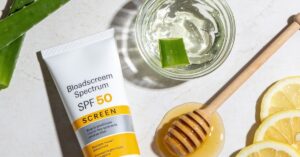
- Use water-based aloe vera or soy-based moisturisers to hydrate the area.
- Take over-the-counter NSAIDs like ibuprofen to reduce pain and swelling.
Important: Avoid oil-based products and petroleum jelly, as these will trap heat inside the skin and potentially worsen the burn. Once the initial trauma has subsided, you might use topical retinoic acid creams to help reverse surface sun damage and support skin turnover. Handling a burn requires the same systematic approach you would use for a muscular injury; identify the source, reduce the inflammation, and provide the right nutrients to support cellular repair.
Does Melanin Protect Against Skin Cancer And UV Radiation
Melanin does not provide significant protection against skin cancer because it does not effectively shield the DNA of basal cells against UV radiation, as evidenced by research (Brenner, 2008). While melanin is a remarkable biological pigment that absorbs UVA, UVB, UVC, and blue light, and even helps to neutralise free radicals and reactive oxygen species (ROS), it is not a cure-all. The Skin Cancer Foundation is explicit on this point: no skin tone is immune to skin cancer, and relying on natural pigment as a primary defence is a flawed strategy. When people ask „Can Black Skin Get Sunburned” and subsequently wonder if they are safe from cancer, the answer is that total immunity is a myth that can lead to life-altering health issues.
Both the American Cancer Society and The Skin Cancer Foundation recommend the daily use of broad-spectrum sunscreen for all skin tones regardless of ethnicity. By treating your skin health with the same rigour as your cardiovascular health or muscle recovery, you mitigate the risks associated with UV exposure. Protecting yourself is not about changing your appearance, but about ensuring that your body remains healthy and functional for the long haul. Remember that cellular DNA damage is cumulative; every unprotected hour in the sun adds up over the years, making daily habit-building the only logical path forward for a man dedicated to his personal longevity.
How To Choose Sunscreen For Dark Skin Without White Cast
You can avoid the dreaded 'white cast’ by choosing sunscreens specifically formulated to blend into darker skin tones, often labelled with keywords like „invisible,” „clear,” „sheer,” or „weightless.” The goal is to find a product that provides high-level protection without leaving a chalky residue, which often discourages consistent application.
| Sunscreen Type | Look for Ingredients | Key Benefit |
|---|---|---|
| Chemical | Avobenzone, Homosalate | Zero residue |
| Mineral | Nanoized Zinc Oxide | Physical barrier |
Important: To achieve the protection stated on the bottle, you must apply roughly 2 mg of product per cm² of skin. Brands like EltaMD (UV Clear Broad-Spectrum SPF 46), Neutrogena (Hydroboost Water Gel Lotion SPF 50), NING (Dermologie SPF50+), and CeraVe (Hydrating Sheer Sunscreen) are excellent choices for maintaining a natural finish. Finding a product you enjoy using is the secret to making sun protection a permanent, non-negotiable habit in your lifestyle. If a sunscreen feels greasy or leaves you looking like a ghost, you simply won’t wear it, so spend the time to find a formula that fits your skin type and lifestyle preferences.
Frequently Asked Questions
Does shade protect you from UV radiation?
No, shade does not provide total protection because UV rays can reflect off surfaces like sand, water, and concrete. You should still wear sunscreen even when you are sitting under an umbrella or in a shaded area.
Can I safely tan if I have dark skin?
There is no such thing as a safe tan, as tanning is essentially your skin’s defensive response to UV damage. While you may not burn as quickly as others, constant exposure to UV rays increases your risk of premature ageing and skin cancer.
Are tanning beds safer for dark skin?
Tanning beds are never safe, as they emit concentrated UV radiation that significantly damages your skin cells regardless of your natural pigmentation. Avoid them entirely to protect your skin from long-term health risks.
How does sunscreen help with existing dark spots?
Sunscreen prevents UV rays from further darkening existing spots by inhibiting the overproduction of melanin in those areas. Consistent daily application is the most effective way to keep your skin tone even and prevent hyperpigmentation from worsening.
Taking care of your skin is a vital component of a disciplined lifestyle, so treat it with the same respect you give your training to ensure your body remains resilient. Always apply at least 2 mg of broad-spectrum SPF 30+ per square centimetre of skin to keep yourself fully shielded from UV radiation.