Managing the recovery of a new tattoo is a critical aspect of your personal health and hygiene, as failing to handle the healing phase correctly can compromise both your skin’s integrity and the longevity of your artwork. In this guide, I will provide you with evidence-based strategies to effectively manage persistent itching, explain exactly what your body is experiencing, and outline the best protocols to ensure a smooth, complication-free recovery. You will learn how to distinguish between normal healing and potential warning signs, giving you the confidence to protect your investment and maintain your physical well-being throughout the process.
How to stop tattoo itching
Managing the Itch During the Recovery Process
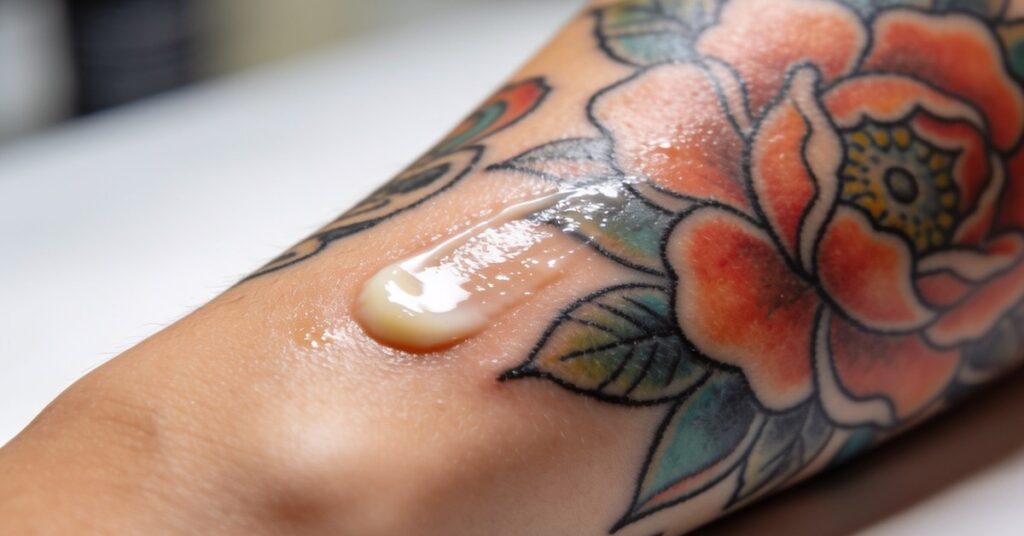
Preventing your new ink from becoming an irritation requires consistent care. To minimise the urge to scratch, apply a very thin coating of unscented moisturiser, utilise a cold compress, or gently pat the skin area. It is imperative to refrain from scratching or peeling the flaking skin, as doing so may jeopardise the quality of the artwork, lead to permanent scarring, or introduce harmful bacteria into the wound.
Techniques for Immediate Relief
- Hydration: Maintaining proper moisture levels is vital for soothing the skin during the initial healing phase.
- Gentle pressure: If the area feels particularly aggravated, light tapping can distract the nerves without damaging the surface tissue.
- Temperature control: Combat the sensation of heat by keeping the area cool and avoiding excessive sweating.
When to Seek Professional Advice
While mild itching is a standard component of the natural repair cycle during the first fortnight, some symptoms warrant medical attention. Please consult a healthcare professional or your tattoo artist if you notice any of the following:
- Excessive or severe swelling.
- A rash that appears to be spreading rapidly.
- Unusual discharge or oozing.
- Systemic symptoms such as fever or chills.
Addressing Persistent Itching in Mature Tattoos
Even long-healed tattoos can occasionally feel itchy. In such instances, consider the following preventative measures:
- Avoid harsh chemical additives: Steer clear of heavily fragranced lotions or skin products that may cause contact dermatitis.
- Minimise external irritants: Prevent friction from tight clothing and avoid environments that cause your skin to overheat or become excessively sweaty.
Summary of Healing Essentials
Itching is a common sign that your skin is actively regenerating. During the healing window of one to two weeks, focus on keeping the area clean and hydrated. Always remember that an itchy sensation is typically triggered by dryness or the natural scabbing process; persistent discomfort, however, could indicate an underlying allergic reaction or improper aftercare practices.
The Direct Answer to How to Stop Tattoo Itching
To stop tattoo itching immediately, the most effective strategy is to gently tap or slap the area with clean hands rather than scratching, combined with applying a fragrance-free, non-petroleum moisturiser. Scratching is the primary enemy of a healing tattoo, as it risks pulling out ink, creating patchy spots, and introducing bacteria that can lead to infection. By managing the nerve response through light tapping and keeping the skin hydrated with products like Recovery Tattoo Lotion, you can bypass the cycle of irritation without compromising the quality of your new ink. Learning how to stop tattoo itching effectively is essentially a lesson in patience and proper maintenance, which helps you stay in control of your skin’s health during the most vulnerable days of your recovery. If you have been wondering how to stop tattoo itching without causing damage, the secret lies in distracting your sensory nerves with firm taps rather than satisfying the itch with your fingernails.
Why Your Skin Reacts During the Healing Process
Your skin itches during the healing phase because the body is actively releasing histamines as a standard part of the inflammatory and wound-healing process. This physiological response typically begins around day four, sitting right in the middle of the first stage of healing, which spans days one through six. It is your body’s way of signalling that it is hard at work repairing the trauma caused by the needle, though you should remain aware that itching can also be triggered by allergic reactions to specific ink ingredients or flare-ups of pre-existing conditions such as eczema or psoriasis. Understanding these biological signals allows you to treat the sensation as a sign of progress rather than a cause for alarm, keeping your mental state stable while your body does the heavy lifting of skin regeneration.
The Dangers of Scratching Your Fresh Ink
You must never scratch a healing tattoo because the action physically disrupts the skin’s ability to seal, which can cause permanent scarring and result in blurry, inconsistent lines. The itchy phase is a temporary hurdle that usually lasts for one to two weeks, and giving in to the urge to scratch can pull out ink particles, leaving you with patchy spots that require expensive touch-ups. If you find you have accidentally broken the skin, follow this protocol:
- Wash the area immediately with lukewarm water and a fragrance-free antibacterial soap.
- Pat the area dry gently with a clean paper towel—never rub.
- Apply a thin layer of recommended aftercare ointment to protect the wound.
Proven Techniques to Relieve Itching Safely
You can effectively relieve tattoo itching without scratching by using a cold compress wrapped in a clean cloth to soothe the inflamed nerve endings. Beyond physical cooling, you can incorporate an over-the-counter antihistamine to dampen the body’s systemic histamine release, effectively lowering the intensity of the itch. It is all about finding a sustainable balance; getting a tattoo is a commitment to your aesthetic, but it requires a bit of mental discipline to handle the discomfort. You should view this period as a test of your routine management—similar to how you might manage recovery after a high-intensity workout. By keeping your skin hydrated with a non-petroleum product, you create a protective barrier that mitigates the dryness that so often exacerbates the itching sensation.
Essential Aftercare Products for Soothing Relief
Choosing the right gear is just as important as choosing your artist. I have found that sticking to high-quality, fragrance-free products saves you a lot of grief during the healing process. Ever found yourself staring at a shelf full of lotions wondering which one won’t wreck your new ink?
| Category | Recommended Products |
|---|---|
| Ointments | Bepanthen Tattoo, Eucerin Aquaphor |
| Creams & Lotions | Stories & Ink, Lubriderm, Aveeno |
| Specialised Care | Mad Rabbit Gel, Hustle Butter, Thirteen Daggers |
The Role of Hygiene in Managing Irritation
Washing your tattoo helps with itching by removing dried plasma, bacteria, and residue from skincare products that can irritate sensitive, healing skin. You should wash the tattoo with lukewarm water and a mild, fragrance-free antibacterial soap like Dial, making sure to wash your hands thoroughly before touching the area to avoid introducing contaminants. Remember: Always pat the area dry with a clean paper towel instead of rubbing it, and follow up by applying a thin, breathable layer of balm twice a day while avoiding tight clothing that causes friction. Keeping the area clean is not just about aesthetics; it is about preventing the bacteria buildup that turns a standard itch into a genuine medical concern.
Managing Itchiness in Settled Tattoos
You can soothe an old tattoo that is itching by using colloidal oatmeal baths or applying an ice pack for 20 minutes at a time to calm the underlying tissue. It is vital that you treat any mild, lingering itching with a gentle steroid cream if recommended by a professional, while ensuring you avoid using washcloths or scrubs that could irritate the surface. Even with an older piece, the golden rule remains: do not scratch the area and never pick at any scabs, as these actions can still cause long-term skin texture issues. If your ink is years old and suddenly starts acting up, address the dryness first, as that is the most common culprit behind late-stage irritation.
When to Seek Medical Attention
You should seek medical attention if your tattoo itching is accompanied by signs of infection such as fever, spreading redness, warmth, or the presence of pus. It is also important to consult a healthcare provider if you notice raised, scaly bumps or clear fluid leaking from the tattoo, as these are not typical signs of standard healing. Seek immediate medical care if you experience symptoms of a systemic allergic reaction, including hives, trouble breathing, dizziness, a fast heart rate, or chest tightness, as these indicate a serious, time-sensitive medical event.
Recognising Abnormal Healing Timelines
Normal symptom duration typically subsides within the first one to two weeks, so you should seek professional medical advice if symptoms do not improve or worsen after the first few days of the healing process. Any itching that occurs outside of the standard healing timeframe, or an allergic reaction that fails to resolve after using a steroid cream, requires a professional evaluation to rule out complications like contaminated ink or underlying dermatological flare-ups.
Frequently Asked Questions
Can I use ice to stop an itchy tattoo?
Yes, applying an ice pack wrapped in a clean cloth for 20 minutes can significantly reduce inflammation and numb the itching sensation. Ensure you never place the ice directly against the skin to avoid cold burns.
Is it normal for a tattoo to itch during exercise?
Increased blood flow and sweating during a workout can intensify the itching sensation in a healing tattoo. It is best to avoid heavy physical activity during the first week of healing to prevent excessive moisture and irritation.
Should I re-wrap my tattoo if it starts itching?
No, you should never re-wrap a healing tattoo unless specifically instructed by your artist. Leaving the area exposed to fresh air is essential for the skin to breathe and heal properly.
How do I know if the itch is caused by an allergy?
An allergic reaction often presents as persistent, intense itching accompanied by red, raised, or bumpy skin that does not improve with standard moisturising. If you suspect an allergy to the ink, consult a dermatologist to avoid a severe reaction.
Remember that the itch is just a temporary sign of your body’s natural healing, so stay disciplined by tapping your skin instead of scratching to protect your hard-earned ink. By prioritising consistent, fragrance-free hydration, you will ensure your tattoo heals perfectly while keeping your peace of mind intact.