Dealing with the persistent pain and irritation of chilblains is a significant hurdle when you are trying to maintain your physical activity and overall well-being throughout the winter months. In this guide, I will provide you with evidence-based strategies to accelerate your recovery, explain what you can realistically expect during the healing process, and detail exactly how to prepare your body for a faster, more comfortable return to form.
To get rid of chilblains quickly, you must immediately prioritise slow, consistent rewarming of the skin while simultaneously avoiding any direct heat sources, massaging, or rubbing that could further damage the inflamed tissue. Rapid recovery relies on a disciplined approach: stabilise your core temperature with layered, insulated clothing, utilise protective topical creams to soothe the constant itching, and eliminate lifestyle triggers like smoking or caffeine that restrict your peripheral blood flow. Understanding the mechanics behind this condition is the first step in learning how to get rid of chilblains quickly without resorting to ineffective methods that only delay the natural healing of your body.
How to get rid of chilblains quickly
Effective strategies for rapid symptom relief
To alleviate chilblain symptoms efficiently, you must rewarm your skin in a gradual manner. It is vital to avoid direct heat sources, such as radiators, as these can aggravate the condition. For unbroken skin, you may apply hydrocortisone cream or calamine lotion to manage persistent itching. It is also essential to refrain from scratching these areas. Should the skin become broken, ensure you apply an antiseptic and cover the affected site with a sterile dressing to minimise the risk of infection.
Managing discomfort and healing
Chilblains generally resolve spontaneously within two or three weeks following exposure to the cold. During this recovery period, consider the following approaches to improve your comfort:
- Apply witch hazel or calamine lotion to reduce irritation.
- Ensure the affected area is kept clean, dry, and maintained at a comfortable, warm temperature.
- Use loose, dry dressings to protect the skin and avoid wearing clothing that causes friction or rubbing.
- Consult a pharmacist for advice on specialised soothing lotions.
Medical considerations and interventions
While self-care is often effective, certain situations require professional guidance. If your chilblains fail to heal within three weeks, or if you notice signs of secondary infection, such as increased redness or pus, you should schedule an appointment with a podiatrist or your local GP.
Specific groups may be at a higher risk of developing persistent chilblains, including individuals with poor nutrition, those who are underweight, or patients suffering from peripheral vascular disease. Furthermore, if you have an underlying medical condition that increases your susceptibility or mimics the appearance of chilblains, professional assessment is recommended.
Pharmacological treatment options
Management strategies sometimes involve medical interventions to alleviate symptoms and encourage healing. Therapeutic approaches may include:
- Rewarming the affected area by immersing it in warm—not hot—water.
- Utilising oral vasodilators, such as Nifedipine, which help to relax the blood vessels and improve circulation in the affected extremities.
Expected Recovery Timeline and How to Get Rid of Chilblains Quickly
Chilblains are typically temporary, and you can expect them to resolve completely within a period of one to three weeks. While the initial discomfort might feel intense, the vast majority of cases clear up naturally in 2 or 3 weeks, provided you protect the affected area from further thermal shock. Understanding that the symptom duration is finite helps you maintain the patience required to avoid aggravating the skin during the first few days of inflammation. If you are diligent about avoiding cold exposure, you will find that your body is remarkably efficient at repairing these minor vascular injuries on its own schedule.
Immediate Home Remedies and Best Ways to Get Rid of Chilblains Quickly
You can effectively manage the acute discomfort of chilblains at home by combining targeted pain relief with gentle skin protection. Taking Tylenol (acetaminophen) or Advil (ibuprofen) is the most direct way to dampen the pain response, while soaking your feet in warm, salted water helps create a soothing environment for the skin to begin its repair process. Ever found yourself in a similar spot, wondering if you should just tough it out? Don’t; treat the symptoms early to avoid complications and ensure that your daily routine remains as uninterrupted as possible during the recovery phase.
Managing Pain and Itching
The primary goal when managing symptoms is to reduce the relentless itch and soreness without causing mechanical trauma. Apply calamine lotion or witch hazel to the affected areas, as these are highly effective at cooling the skin and calming the irritation. While the temptation to rub your feet or apply Deep Heat may be strong, you must avoid these actions entirely, as they can rupture the sensitive, inflamed skin and delay your recovery time. From my own experience, maintaining a calm mental approach to the itching prevents the subconscious urge to scratch, which is often the biggest enemy of rapid healing.
Protective Lifestyle Adjustments for Faster Recovery
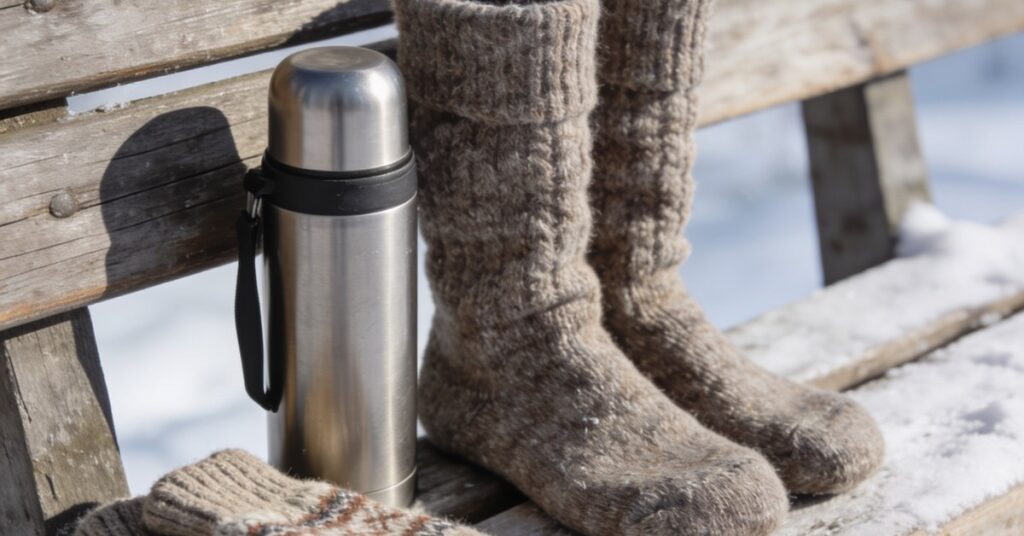
Speeding up recovery requires you to remove external factors that hinder your body’s circulation. Wear warm, waterproof clothing, gloves, and thick socks to ensure your extremities stay at a stable, comfortable temperature. Remember: avoid smoking, caffeine, and decongestants during this recovery window, as these substances trigger the constriction of blood vessels, which is the last thing your healing skin needs. By removing these systemic stressors, you give your body the best possible environment to restore normal vascular function in the affected extremities.
Recommended Creams and Therapeutic Ointments for Chilblains
The most effective way to treat chilblains topically is by selecting a product that matches the current state of your skin. I’ve learned the hard way that throwing random products at the problem doesn’t help; you need to be strategic about what goes on your skin to facilitate the natural recovery process effectively.
| Condition | Recommended Treatment |
|---|---|
| Unbroken Skin | 1% hydrocortisone cream |
| Sores / Ulceration | Triamcinolone 0.1% cream |
| Persistent Itch | Calamine lotion or witch hazel |
For those looking for purpose-built solutions, Pernioderm Chilblains Relief Cream or Walkwel Chilblains Ointment are designed specifically for pernio. Furthermore, look for ointments containing camphor or local anaesthetics to provide a more direct numbing effect on the painful areas, and consider Balmosa cream, which utilises capsicum and menthol to stimulate blood flow safely. When searching for how to get rid of chilblains quickly, having a small kit of these targeted topicals ready in your medicine cabinet is a pro move that saves you from unnecessary suffering when the first cold snap hits.
Advanced Medical Interventions and Professional Care
Medical intervention becomes necessary when standard home care fails to bring relief, particularly in severe or persistent cases. A GP may prescribe nifedipine, available as a capsule or tablet, to help dilate blood vessels and improve blood supply to the affected areas. Additionally, if the pain remains unmanageable, your doctor can advise on the appropriate use of non-steroidal anti-inflammatory drugs (NSAIDs) to provide a stronger, systemic approach to managing the inflammation. Do not hesitate to seek this expertise if you feel that your progress has stalled, as persistent vascular issues deserve professional oversight.
Proactive Winter Prevention Strategies
Prevention is the ultimate strategy for avoiding the recurrence of chilblains and ensuring your winter remains productive. Follow these steps to keep your circulation optimal:
- Stop smoking entirely to prevent nicotine-induced blood vessel constriction.
- Keep active to naturally improve your circulation levels.
- Use mittens, hand warmers, and layered clothing to maintain your overall body temperature.
- Avoid direct heat sources like radiators or hot water which can shock your skin.
When to Seek Professional Medical Advice
You should consult a GP if your symptoms do not show clear signs of improvement after 2 to 3 weeks of home care. Important: Immediate medical attention is required if the skin blisters, breaks, or ulcerates, or if you notice pus, which indicates a potential infection. It is also vital to seek care if you have an underlying condition like diabetes, if you experience a high temperature, or if you notice frostbite signs such as skin turning white or losing all sensation. If you cannot get your pain under control through simple measures, a professional consultation is the most logical step to prevent long-term damage to your extremities.
Frequently Asked Questions
Can wearing compression socks help my chilblains?
While compression can sometimes help with general circulation, it is generally not recommended for active chilblains as the pressure can restrict blood flow even further. Stick to loose, warm, and insulated socks until the inflammation has subsided completely.
Is there a specific diet that prevents recurring chilblains?
There is no single „chilblains diet,” but staying hydrated and ensuring you have sufficient iron and vitamin levels can support your vascular health. Avoid excessive stimulants like caffeine, as they can cause blood vessels to clamp down, making your extremities more vulnerable to the cold.
How can I tell if my chilblains are actually an infection?
Watch for signs such as increasing redness, warmth spreading from the site, or the presence of pus. If you notice these symptoms, you must see a doctor, as you may require prescription antibiotics to treat the secondary infection.
Can I use essential oils to soothe the itching?
Some people find relief with soothing oils like lavender or chamomile, but you must be careful not to irritate broken skin. It is far safer to stick to medically approved topical treatments like calamine or specific medicated ointments until your skin is fully intact.
Focusing on gradual rewarming and eliminating vascular constrictors remains the most reliable way to restore your skin to health. Treat your body with the patience it deserves by avoiding direct heat, and you will find your path to recovery is much smoother and faster than you expect.