Maintaining foot health is a fundamental, yet often overlooked, pillar of your physical performance and overall well-being. In this guide, I will break down the most effective clinical and natural strategies for Athlete’s Foot Treatment, helping you understand what to expect during your recovery and how to effectively prepare your routine to get back on your feet. You will gain the clarity and practical tools needed to tackle this infection with confidence and precision.
The most effective way to approach Athlete’s Foot Treatment is to combine a strict, twice-daily hygiene routine with the consistent application of antifungal creams or powders, such as terbinafine or clotrimazole. You must maintain this protocol for at least one to two weeks after the rash has completely vanished to prevent the infection from returning. Taking control of this condition early is essential to ensure it does not compromise your mobility or your ability to stick to your training schedule, as ignoring the initial signs often leads to a stubborn, long-term battle with fungal spores that thrive in damp, enclosed environments.
Athlete’s foot treatment
Understanding the Condition
Athlete’s foot is a common, contagious fungal infection that typically manifests on the skin between the toes. Recognised by itchy, white patches, the condition can also cause discomfort and irritation across other areas of the feet. Proper identification and hygiene are essential to managing the spread.
Recommended Treatment Approaches
Most cases can be effectively managed using over-the-counter (OTC) antifungal preparations. These are available in various forms, including:
- Creams and ointments
- Gels
- Sprays
- Powders
When applying these treatments, such as terbinafine or clotrimazole, ensure your feet are thoroughly cleaned and dried beforehand. To prevent the recurrence of the infection, it is highly recommended that you continue the application for one to two weeks even after the visible symptoms have subsided. Always wash your hands meticulously after handling these products to avoid spreading the fungus.
At-Home Care and Prevention
Maintaining good foot hygiene is the most effective way to ease symptoms and reduce the risk of a relapse. Consider the following practices:
- Wash your feet daily with mild soap and water.
- Dry the spaces between your toes thoroughly, as moisture encourages fungal growth.
- Use cool water for washing, as excessively hot water can create an environment conducive to fungal proliferation.
- Continue using pharmacy-bought preventative treatments if you are prone to persistent flare-ups.
Recognising Complications and Seeking Professional Help
If over-the-counter medications do not yield improvement after a fortnight, or if you are managing underlying health conditions such as diabetes that may impair healing, consult a GP, pharmacist, or podiatrist.
Seek urgent medical attention if you observe signs of a secondary bacterial infection, which may include:
- The presence of pus or oozing
- Increased skin heat or fever
- Spreading redness or extreme swelling
Associated Fungal Issues
Fungal infections can sometimes spread to the toenails. Symptoms to look out for include:
- Discolouration, often turning yellow or brown
- Distortion of the nail shape
- Extreme thickening
- Brittleness or a tendency for the nail to crumble
Immediate Steps for Effective Relief and Athlete’s Foot Treatment
You can effectively treat athlete’s foot by washing your feet twice a day, ensuring you gently towel-dry the skin between your toes, and applying antifungal treatments regularly. Moisture is the primary catalyst for fungal growth, so keeping your feet dry is just as important as the medication itself. Always use a separate towel dedicated solely to your feet and wash it frequently in a hot cycle to kill any remaining spores, as reusing a damp towel is a classic mistake that keeps the infection alive and well.
Consistency is the secret to success when dealing with this infection. To keep your recovery on track, follow this daily protocol:
- Wash your feet thoroughly in the morning and before bed.
- Dry the area between the toes meticulously with a clean towel.
- Apply your prescribed antifungal cream or powder evenly.
- Change into a fresh pair of clean, dry cotton socks.
Selecting the Best Over-the-Counter Athlete’s Foot Treatment
Choosing the right over-the-counter treatment depends on the severity of your symptoms and your preference for application methods. Terbinafine, often branded as Lamisil AT, is a gold-standard antifungal treatment that typically requires once-a-day application for a duration of one to two weeks, making it a highly efficient choice for the busy guy who doesn’t have time to mess around with ineffective remedies.
| Treatment Option | Best For | Approx. Price |
|---|---|---|
| Clotrimazole 1% Cream | General fungal infection | £2.61 |
| Lamisil Once | Fast, single-dose convenience | £12.60 |
| Daktacort Hydrocortisone | Sore, inflamed skin | Prescription/Pharmacy |
Natural Remedies and Home Solutions for Athlete’s Foot Treatment
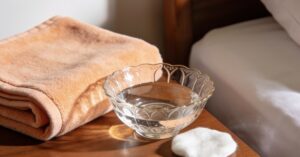
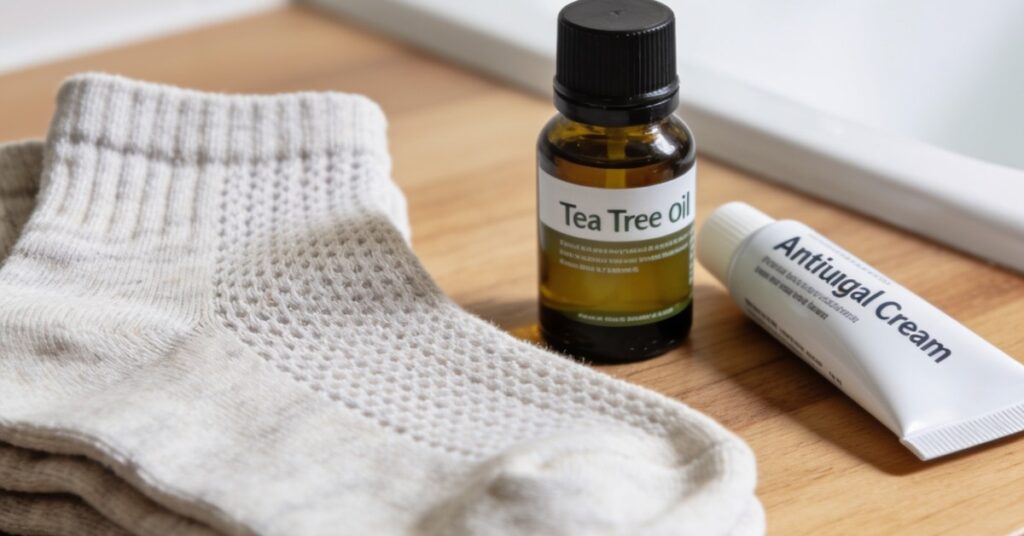
Natural remedies can provide significant relief and support the recovery process by creating an environment where fungus struggles to survive. A highly effective method is to soak your feet in a solution of one part apple cider vinegar to three parts warm water for 15 minutes, which can help alter the skin’s pH levels. Ever found yourself wondering if these home hacks actually work? From my experience, they are a solid way to manage the symptoms, provided you don’t skip the clinical treatments altogether, as natural oils like tea tree or neem are great supports but rarely the sole solution for a deep-seated infection.
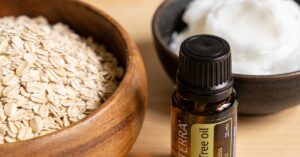
- Tea tree oil (diluted to 25-50% with coconut oil)
- Neem oil or Oregano oil topical applications
- Hydrogen peroxide or iodine soaks
- Honey and warm water foot baths
Medical Intervention for Severe Athlete’s Foot Treatment
Severe or stubborn cases of athlete’s foot often require professional medical oversight and prescription-strength interventions. A GP or podiatrist may perform a laboratory skin scraping to obtain a precise diagnosis before recommending a course of action. In these instances, prescription-strength oral antifungals are often used to clear the infection from the inside out, though these must be monitored carefully as they can affect liver function and are not suitable for pregnant women, proving that even a „simple” foot issue requires respect for your body’s systemic health.
Important: If you notice spreading redness, pus, or fever, these are clear signs of a secondary bacterial infection. Do not wait—see a doctor immediately, as this moves beyond a simple fungal issue and requires medical intervention.
Understanding Your Recovery Timeline After Athlete’s Foot Treatment
Recovery times for athlete’s foot vary significantly based on the severity of the infection and your adherence to the treatment plan. While mild cases may show improvement within 1 to 2 weeks, moderate infections often require at least 4 weeks of dedicated care to resolve. It is essential to recognize that the symptom duration varies; the success rate for a standard 2-week treatment course is roughly 50% to 60%, meaning that persistence is frequently required to ensure the fungus doesn’t simply go dormant only to flare up again the moment you slack off on hygiene.
For more deep-seated or stubborn infections, treatment duration can range from 1 to 8 weeks, and in some rare cases, it may take between 3 months and a full year to completely clear. Remember the golden rule of recovery: continue your antifungal treatment for two weeks after all visible symptoms have disappeared to ensure the fungus does not stage a comeback when you least expect it.
When to Consult a Doctor for Athlete’s Foot Treatment
You should see a doctor immediately if the rash persists after two weeks of over-the-counter treatment or if you notice signs of a secondary bacterial infection. Indicators of a bacterial complication include the presence of pus, significant swelling, fever, or redness that is actively spreading away from the initial site. You should also seek medical attention if you experience persistent pain, visible crusting, or a foul, lingering odour coming from the affected area, as these symptoms suggest that your immune system is struggling to contain the pathogen on its own.
Furthermore, certain individuals must prioritize medical consultation regardless of the perceived mildness of the infection. If you have diabetes, poor circulation, or a weakened immune system, you are at a higher risk of complications and should not attempt to treat the infection solely with home remedies or guesswork.
Proven Strategies for Preventing Future Athlete’s Foot Treatment
Preventing the return of athlete’s foot is all about managing your environment and personal habits. A crucial rule is to never wear the same pair of shoes for more than two or three days in a row, as this allows the material to fully dry out and prevents fungal spores from taking hold. Always change into clean, dry cotton socks every single day, and avoid sharing towels, socks, or footwear with other people, as this is the most common way the fungus spreads through shared living spaces or locker rooms.
Remember: Keeping your feet dry and rotating your footwear are the best defences against recurrence. In public gym environments, always wear flip-flops in the showers to avoid direct contact with contaminated tiles, as this simple step effectively breaks the cycle of reinfection.
Frequently Asked Questions
Can I use a hair dryer to dry between my toes?
While using a hair dryer on a cool setting can help remove moisture, be extremely careful not to burn your skin. A clean, dry towel is generally safer and more effective for ensuring the area is completely dry.
Does diet affect how quickly I heal from athlete’s foot?
There is no specific „athlete’s foot diet,” but maintaining a healthy immune system through balanced nutrition supports your body’s ability to fight off any infection. Focus on whole foods and adequate hydration to keep your natural defences strong.
Can I continue to go to the gym during treatment?
Yes, you can continue to exercise, but you must take extra precautions to avoid spreading the fungus. Always wear clean socks, use flip-flops in communal areas, and ensure your gym shoes are thoroughly aired out after every workout.
Are there any specific fabrics I should avoid?
You should avoid synthetic socks and tight-fitting, non-breathable footwear, as these trap sweat and heat against the skin. Sticking to natural materials like cotton, leather, or linen will significantly reduce the moisture levels that fungi require to thrive.
Consistency is your greatest ally, so please stick with your treatment for two weeks after the symptoms vanish to ensure the infection is truly behind you. You’ve got this, and with a little patience, your feet will be back to peak condition before you know it.