Dealing with a skin tag on your eyelid is more than just a minor aesthetic frustration; it is a matter of prioritising your long-term health and preventing unnecessary complications in such a sensitive area. This guide provides you with the reliable, expert-backed information you need to understand your removal options and prepare yourself for a safe, professional procedure. By following these evidence-based steps, you can take control of your well-being and resolve this issue with the confidence that your vision and skin health are fully protected.
The only safe way to get rid of skin tags on eyelids is to schedule a professional removal with a qualified dermatologist or ophthalmologist. Do not attempt to remove these growths yourself, as the proximity to your eyes makes home-based methods extremely dangerous and prone to causing permanent vision damage or severe infection.
How to get rid of skin tags on eyelids
Avoid DIY removal methods
Under no circumstances should you attempt to remove a skin tag located on your eyelid at home. The skin in this region is exceptionally sensitive and positioned in close proximity to your ocular organs. Attempting self-removal techniques, such as tying them off, cutting, or using chemical acids, presents severe dangers, including the risk of permanent eye injury, significant scarring, or deep infections.
Key considerations for eyelid skin tags
- Skin tags situated on the eyelids may lead to discomfort and occasionally obstruct your field of vision.
- It is essential to have any unusual growths on the eyelid properly assessed by a medical professional.
Visualising the condition
Eyelid skin tags are often quite noticeable due to their position. Before proceeding with any corrective measures, it is helpful to understand why these growths appear and how they might affect your appearance and comfort.
Professional medical intervention
You should always seek advice from a qualified dermatologist, ophthalmologist, or a surgeon specialising in facial plastics. These professionals possess the necessary tools to perform the removal safely in a sterile clinical environment using regulated techniques.
Clinical removal procedures
Specialists such as dermatologists and ophthalmologists who have experience in eyelid procedures can excise skin tags efficiently. This is typically a brief, focused procedure involving precise excision, ensuring the surrounding tissue remains protected.
Medical techniques used in practice
When you visit a clinic, a specialist will first confirm that the growth is benign before deciding on the best removal technique. Doctors often utilise the following methods during standard appointments:
- Precise surgical excision.
- Controlled cauterisation or cryotherapy techniques adapted for the delicate eye area.
Why professional treatment is necessary
While these growths are generally harmless, larger tags near the eyes can hinder your sight or cause persistent irritation. Entrusting the removal process to a board-certified expert ensures the safest outcome for your ocular health.
Locating a qualified specialist
To identify a reputable medical practitioner, you should utilise trusted resources. In the United Kingdom, for instance, you may search through official NHS services to find a local GP who can provide a referral. Alternatively, use recognised medical directories to find board-certified clinicians or dermatologists with expertise in eyelid procedures.
Finding the right expert online
Utilising search engines is a common approach, but verify that the results lead to official medical directories. The most reliable data comes from professional medical bodies, which provide current lists of qualified providers capable of carrying out safe, clinical skin tag removal.
Understanding the clinical process
Medical professionals receive extensive training to distinguish between simple skin tags and other types of growths. A consultation allows a doctor to examine the area thoroughly and discuss the appropriate treatment plan for your specific needs, ensuring the procedure is both safe and effective.
Why Professional Removal is the Only Safe Option for how to get rid of skin tags on eyelids
Professional removal is the only safe option because the skin around your eyes is incredibly thin and sensitive, requiring medical precision that cannot be replicated at home. When you visit a specialist, you are paying for a sterile environment and the expertise necessary to navigate the complex anatomy of the eyelid margin without risking your sight or causing long-term scarring. Ever found yourself wondering if a quick DIY fix is worth the risk to your vision when you are researching how to get rid of skin tags on eyelids?
The Dangers of DIY Methods and how to get rid of skin tags on eyelids safely
Attempting DIY removal through cutting, tying off the tag, or applying chemical home remedies is strictly discouraged because of the high risk of permanent corneal damage and accidental scarring. Anecdotal home remedies often cited online—such as using tea tree oil, banana peel, vitamin E, garlic, or iodine—can lead to severe eye irritation, chemical burns, or systemic skin damage when applied to the delicate tissue of the eyelid. Furthermore, using household tools like cuticle scissors for at-home excision is a dangerous gamble that frequently leads to injury, uncontrolled bleeding, and infection. These amateur attempts are never worth the potential for permanent visual impairment or disfigurement.
| Approach | Risk Level | Reliability |
|---|---|---|
| Professional Removal | Low (Controlled) | High |
| Chemical Home Remedies | Extreme (Burns/Blindness) | None |
| At-Home Excision | High (Infection/Scarring) | None |
Professional Medical Treatments and how to get rid of skin tags on eyelids
Medical treatments for eyelid skin tags involve precise, clinical techniques performed by trained professionals to ensure the growth is removed without damaging the surrounding optical tissue. These procedures are designed to be efficient, generally taking less than one hour to complete, and they provide the safest route for individuals who want to clear their skin without risking their long-term health or ocular function. Understanding the clinical landscape is essential for anyone serious about how to get rid of skin tags on eyelids effectively.
Common Clinical Techniques for how to get rid of skin tags on eyelids
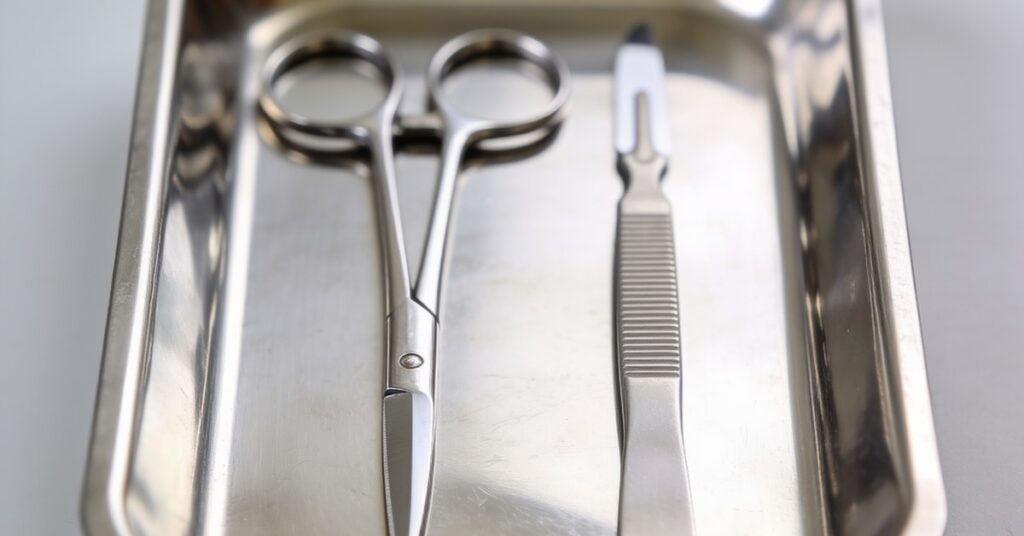
Specialists typically employ one of several proven methods depending on the size and location of the tag, including cryotherapy to freeze the tag, ligation, heat treatment, or electrosurgery to cauterise the base. Snip excision is another standard procedure where a doctor uses fine medical scissors or a sterile surgical blade to remove the tag cleanly. For those seeking highly targeted results, advanced electrolysis, radio-frequency, and laser treatments are also available, ensuring that the removal is handled with the highest level of care and modern medical equipment. These methods are vastly superior to any home hack, as they are performed in a controlled clinical environment with appropriate pain management.
Navigating Your Consultation and Costs for how to get rid of skin tags on eyelids
You can navigate your consultation and costs by first visiting NHS.uk for the Skin Tags Guide, which outlines standard procedures and clarifies that the NHS does not provide skin tag removal as it is considered cosmetic surgery. Because these procedures are typically treated as private cosmetic care, you should be prepared to fund the treatment yourself, and you should actively seek out a clinic that specialises in dermatological or ophthalmological aesthetics to get the best results. Investing in a specialist ensures that you are receiving high-quality care that minimises the chance of recurrence or complication.
Important: Always verify the credentials of the practitioner. You want someone who specialises in eyelid aesthetics to ensure your facial symmetry and eye health are prioritised during every stage of the removal.
Understanding NHS Guidelines and Private Care for how to get rid of skin tags on eyelids
The distinction between cosmetic and medically necessary procedures is crucial, as the NHS will generally not cover removal unless the tag is causing significant functional impairment. If the tag is located very close to the eye margin, it is especially important to seek out an ophthalmologist, as their specialised training in eye anatomy ensures that the removal process does not interfere with your eyelid function or visual health. During your initial consultation, the specialist will assess the growth and discuss the most appropriate removal method for your specific facial anatomy.
- Bring a list of any medications you are currently taking.
- Ask about the expected recovery time and post-procedure care.
- Clarify the total cost, including any follow-up visits.
- Confirm if the clinic provides local anaesthetic as part of the standard procedure.
How Dermatologists Execute the Procedure for how to get rid of skin tags on eyelids
Dermatologists execute the procedure by first ensuring the area is completely numbed with a local anaesthetic, which allows them to work with total precision while you remain comfortable. From my own experience with minor medical procedures, keeping calm and following the doctor’s aftercare instructions is the best way to ensure a seamless recovery without any lasting marks. The professional approach guarantees that the root cause of the tag is addressed while maintaining the integrity of your skin.
- The specialist cleanses the eyelid area with a sterile solution.
- A local anaesthetic is administered to numb the specific site.
- The professional performs the chosen removal technique (e.g., snip, laser, or cryo).
- The area is cauterised if necessary to stop bleeding.
- Post-procedure instructions are provided to keep the site clean during healing.
Frequently Asked Questions
Can I use over-the-counter freezing kits meant for other body parts?
No, you should never use generic freezing kits on your eyelids because they are not designed for the extreme sensitivity of ocular tissue. These kits can easily cause accidental damage to the eye itself, leading to permanent sight issues.
What should I do if the skin tag starts bleeding on its own?
If the tag bleeds, apply gentle pressure with a clean, sterile gauze pad and contact a medical professional immediately. Do not attempt to apply home-made styptic remedies, as these can cause chemical irritation to the eye.
How can I tell if a growth on my eyelid is actually a skin tag?
Only a qualified dermatologist or ophthalmologist can provide an accurate diagnosis, as other conditions like moles, cysts, or even skin cancer can mimic the appearance of a skin tag. Never assume a growth is benign without a professional examination.
Is there any way to prevent future skin tags from forming near my eyes?
While the exact cause of skin tags is not fully understood, maintaining a healthy weight and avoiding constant friction in the area can sometimes help reduce their occurrence. Focus on overall skin health and regular check-ups with your dermatologist to monitor for any new developments.
Prioritising professional medical intervention over risky home experiments is the smartest way to protect your vision and achieve a clean, healthy result. Always consult a qualified specialist who can ensure the procedure is performed safely, giving you the peace of mind you deserve.