Taming the gut-wrenching discomfort of SIBO is a critical step toward reclaiming your physical performance and mental clarity. In this guide, I will walk you through the most effective, evidence-backed dietary strategies to help you navigate your symptoms with confidence. You’ll learn how to structure your meals, manage food reintroduction, and prepare your body for a sustainable path to recovery.
Diet for SIBO
Understanding the Nutritional Approach to SIBO
The fundamental objective of a diet designed for Small Intestinal Bacterial Overgrowth (SIBO) is to deprive the excessive bacterial colonies residing in the small intestine of their fuel sources. By limiting fermentable carbohydrates, known as FODMAPs, you can effectively reduce the fermentation process that leads to unpleasant symptoms such as flatulence, abdominal bloating, and general gastrointestinal distress. It is essential to recognise that while dietary adjustments are powerful tools for symptom management, they do not eradicate the underlying bacterial overgrowth.
Core Dietary Principles
Management strategies for SIBO focus primarily on lowering the intake of fermentable substances. When navigating this condition, it is advisable to restrict foods rich in fermentable carbohydrates, as these are the primary substrates for bacterial activity. Although nutritional therapy significantly assists in managing symptoms, it is rarely a standalone cure. Professionals often suggest integrating the following dietary frameworks:
- The Elemental Diet, which is particularly beneficial because it provides nutrients in a pre-digested form, thereby leaving little for the bacteria in the small intestine to ferment.
- The SIBO Specific Diet (SSD), formulated by Dr Allison Siebecker, which integrates concepts from both the Low FODMAP and the Specific Carbohydrate Diet (SCD). This is considered a highly restrictive approach but is often effective for symptom relief.
- General hybrid protocols that combine Low FODMAP foundations with targeted SIBO-specific guidelines.
The Importance of Meal Timing and Fasting
What you consume is only half the battle; how you space your meals is equally critical for digestive health. You should aim for a gap of at least three to five hours between eating sessions and strictly avoid snacking. This fasting window is vital as it enables the Migrating Motor Complex (MMC)—the body’s natural cleansing mechanism—to perform its rhythmic sweeping. This process clears residual food and bacteria into the large intestine, preventing unwanted bacterial proliferation in the upper tract.
Practical Implementation Tips
Adopting a new routine can be challenging, but simplifying your choices can improve long-term adherence. Consider the following recommendations:
- Start with a limited variety: Select three to five reliable protein and vegetable combinations and rotate these throughout the week.
- Reduce portion sizes: Eating smaller meals helps prevent overwhelming the digestive tract.
- Prioritise clean intervals: Ensure you remain in a fasted state between meals to facilitate the MMC cleansing cycles.
Recommended Dietary Selections
When embarking on an elimination diet for SIBO, focus on nutrient-dense, low-fermentation options. Generally, the following food groups are considered safer choices for many individuals:
- Proteins: All fresh, unprocessed animal products, including meat, poultry, fish, and eggs.
- Vegetables: Focus on varieties that are low in fermentable fibres, following guidance from established resources like the Monash University FODMAP listings.
Prohibited or Restricted Items
To effectively manage symptoms, you must be vigilant about avoiding ingredients that nourish the overgrown bacteria. Common items to restrict include:
- Dairy products, specifically those containing lactose, such as standard cow’s milk, cheeses, and yoghurts.
- Artificial sweeteners, with particular attention to sugar alcohols, which are known to exacerbate symptoms.
- High-FODMAP fruits and vegetables that trigger fermentation.
For personalised care, always refer to reputable medical guides regarding SIBO and consult with a specialised dietician to ensure your nutritional needs are met while navigating these restrictions.
The Core Strategy for Managing SIBO Symptoms
The most direct way to reduce the bloating associated with SIBO and IBS is to adopt a low-FODMAP diet, which restricts fermentable carbohydrates that feed bacterial overgrowth. When you are looking for a reliable Diet For SIBO, this framework serves as the gold standard for clinical improvement. FODMAP stands for Fermentable Oligosaccharides, Disaccharides, Monosaccharides, and Polyols—compounds that, while healthy for many, can wreak havoc on a compromised gut. Ever found yourself in a similar spot, wondering why a 'healthy’ bowl of beans leaves you looking six months pregnant? By limiting these for a period of two to six weeks, you give your digestive system the necessary breathing room to settle and recover from constant inflammation. This process is not just about cutting out food; it is about strategically removing the fuel sources that allow bacteria to thrive in the small intestine, thereby forcing the population back to a manageable level.
Understanding the Low-FODMAP Framework and Monash University Research
The low-FODMAP protocol for SIBO was meticulously designed by researchers at Monash University to help patients identify and eliminate specific trigger foods. To make this process practical and stress-free, I recommend keeping a few tools in your corner:
- Download the Monash University low-FODMAP app for real-time food checking.
- Purchase the official $10 diet booklet for a structured reference guide.
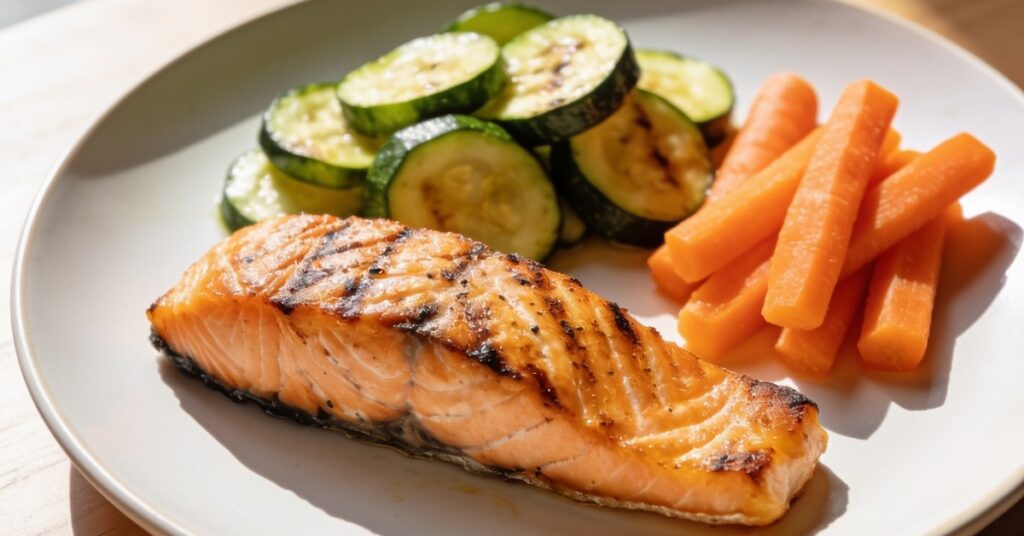
- Focus your meal prep on lean proteins like poultry, fish, and eggs.
- Stock up on safe, non-starchy vegetables like zucchini, carrots, and spinach.
Utilising these resources helps you navigate the complexities of your daily nutrition without the guesswork that usually leads to unwanted flares. Monash University researchers have spent years refining this data, ensuring that your Diet For SIBO is grounded in rigorous scientific evidence rather than internet trends or anecdotal hearsay. By sticking to these guidelines, you create a baseline of stability that allows you to observe how your body reacts to specific food groups, which is a vital skill for any guy trying to master his own physiology.
Strategic Food Selection and Avoidance for SIBO Patients
To effectively starve the bacterial overgrowth in your small intestine, you must strictly remove high-fermentation triggers from your daily routine. The following table breaks down what needs to leave your pantry immediately to ensure your progress remains on track:
| Category | Avoid These Triggers |
|---|---|
| Legumes | Lentils, chickpeas, kidney beans, black beans, soybeans, pinto beans, peas |
| Grains/Dairy | Wheat, rye, milk, ice cream, soft cheeses |
| Produce | Apples, cherries, peaches, pears, watermelon, asparagus, cauliflower, mushrooms, onions, cabbage, Brussels sprouts |
| Additives | High-fructose corn syrup, agave, honey, mannitol, sorbitol, sucralose |
Consistency here is the difference between a successful recovery and a frustrating cycle of recurring symptoms. If you find yourself craving these items, remember that this is a temporary investment in your long-term health. Cutting these out creates an inhospitable environment for the overgrowth, effectively starving the bacteria and reducing the production of hydrogen and methane gases that cause distension. You are essentially recalibrating your system, and the discipline you show in the kitchen today will pay dividends in your energy levels and focus tomorrow.
Evaluating the SIBO Specific Diet and Fermentation Approaches
The SIBO Specific Diet is a hybrid approach that categorises foods into vegetables, fruits, legumes, and beans based on their fermentation potential, using a colour-coding system to guide your choices. In this system, green represents foods that are least fermentable or are both SCD legal and low-FODMAP, while light yellow denotes SCD legal/moderate-FODMAP options, darker yellow signifies SCD legal/high-FODMAP, and red highlights SCD illegal/highly fermentable items. While this diet is popular, remember that no single diet is proven to treat SIBO in every patient, and other approaches like the Specific Carbohydrate Diet (SCD) or the Gut Psychology Syndrome (GAPS) diet may also be discussed by clinicians depending on your individual profile. Choosing the right Diet For SIBO often requires adjusting these frameworks to fit your specific breath test results and clinical history, which is why working with a professional who understands these nuances is a smart move for any serious health-seeker.
The Role of the Elemental Diet in Clinical Treatment
The elemental diet is a potent clinical intervention that replaces all solid food for one to three weeks with a pre-digested liquid formula, effectively normalising breath tests in 73% to 80% of patients. Clinical research published by the Cedars-Sinai Medical Center supports this pathway as a primary eradication method for severe cases. Important: This is a medical treatment, not a lifestyle hack; please do not attempt this without strict supervision by a physician or a registered dietitian, as it is designed to eradicate bacteria rather than serve as a permanent diet. While the prospect of consuming only a formula for two weeks might sound daunting, it is a highly effective way to clear a slate that has been muddied by persistent overgrowth. After the treatment, the focus shifts to preventing recurrence, which means addressing the factors that allowed the overgrowth to exist in the first place, such as sluggish transit times or structural gut issues.
Successfully Reintroducing Foods After the SIBO Protocol
You should begin reintroducing foods only after you have experienced minimal symptoms for at least three days. Follow this step-by-step process to track your tolerance safely:
- Select one high-FODMAP food group to test.
- Day 1: Eat a small or moderate amount of the challenge food.
- Day 2: Double the portion size used on Day 1.
- Day 3: Triple the portion size used on Day 1.
- Rest: Take a 2-3 day break to monitor your body’s response before the next challenge.
Make sure to use the Monash FODMAP App to log every challenge food and the specific dose, as this symptom duration data will be invaluable for building your long-term, personalised maintenance diet. Treating this phase like a scientific experiment allows you to take the emotion out of the process; if a food triggers you, it is simply a data point, not a failure. Over the course of six to eight weeks, you will gradually build a list of „safe” foods that you know you can enjoy without repercussions, providing you with the freedom to live your life without constant anxiety about what you are eating.
SIBO Diet vs Low Fermentation Diet for Long-Term Health
A low fermentation diet is often less restrictive than the low-FODMAP approach and places a unique emphasis on meal spacing to reduce the risk of SIBO recurrence. While both diets aim to minimise the intake of carbohydrates that ferment in the small intestine, the low fermentation model focuses specifically on reducing high-fermentation foods to keep the gut environment stable. Many guys wonder if cutting out carbs completely is the way to go, but from my experience, it’s all about finding a sustainable balance that keeps your energy levels high while keeping the bacteria low. Incorporating techniques like proper meal spacing—giving your gut a full 4-5 hours between meals to initiate the migrating motor complex—can be just as important as the specific foods you choose to avoid. This rhythm helps clean the small intestine, acting as a natural broom that keeps bacterial populations in check.
Frequently Asked Questions
Can exercise help improve SIBO recovery?
Yes, light to moderate exercise can support gut motility, which is essential for preventing bacterial stagnation in the small intestine. Avoid high-intensity training during flare-ups, as this can temporarily increase stress on the digestive system.
Should I take probiotics while on a SIBO diet?
Consult your physician before adding probiotics, as certain strains can sometimes exacerbate bacterial overgrowth in the small intestine. Many experts recommend waiting until the overgrowth is under control before introducing targeted probiotic therapy.
How does stress impact SIBO symptoms?
Stress can significantly impair gut motility and alter the chemical environment of your digestive tract, often worsening bloating and discomfort. Implementing mindfulness practices or breathing exercises can help regulate your nervous system and support better digestive function.
Is it necessary to have follow-up breath tests?
Follow-up testing is often recommended to objectively measure the reduction of bacterial levels and ensure your treatment protocol is working as intended. It provides a clear metric for your progress and helps decide when it is safe to move toward a more varied diet.
Treat this process as a structured journey of discovery rather than a restrictive burden, and always prioritise professional guidance to ensure your gut health remains the top priority. Consistency in your food challenges and meal timing is the most reliable way to regain your freedom and long-term vitality.