Maintaining skin health is a vital component of your overall physical conditioning, yet dealing with the irritation of peeling skin after a sunburn can be both a physical distraction and a mental hurdle. In this guide, you will learn evidence-based strategies to manage your recovery, understand the biological timeline of healing, and master the practical steps required to protect your skin effectively. By following these expert recommendations, you can take control of your recovery and get back to your routine with confidence.
The most effective way to address how to stop sunburn peeling from worsening is to immediately cool the skin, reduce inflammation through medication, and provide consistent, non-occlusive hydration. You cannot stop the body from shedding dead cells if the damage is already done, but by avoiding irritants and maintaining proper moisture levels, you can prevent the peeling from becoming deeper, more painful, or prone to infection. The goal is to support your skin’s natural regenerative process rather than trying to force it to recover unnaturally, as patience is your best asset during the healing phase.
How to stop sunburn peeling
Understanding and Treating Sunburn Peeling
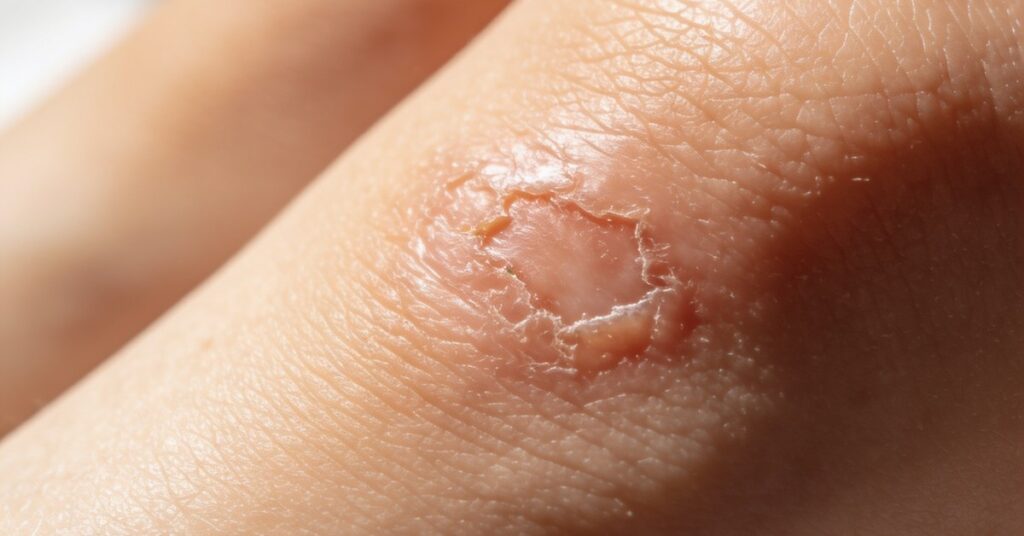
If you have spent too long in the sun, your skin may feel hot, sore, and painful to the touch. As the healing process begins, you might experience peeling. This is simply the body’s natural method of shedding damaged surface cells due to UV exposure. Peeling occurs because the epidermis has sustained injury, and your system is working to replace those damaged layers with healthy tissue underneath.
Immediate Actions to Soothe Inflamed Skin
Managing the recovery process requires a gentle touch to avoid infection or further irritation. Immediate steps you should take include:
- Cool the skin: Take a cool—not ice-cold—bath or shower for ten to fifteen minutes.
- Gentle drying: Pat your skin dry softly with a clean towel; do not rub the area.
- Hydration: Apply a fragrance-free, hydrating lotion or high-quality aloe vera gel several times throughout the day to keep the area supple.
- Pain management: Over-the-counter anti-inflammatory medications or creams may help reduce swelling and discomfort.
Prohibited Actions During Recovery
Certain habits can hinder your recovery or increase the risk of infection. You must avoid the following:
- Never pick or scrub at shedding skin; allow it to fall away naturally as new skin forms.
- Do not apply petroleum-based products or jelly to a fresh burn, as these can trap heat.
- Avoid using ice or ice packs directly on the skin.
- Do not pop any blisters that may form.
- Refrain from scratching the affected areas.
Managing the Urge to Peel
If you find it difficult to leave your skin alone, try wearing loose-fitting clothing to cover the area. This prevents accidental snagging and helps protect the raw, underlying skin from environmental irritants whilst it heals.
When to Seek Professional Medical Advice
Severe cases of sunburn may require specialised medical intervention, such as professional burn creams or dressings, which should be administered by a GP or practice nurse. If you are concerned about the severity of your burn, please consult reputable medical sources or healthcare professionals for tailored treatment options and guidance.
Immediate Steps to Soothe and Protect Damaged Skin
You can manage the initial discomfort of a sunburn by taking a cool shower or bath for 10–15 minutes, which helps draw heat away from the skin and provides immediate sensory relief. It is critical that you avoid using ice or ice packs, as the extreme temperature can cause further trauma to the already compromised tissue. Ever found yourself in a similar spot, staring at a bright red shoulder and wondering what the hell to do next? Just keep it simple and cool; your body knows how to repair itself if you stop adding stress to the system.
To further manage the reaction, you may use over-the-counter hydrocortisone cream for up to one week to calm the skin. For systemic pain relief, non-steroidal anti-inflammatory drugs like aspirin, ibuprofen, or naproxen are highly effective at lowering inflammation. Most importantly, do not pop any blisters that may form, as they act as a natural, sterile barrier; additionally, avoid scratching or picking at any skin that has begun to peel, as this increases the risk of infection and potential scarring.
Important: Never use petroleum-based or oil-based creams on a fresh burn, as these trap heat and turn your skin into an oven. If you are unsure about which specific products are safe for your skin type, I recommend consulting the NHS Sunburn Guide for expert advice on healing creams that align with professional medical standards.
Optimising Hydration for Faster Skin Recovery
Hydrating your skin after a sunburn requires both internal fluid intake and the application of specific, non-perfumed topical moisturisers to prevent excessive dryness. You should aim to consume at least eight 8-ounce glasses of clear liquids per day to support your body from the inside out, as dehydration often accompanies significant sun exposure. Knowing how to stop sunburn peeling starts with understanding that your skin is an organ that requires adequate water to rebuild its protective barrier.
| Product Type | Recommended Use | Avoid |
|---|---|---|
| Moisturisers | Lanolin, mineral oil, dimethicone | Petroleum jelly, fragrance-heavy lotions |
| Pain Relief | Ibuprofen, Naproxen | Topical numbing agents (lidocaine) |
| Cooling | Aloe vera, Soy-based lotions | Ice packs, direct frozen contact |
The Role of Aloe Vera to Slow Sunburn Peeling
Aloe vera helps by actively hydrating the skin and reducing inflammation, which can slow or reduce the skin’s peeling process. While peeling usually starts about three days after a sunburn, consistent application of pure aloe vera can make the transition much smoother and less painful for the individual. Many guys underestimate the healing power of simple botanical extracts, but in my experience, keeping the skin supple with high-quality gel is a game-changer.
According to a Medical News Today article updated on 24 July 2023 and reviewed by Cynthia Cobb, DNP, APRN, WHNP-BC, FAANP, moisturizing with aloe vera or soy-based products is the standard recommendation for treating peeling skin. By integrating these products into your daily recovery routine, you provide your skin with the botanical support it needs to repair its cellular structure efficiently.
Preventing Future Sunburn Damage and Peeling
You can prevent the cycle of sunburn and peeling by prioritising consistent sun protection, such as wearing clothing that covers vulnerable areas and applying sunscreen with an SPF of 30 or higher. Prevention is not just about avoiding the pain of a burn; it is about maintaining skin integrity and ensuring long-term health, which is a cornerstone of any disciplined fitness and lifestyle routine. Learning how to stop sunburn peeling is essentially a masterclass in respecting your body’s limits while enjoying the outdoors.
During the recovery phase, follow these steps to ensure your skin remains protected:
- Avoid using harsh soap on the affected area.
- Skip active exfoliation until the skin is fully healed.
- Keep the area covered with loose, breathable clothing.
When to Seek Professional Medical Advice for Sunburn
You must seek professional medical attention if your sunburn symptoms escalate into a systemic health crisis, such as a fever over 103°F (39.4°C) accompanied by vomiting. These signs can indicate heat exhaustion or a more severe reaction that requires urgent clinical oversight rather than simple home care.
Additionally, contact NHS 111 for urgent medical advice if you notice blisters covering more than 20% of your body or if the sunburn itself covers more than 15% of your body. Seek immediate help if you experience confusion, signs of severe dehydration, or indications of infection, such as pus or spreading redness, or if your symptom duration lasts longer than 48 hours without showing signs of improvement.
Frequently Asked Questions
Is it safe to use coconut oil on peeling skin?
You should generally avoid heavy oils like coconut oil during the initial inflammatory phase of a sunburn. Stick to lighter, water-based lotions or pure aloe vera to ensure your skin remains breathable while it heals.
Does wearing makeup over a sunburn affect the peeling process?
Applying makeup over a fresh sunburn can trap heat and block pores, potentially leading to further irritation or breakouts. It is best to let your skin breathe and focus entirely on gentle, fragrance-free hydration until the surface has fully recovered.
Can drinking extra water actually reduce the amount of peeling?
Yes, maintaining high levels of systemic hydration helps your body’s cells recover more efficiently. While it won’t stop the biological process of shedding damaged cells, it prevents the skin from becoming excessively brittle, which can make the peeling look and feel worse.
How can I protect my skin from further UV damage while it is already peeling?
The best approach is to physically cover the affected areas with lightweight, UV-protective clothing. Because your new skin is highly sensitive, avoid direct sun exposure entirely until the peeling has finished and the skin has regained its natural barrier strength.
Consistency in applying fragrance-free, non-occlusive moisturisers is the most reliable way to support your skin’s natural healing. Respect your body’s recovery timeline and resist the urge to pick at peeling areas, as letting the skin shed naturally is the safest way to ensure a full and healthy recovery.