Understanding whether your blood pressure is responsible for your light-headedness is a critical step in mastering your physical health and maintaining the mental clarity required for your daily performance. In this article, you will learn to distinguish between common medication side effects and genuine medical emergencies, ensuring you know exactly how to interpret your symptoms and when to take decisive action. By cutting through the confusion, I will help you take back control of your well-being with clear, evidence-based guidance.
To answer your primary concern immediately: high blood pressure rarely causes dizziness directly. Many people ask, „Will High Blood Pressure Cause Dizziness” when they feel a sudden wave of light-headedness, but the reality is that hypertension is often a silent condition. While many people associate light-headedness with a spike in blood pressure, it is statistically uncommon for the condition itself to manifest this way. Most hypertension cases are asymptomatic, meaning you could have dangerously elevated systolic blood pressure without feeling a single physical warning sign. If you are experiencing dizziness, it is far more likely to be a secondary effect of your lifestyle, your current medication, or an unrelated underlying health issue.
Will high blood pressure cause dizziness?
Understanding the link between hypertension and dizziness
While arterial hypertension is frequently referred to as a „silent killer” due to its lack of visible symptoms, many individuals wonder if it can induce sensations of light-headedness. Generally, high blood pressure itself does not directly result in dizziness; however, a connection does exist through several indirect mechanisms.
Why dizziness may occur
Dizziness in the context of high blood pressure is often attributed to factors such as:
- Significant fluctuations in blood pressure levels.
- Narrowing of the arteries, which can impede optimal blood supply to the brain.
- Side effects arising from the use of prescribed antihypertensive medications.
When to seek urgent medical attention
Although dizziness is not a typical hallmark of stable high blood pressure, it can occasionally signal a medical emergency. You should seek immediate professional help if you experience sudden or severe dizziness, especially when accompanied by any of the following warning signs:
- An exceptionally intense, sudden headache.
- Blurry or impaired vision.
- Pain or discomfort in the chest.
- Unexplained physical weakness or numbness.
The importance of regular screening
Because the vast majority of people with elevated blood pressure experience no symptoms at all, they may remain entirely unaware of their condition. Regular health checks are essential for early detection. If you are concerned about persistent dizziness or are worried about your cardiovascular health, it is advisable to consult a healthcare professional, such as a GP, to obtain a proper diagnosis and guidance based on evidence-based medical literature.
Addressing The Myth: Will High Blood Pressure Cause Dizziness Directly
High blood pressure does not usually cause dizziness; this is a widely held misconception that often leads to unnecessary alarm. In fact, preventive cardiologist Luke Laffin has explicitly stated that dizziness is not a typical symptom of hypertension. Ever found yourself in a similar spot, worrying that every dizzy spell is a heart attack waiting to happen? Relying on how you „feel” to gauge your blood pressure is a dangerous strategy, as the condition is notoriously silent. When people search for „Will High Blood Pressure Cause Dizziness”, they are often seeking a simple explanation for a complex physiological event that rarely links directly to the pressure in their arteries.
The confusion often stems from the fact that dizziness can be a frequently reported side effect in major hypertension treatment trials, such as the Valsartan Antihypertensive Long‐Term Use Evaluation (VALUE). For those seeking reliable information, the following table compares common myths versus medical reality:
| Myth | Medical Reality |
|---|---|
| Dizziness is a standard hypertension symptom. | High blood pressure is usually silent. |
| Feeling light-headed means high pressure. | Often, light-headedness indicates low pressure. |
| You can judge BP by how you feel. | You need a monitor for accurate data. |
When Dizziness Becomes A Medical Emergency Due To High Blood Pressure
Dizziness becomes a medical emergency primarily when it acts as a precursor to a hypertensive crisis or a serious neurological event. If you experience sudden, unexplained dizziness, you must assess the context of your physical state immediately. While it is rare, failing to distinguish between benign light-headedness and a genuine crisis can be a fatal oversight.
Recognizing The Signs Of A Hypertensive Crisis
A hypertensive crisis is a life-threatening surge in blood pressure. If you feel these physiological warning signs, it is vital to treat them as an indication of a critical failure in your cardiovascular regulation.
- Intense anxiety or panic
- Sudden confusion or disorientation
- Persistent nausea or vomiting
- Blurred vision or visual disturbances
Identifying Potential Stroke Indicators
Sudden or severe dizziness is a red-flag symptom that can signal an impending or ongoing stroke. You must seek urgent medical attention if your light-headedness is coupled with sudden weakness, numbness in your face, arms, or legs, or any difficulties with speech. Important: If chest pain is accompanied by feeling light-headed, sick, sweaty, or short of breath, call 999 immediately as these are clear indicators that your brain or heart is not receiving the oxygenated blood it requires to function safely.
How Antihypertensive Medication Can Cause Dizziness
Dizziness is most frequently caused by the very medications prescribed to treat high blood pressure, accounting for approximately 5 percent of all reported drug side effects. When medication lowers your blood pressure too quickly, your brain may experience a temporary reduction in oxygen supply. In my own experience, when I first started managing my cardiovascular health, I learned the hard way that adjusting dosages requires patience and constant monitoring; rushing this process often leads to that „spinning room” sensation. If you are wondering „Will High Blood Pressure Cause Dizziness” after starting a new script, the answer is almost certainly that the medication is doing its job a bit too well.
- Consult your GP before changing any medication dosage.
- Keep a daily log of your readings and symptom duration.
- Note the timing of your dizziness relative to when you take your pills.
Distinguishing Low Blood Pressure From High Blood Pressure Symptoms
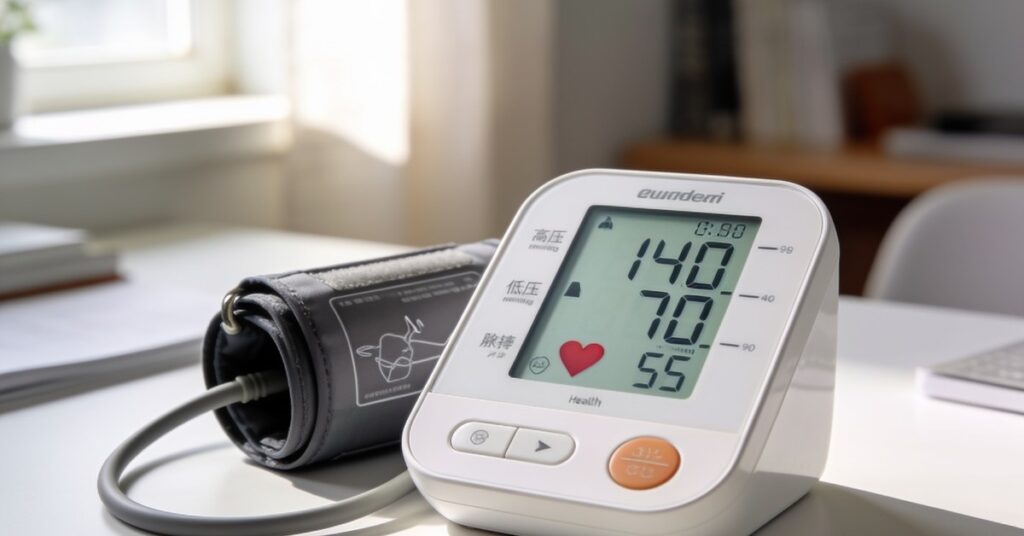
Dizziness is a recognised, classic symptom of low blood pressure (hypotension), defined as a reading of less than 90/60 mmHg. High blood pressure is clinically defined as readings over 140/90 mmHg. Because normal blood pressure is less than 120/80 mmHg, it is essential to monitor your actual numbers rather than guessing based on how you feel.
One specific form of hypotension is postural hypotension, where you feel dizzy upon standing up or changing position. To ensure you are accurately tracking your heart rate and pressure, follow these steps:
- Sit quietly for five minutes before taking a measurement.
- Ensure your back is supported and feet are flat on the floor.
- Take two readings, one minute apart, to ensure accuracy.
Knowing When To Consult A Doctor For Dizziness
You should consult a GP if your dizziness does not go away, keeps coming back, or is accompanied by specific neurological or physical warning signs. Do not ignore persistent symptoms, especially if they interfere with your ability to perform daily tasks or exercise.
Remember: Seek urgent medical care for blood pressure readings of 180/120 mmHg or higher accompanied by dizziness, or for sudden dizziness with readings of 145/95 mmHg or higher. Additionally, make an appointment if you experience hearing loss, tinnitus, fainting, collapsing, or sudden changes to your pulse.
Frequently Asked Questions
Can dehydration mimic the feeling of dizziness associated with blood pressure issues?
Yes, dehydration can cause a drop in blood volume, leading to light-headedness that feels similar to hypotension. It is important to maintain adequate fluid intake to ensure your cardiovascular system functions optimally.
Do lifestyle factors like caffeine intake influence blood pressure dizziness?
Caffeine can cause temporary spikes in blood pressure, which might lead to palpitations or light-headedness in sensitive individuals. Monitoring your intake can help you determine if your symptoms are linked to stimulants rather than chronic hypertension.
Is vertigo the same as the dizziness caused by medication side effects?
Vertigo is a specific sensation of spinning, whereas medication-induced dizziness is often described as feeling faint or light-headed. Distinguishing between the two can help your doctor pinpoint whether the issue is vestibular or related to blood flow regulation.
Should I stop my medication if I feel dizzy after taking it?
Never stop your medication without speaking to your GP, as this can cause dangerous rebound hypertension. Instead, contact your surgery to discuss a potential adjustment to your dosage or a switch to a different treatment class.
Always prioritise tracking your actual blood pressure readings over subjective feelings, as data is your most reliable tool for staying safe. You have the power to take control of your cardiovascular health, so never hesitate to reach out to your GP whenever you feel uncertain about your symptoms.