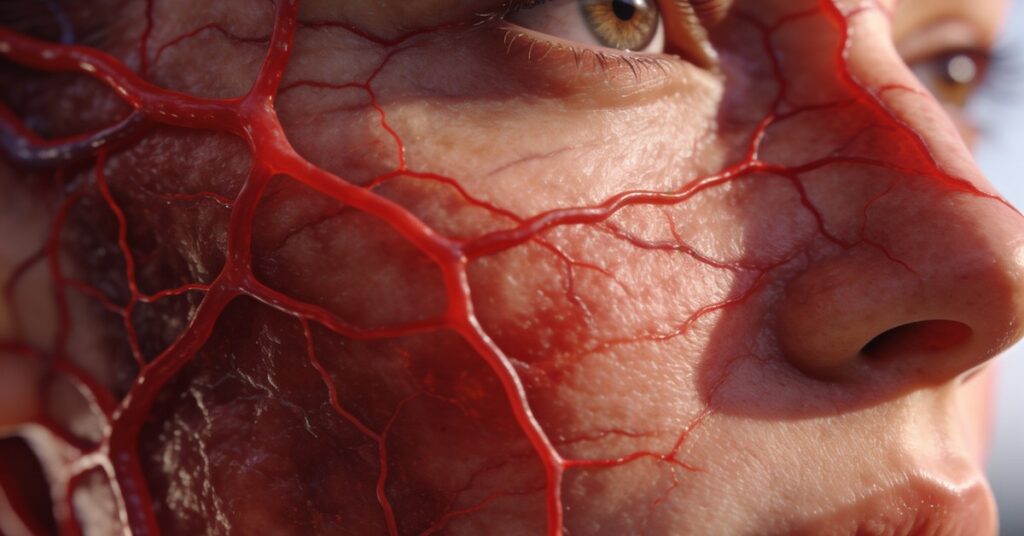
Understanding why your face suddenly flushes is essential for maintaining both your physical health and your confidence during high-pressure situations. In this guide, I will break down the common lifestyle, medical, and psychological triggers behind this reaction so you can identify the cause and know exactly how to manage it. You will gain the clarity needed to distinguish between a harmless temporary response and a sign that your body requires professional attention.
At its core, facial flushing is a physical response triggered by the dilation of blood vessels near the skin’s surface, often caused by external lifestyle factors, internal hormonal shifts, or underlying medical conditions. When investigating Face Flushed Causes, you will find that your body is simply responding to a stimulus by increasing blood flow to the face. Identifying the specific trigger is the most effective way to manage or prevent these episodes from impacting your daily life.
Face flushed causes
Understanding Facial Flushing
Facial flushing describes a rapid reddening of the skin across the face, neck, or upper chest. This physiological response occurs when superficial blood vessels expand, allowing a greater volume of blood to circulate through these areas. It is distinct from temporary blushing, as flushing typically manifests as a more intense and widespread crimson hue.
Primary Triggers and Causes
Numerous factors can stimulate the dilation of cutaneous blood vessels. Common contributors to this reaction include:
- Intense emotional states, such as severe anxiety or deep embarrassment.
- The consumption of alcoholic beverages.
- Exposure to extremely hot temperatures or the intake of spicy culinary dishes.
- Engaging in strenuous physical activity.
- Fluctuations in hormonal levels, particularly during menopause.
- Chronic dermatological conditions, such as rosacea.
- Neurological disturbances.
- Genetic predisposition, particularly regarding alcohol metabolism.
- Specific pharmaceutical side effects, including treatments for hypertension.
Managing Flushing and Medical Concerns
While often harmless, flushing can occasionally signify an underlying health problem. It is essential to distinguish between a routine reaction and a medical emergency.
You should seek immediate emergency medical assistance if your facial redness is concurrent with:
- Significant difficulty in breathing.
- Episodes of dizziness or light-headedness.
- The onset of a sudden, severe headache.
- High fever.
When to Consult a Professional
If you find that facial flushing is becoming a persistent issue or significantly impacting your daily life, it is advisable to schedule an appointment with a dermatologist or a primary care physician. Early professional consultation helps in ruling out systemic issues, identifying potential allergic reactions, or managing chronic skin sensitivity.
Common Lifestyle and Dietary Triggers for Face Flushed Causes
Lifestyle-related flushing is typically the result of direct physical or dietary stimuli that force your cardiovascular system to react by widening facial capillaries. Common culprits include consuming spicy or sour foods, eating meals that are thermally hot, or ingesting substances like nitrites, sulfites, citrus fruits, and excessive amounts of Niacin. Furthermore, vigorous exercise and rapid shifts in environmental temperature are frequent triggers that cause sudden, temporary redness.
| Trigger Category | Common Examples |
|---|---|
| Dietary | Spicy food, sour food, nitrites, sulfites |
| Environmental | Sudden temperature changes, heat exposure |
| Physical | Vigorous exercise, excessive Niacin intake |
The Science of Alcohol-Induced Face Flushed Causes
Alcohol consumption causes facial flushing primarily through the accumulation of acetaldehyde, a toxic byproduct that triggers the release of histamine. Your body normally uses an enzyme called alcohol dehydrogenase (ADH) to convert alcohol into acetaldehyde, which is then broken down into harmless molecules by aldehyde dehydrogenase (ALDH). If you have inherited variations in the ADH1B and ALDH2 genes, this process is disrupted, leading to Peripheral Vasodilation and visible flushing. Ever found yourself in a similar spot after just one drink?
The Psychological Link Between Anxiety and Face Flushed Causes
Facial flushing is a proven physical manifestation of anxiety and panic attacks, occurring when your nervous system triggers the release of stress hormones like Cortisol and adrenaline. According to the Cleveland Clinic and AnxietyCentre.com, these hormones force blood vessels to dilate, leading to redness that can spread across the face, head, neck, ears, scalp, hands, arms, legs, and back. Dr. Magnus Lynch notes that for individuals already prone to rosacea, even minor psychological stress acts as a potent catalyst for these episodes.
Underlying Medical Conditions and Hormonal Shifts
Persistent or sudden flushing can signal an endocrine or systemic health issue that goes beyond simple lifestyle factors. Hormonal imbalances significantly disrupt the hypothalamus, the body’s internal thermostat, leading to episodes often seen in conditions like hyperthyroidism, Cushing’s syndrome, and diabetes. Additionally, medical conditions such as rosacea, fever, anaphylaxis, carcinoid syndrome, mast cell activation syndrome (MCAS), and Parkinson’s disease are clinically documented causes of frequent facial redness.
Managing Hormonal Fluctuations and Face Flushed Causes
Hormonal changes, particularly the fluctuating levels of estrogen and progesterone during pregnancy or menopause, frequently disrupt temperature regulation. Menopausal hot flashes and subsequent flushing are common, often appearing in the late 30s and 40s, and can occur as many as 20 times per day. These episodes typically last between 30 seconds and 5 minutes, serving as a direct result of endocrine instability that requires careful management in consultation with your healthcare provider.
Medications Known to Cause Flushing
Certain pharmaceutical agents can induce facial flushing as a direct side effect by interacting with your vascular system. Common medications associated with this reaction include cardiovascular drugs like Diltiazem (Tiazac) and Nitroglycerin, as well as treatments for erectile dysfunction such as Sildenafil, Vardenafil, and Tadalafil. Other substances, including Morphine and Tamoxifen, are also known to trigger this response, so always review your current prescriptions if you notice a sudden, recurring pattern of redness.
When to Consult a Healthcare Professional
You should seek medical advice for persistent flushing if it occurs without a clear trigger or if it disrupts your everyday quality of life. From my own experience, tracking your symptoms is the smartest move you can make before heading to the clinic; it takes the guesswork out of the conversation with your doctor.
Important: Seek immediate medical attention if redness is accompanied by wheezing, difficulty breathing, or diarrhoea, as these may indicate a systemic reaction like anaphylaxis.
- Keep a detailed log of your flushing: note the time, duration, and potential triggers.
- Monitor the Symptom Duration to see if episodes are becoming more frequent.
- Consult your GP if you notice skin thickening or severe, persistent itching.
- Review any new supplements or medications with your doctor to rule out side effects.
By keeping a rigorous log of your daily habits, you can effectively pinpoint the specific Face Flushed Causes that trigger your personal reaction. Staying proactive with symptom tracking remains the most reliable way to distinguish between harmless temporary heat and conditions that truly require a doctor’s intervention.
Frequently Asked Questions
Is facial flushing a permanent condition?
No, facial flushing is typically a temporary reaction to specific stimuli rather than a permanent state. However, if the underlying cause is a chronic condition like rosacea, the redness may recur frequently unless properly managed.
Can cold weather trigger facial redness?
Yes, rapid changes in temperature, such as moving from freezing outdoor air into a warm indoor environment, can cause blood vessels to expand rapidly. This transition is a common environmental trigger for individuals with sensitive skin or existing vascular conditions.
Does dehydration contribute to facial flushing?
Dehydration can indirectly impact your body’s ability to regulate temperature, potentially making you more susceptible to overheating and flushing. Maintaining optimal hydration levels is essential for overall cardiovascular function and skin health.
Are there non-medical ways to soothe a flushed face?
Yes, applying a cool, damp cloth to the face can provide immediate relief by helping to constrict dilated blood vessels. Additionally, avoiding known triggers like spicy foods and managing stress levels will help reduce the frequency of future episodes.