If you have noticed unusual markings in your eyes, it is natural to be concerned about what they reveal regarding your long-term health and internal stress levels. In this guide, I will cut through the misinformation to explain exactly what these iris patterns are, how to distinguish natural variations from medical conditions, and when you truly need to seek professional advice. By the end, you will have the clarity and practical steps needed to take control of your eye health with confidence.
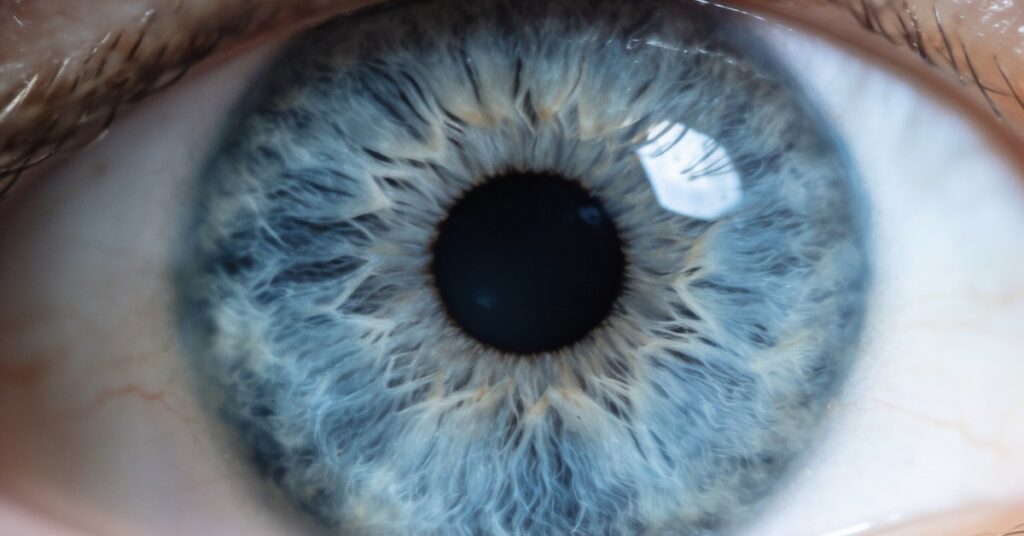
The most important thing to understand is that Stress Rings In Eyes are not a medical diagnosis, and they do not reflect your current psychological state. These visible markings, often called contraction furrows, are simply circular folds or wrinkles on the outer layer of the iris that occur naturally as part of your unique eye structure. Ever found yourself in a similar spot, worrying about a mark that turned out to be nothing more than biology doing its thing? While many people search for these rings hoping to find a link to their anxiety levels, the reality is that they are determined by genetics and anatomical development rather than your stress response.
Debunking The Myth Of Stress Rings In Eyes
The term Stress Rings In Eyes is a pseudoscientific concept rooted in iridology, a practice that has been thoroughly debunked by ophthalmologists and rigorous clinical studies. There is no scientific or medical evidence to support the claim that emotional or psychological stress causes the formation of distinct rings within the iris tissue. These concentric lines or grooves in the iris stroma are merely natural variations, and interpreting them as a readout of your mental health is fundamentally flawed and unsupported by modern medicine. When you look into the mirror and see these patterns, you are simply observing the complex, beautiful, and entirely normal architecture of your own eyes, which remains stable regardless of your day-to-day work pressures or emotional highs and lows.
Identifying Common Iris Patterns And Corneal Rings
You can identify the true nature of rings in your eye by observing their location, colour, and texture, as these features distinguish harmless anatomical variations from conditions that require medical oversight. Use this table to differentiate between common eye rings you might encounter in your daily life:
| Condition | Appearance | Cause |
|---|---|---|
| Contraction Furrows | Concentric lines or grooves | Natural iris anatomy |
| Corneal Arcus | Grey/white outer ring | Lipid/cholesterol deposits |
| Kayser–Fleischer Rings | Brown/gold peripheral circle | Copper buildup (Wilson’s Disease) |
Contraction furrows, which are often mistaken for stress-related markings, appear as circular, concentric lines or grooves within the iris and are typically easiest to see in individuals with lighter-coloured eyes. Conversely, a corneal arcus appears as a distinct grey, white, or light-blue ring along the outer edge of the cornea, while Kayser–Fleischer rings present as brown, green, or gold circles specifically in the peripheral cornea. These latter two conditions signify different internal processes; for example, Kayser–Fleischer rings are caused by a copper buildup in the eye tissue, which is clinically linked to Wilson’s Disease. Recognizing these distinct categories ensures you do not waste time worrying about structural anatomy when you should be paying attention to your systemic health markers.
How Your Lifestyle Impacts Eye Health And Stress Rings In Eyes
While iris patterns are not linked to your emotions, chronic stress triggers the release of cortisol and adrenaline, which can influence your visual comfort and overall eye health. Research published in 2018 by BA Sabel, which has been cited 309 times, highlights how mental stress can correlate with broader changes in vision. Furthermore, intense periods of pressure often manifest as lid myokymia, the medical term for the annoying eye twitching many of us experience when overworked. To protect your vision during high-stress periods, adopt the 20-20-20 rule:
- Every 20 minutes, set a timer or mental reminder.
- Look away from your monitor at an object at least 20 feet away.
- Hold your gaze for 20 seconds to allow your ocular muscles to relax.
It is important to remember that while Stress Rings In Eyes are a myth, the physical impact of your lifestyle on your eyes is very real. If you spend your days glued to a screen, the resulting eye strain can make your eyes feel tired, dry, and irritated, which often makes people scrutinize their iris more closely, looking for „damage” that simply isn’t there. By taking consistent breaks and ensuring your workstation is ergonomically sound, you can reduce the physical tension that leads to discomfort, effectively managing the symptoms of a high-pressure lifestyle without attributing them to imaginary iris changes.
Managing Real Eye Conditions And Systemic Health
There is no cure or treatment for arcus senilis, and it will not disappear on its own or through the use of eye drops, because it is caused by cholesterol and lipid deposits rather than a temporary ailment. If you notice this grey or white ring, it serves as a practical indicator that you should consult an eye care professional to evaluate your systemic cholesterol or triglyceride levels. Dealing with stress after a tough day at work is normal—it’s important to give yourself time to decompress through meditation or light exercise rather than obsessing over eye patterns. Because these conditions are physical and not psychological, the solution lies in medical management and lifestyle adjustments rather than stress-reduction techniques alone.
Important: If you see rainbow-like coloured rings around lights, this is a potential symptom of acute glaucoma. This is a medical emergency that requires immediate professional attention, so do not wait for it to pass or try to treat it with home remedies.
When To Seek Professional Medical Advice
You should consult a medical professional immediately if you notice a sudden change in the colour of one or both eyes, or if you experience persistent symptoms that disrupt your daily life. Follow these steps to ensure you are getting the right care:
- Use the NHS Service Finder to locate a registered optometrist in your area.
- Book a comprehensive exam where the doctor uses slit-lamp and retinal imaging.
- Be prepared to discuss your family medical history and any recent changes in your vision.
- If you experience sudden flashes or floaters, visit an emergency eye clinic immediately.
Understanding Diagnostic Procedures
Optometrists and ophthalmologists rely on clinical tools to distinguish between benign iris patterns and serious systemic issues. During a standard eye exam, they use a slit-lamp to examine the anterior segment of the eye, which allows for a high-magnification view of the iris stroma and the peripheral cornea. Retinal imaging is also employed to ensure that the internal structures, such as the retina, are healthy and free from conditions like Central Serous Chorioretinopathy (CSC), which is a retinal issue sometimes associated with high stress levels. Relying on these professional diagnostic methods is the only way to ensure your eyes are healthy, as self-diagnosis based on internet myths often leads to unnecessary alarm.
Conclusion
Taking care of your eyes requires a commitment to evidence-based health rather than following pseudoscientific trends. While it is natural to want a physical sign to explain how you feel, these iris patterns are not the indicator of anxiety that some claim them to be; they are simply a part of your genetic makeup. If you are concerned about any changes in your vision, the most proactive approach is to schedule a professional eye exam, manage your cardiovascular health, and focus on proven ways to reduce stress, such as heavy lifting or regular cardiovascular activity. Your vision is a vital asset—treat it with the professional care it deserves and ignore the noise of unverified health claims.
Always rely on a qualified optometrist to interpret any visible iris changes, as they possess the clinical tools necessary to distinguish between harmless anatomical variations and actual medical concerns. Prioritize active stress management through physical health and regular professional screenings to ensure your vision remains sharp for years to come.
Frequently Asked Questions
Are these markings a sign of high blood pressure?
No, there is no direct link between iris contraction furrows and high blood pressure. If you are concerned about your blood pressure, you should monitor it using a standard cuff and consult your GP for a formal medical assessment.
Can eye colour change due to stress?
No, the actual pigment of the iris does not change due to emotional or psychological stress. If you notice a sudden, noticeable change in the colour of your eye, it is essential to see an eye doctor immediately to rule out underlying pathologies.
Do vitamins help clear up iris rings?
No, vitamins or dietary supplements cannot remove physical structures or lipid deposits in the eye. While a balanced diet is excellent for your overall ocular health, it will not erase established patterns like corneal arcus.
Is it normal for iris patterns to look different in each eye?
Yes, it is perfectly normal for the iris patterns to vary between your left and right eyes. Iris texture is highly individual, much like a fingerprint, and slight asymmetries are common and usually benign.