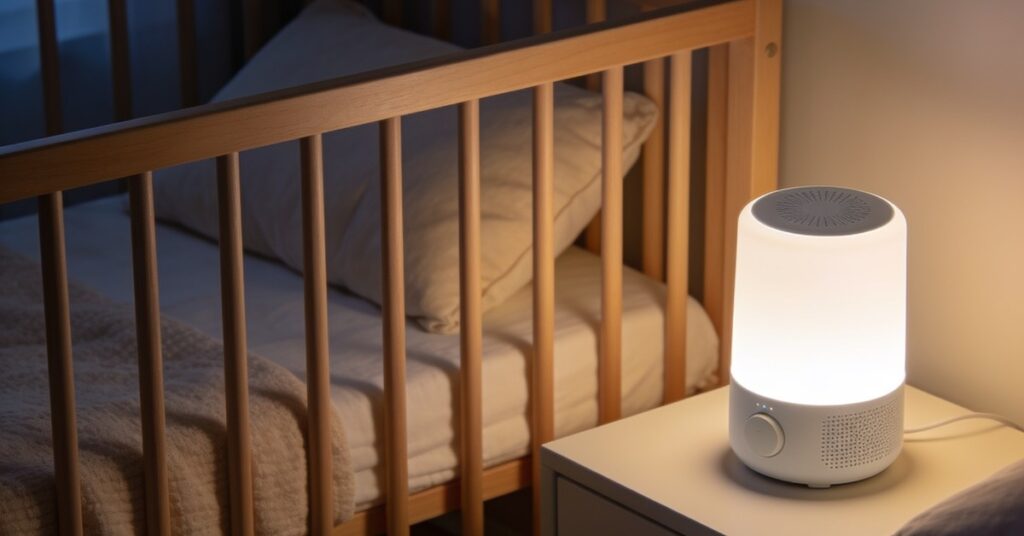
Prioritising your own mental clarity and physical recovery is nearly impossible when sleep deprivation hits, making the 6 Month Sleep Regression a critical challenge for any parent’s personal well-being. In this guide, I will provide you with the reliable insights needed to understand exactly what is happening, what to expect over the coming weeks, and how to implement practical, proven strategies to regain control of your household’s rest.
The 6 Month Sleep Regression is a temporary but intense period of disrupted sleep caused by rapid developmental leaps, typically spanning between 2 and 6 weeks. It is essentially a sign of your baby’s brain maturing as they hit major milestones like sitting up or rolling over, which often leads to increased night waking, fussiness, and a struggle to settle, even in babies who previously slept well.
6 month sleep regression
Understanding the six-month sleep regression
The six-month sleep regression refers to a transitory period—lasting anywhere between two and six weeks—during which an infant who previously maintained a consistent sleep schedule begins to experience difficulties. These issues often manifest as trouble settling at bedtime, frequent night awakenings, or significantly shortened nap times. This phenomenon is frequently associated with major developmental leaps, such as mastering the ability to roll over, sit up unaided, or begin babbling, alongside other stressors like teething or the emergence of separation anxiety.
Key indicators of sleep regression
Differentiating between a genuine sleep regression and other sleep disturbances can be challenging. Common signs to look out for in your six-month-old include:
- Increased restlessness when falling asleep.
- A sudden increase in night-time waking.
- Resistance to afternoon naps or waking up shortly after falling asleep.
- Increased clinginess or signs of separation anxiety.
Root causes of sleep disturbances
Sleep regressions are rarely triggered by a single cause. Instead, they are often the result of a confluence of developmental milestones. At six months of age, infants are reaching various physical and cognitive plateaus. It is important to remember that sleep patterns are frequently impacted by:
- The introduction of solid foods, which may influence digestion.
- Ongoing teething pain causing physical discomfort.
- Rapid social and cognitive development.
- Heightened sensitivity to their surroundings.
Strategies for managing sleep challenges
Successfully navigating this period requires patience and flexibility. Consider the following approaches to support your baby during this complex phase:
- Maintain a consistent bedtime routine to provide a sense of security.
- Create a restful environment with minimal distractions.
- Ensure your baby receives adequate physical activity during their waking hours to aid natural fatigue.
- Assess whether discomfort from teething or minor ailments is the primary cause of waking before assuming it is purely developmental.
Common misconceptions versus reality
| Myth | Fact |
|---|---|
| Every infant will inevitably endure a sleep regression at six months. | While common, sleep development varies significantly; not all babies exhibit the same symptoms. |
A professional perspective
It is essential to distinguish between a natural sleep progression and potential health issues. Always monitor your child for symptoms of illness, such as a fever or ear infection, which may manifest as sleep disruption. Should you have specific concerns regarding your baby’s health or wellbeing, consulting a paediatrician or a qualified healthcare professional is the most reliable way to obtain accurate guidance and ensure your child receives appropriate care. This information serves as general advice and is not a substitute for professional medical consultation.
Identifying The Signs Of 6 Month Sleep Regression
You can identify this regression by observing a sudden shift in your baby’s sleep architecture, which typically manifests between 3 and 9 months of age. Common indicators include your baby becoming increasingly clingy or crying at night, combined with a noticeable difficulty in falling asleep or staying asleep for their usual duration.
Recognising The Specific Behavioural Shifts
The core signs include shortened or skipped naps and frequent mid-sleep cycle waking that occurs sooner than the typical 40–50 minutes after falling asleep. While it is important to remember that 25–50% of babies this age still naturally wake overnight for feeds, the regression is marked by an intensity of fussiness and a departure from established patterns, despite the fact that babies in this age bracket are physically capable of sleeping for up to 15 hours in total.
Developmental Drivers And Causes Of 6 Month Sleep Regression
The primary causes of this sleep disruption are the rapid acquisition of new physical skills and the onset of separation anxiety, which peaks between 6 and 12 months. As your baby begins to roll over, sit up, crawl, or even attempt to walk and talk, their brain remains highly active, making it difficult for them to switch off and enter deep, restorative sleep.
Physical And Environmental Factors Impacting Sleep
Beyond neurological growth, physical factors such as teething and the introduction of solid foods play a significant role in disrupting sleep cycles. Furthermore, as your baby’s environmental awareness increases, they become more sensitive to external stimuli, necessitating adjustments to their daytime nap schedule and overall daily routine to accommodate their new cognitive capacity.
Differentiating The 6 Month Sleep Regression From Teething
Ever found yourself staring at the monitor wondering if it is a growth spurt or just a sore gum? Distinguishing between these two common issues helps you choose the right game plan.
| Feature | 6 Month Sleep Regression | Teething |
|---|---|---|
| Symptom duration | 2–6 weeks | 2–3 days per tooth |
| Primary Cause | Developmental milestones | Physical tooth eruption |
| Onset Range | 3–9 months | 4–7 months |
Proven Strategies To Handle 6 Month Sleep Regression
You can effectively manage this phase by maintaining consistent wake windows of 2–3 hours and creating a sleep-conducive environment that minimises distractions. By putting your baby down „drowsy but awake,” you encourage them to develop the self-soothing skills necessary to navigate the transition between sleep cycles independently.
Establishing A Robust Routine To Get Baby To Sleep
I’ve been there—pacing the floor at 3 AM wondering if I’d ever sleep again—but sticking to a solid process is what eventually gets you through. Follow these steps to regain control:
- Block out all daylight in the nursery to signal that it is time for rest.
- Use a white noise machine to mask external sounds.
- Remove physical props from the cot, such as musical toys or light-up items.
- Practice gradual withdrawal or the „pick-up-put-down” technique to offer comfort without creating new dependencies.
- Ensure your child is sleeping in their own cot for safety and routine reinforcement.
Important: If you notice your baby is struggling, always prioritise a consistent routine over quick-fix solutions that might create long-term sleep crutches.
When To Seek Professional Advice Regarding Sleep
You should consult a Health Visitor or your GP if you find that sleep disruption persists for over a month, as this may indicate an underlying issue beyond a typical developmental regression. While the 2–6 week window is the standard expectation for this phase, professional guidance is essential if the lack of sleep is severely impacting your own mental health or if the baby’s fussiness is accompanied by signs of illness.
Maintaining consistent wake windows is the most effective way to support your little one through this challenging phase. Trust in your routine and stay patient, knowing that this temporary 6 Month Sleep Regression will pass as your baby masters their new developmental skills.
Frequently Asked Questions
Should I stop night feeds during this regression?
It is generally recommended to continue night feeds if your baby still requires them for nutrition, as they may be burning more energy due to increased physical activity. However, you can consult a GP to ensure your baby’s growth is on track before attempting to phase out these feeds.
Can light-up toys in the cot affect sleep quality?
Yes, light-up toys and musical mobiles can provide too much stimulation and prevent your baby from settling into a deep sleep. It is best to remove these items entirely to create a dark, calm, and distraction-free environment for rest.
Is it normal for my baby to start crawling during this time?
Absolutely, reaching major milestones like crawling or pulling to stand often coincides with this sleep phase as the brain processes new motor skills. This surge in development is exactly why the brain struggles to disengage at night, leading to the temporary regression.
How do I know if the regression is actually teething?
Teething is typically identified by an increase in drooling, chewing on hands, and visible inflammation of the gums, whereas regression is more about sudden wakefulness and behavioural fussiness. If the disruption is accompanied by physical signs in the mouth, you may want to offer gentle teething relief alongside your standard sleep routine.