Ensuring your infant’s sleep safety is a fundamental pillar of your child’s long-term health and your own peace of mind as a parent. In this guide, I will walk you through the essential, science-backed protocols for infant positioning, helping you understand how to navigate developmental milestones while maintaining a secure sleep environment. You will learn exactly how to prepare your home and your mindset to manage sleep risks effectively and confidently.
The most critical takeaway for any parent is that babies should be placed exclusively on their backs for every nap and night-time sleep during their first 12 months of life. This remains the golden rule of infant care because stomach and side sleeping significantly increase the danger of Sudden Infant Death Syndrome (SIDS). While it is natural to worry about your baby’s comfort, their physiological safety must always take precedence over perceived preferences for sleep positions during their first year. Understanding the risks associated with infant sleep on tummy is the first step in creating a secure foundation for your child’s physical development and overall wellbeing.
Infant sleep on tummy
The safest sleeping position for your baby
To ensure the safety of your child, you must always place them on their back to sleep, both during daytime naps and at night-time. Placing infants on their stomachs is linked to a heightened risk of Sudden Infant Death Syndrome (SIDS). Nevertheless, once your baby develops the strength to roll from their back to their stomach and back again on their own—which typically occurs between the ages of four and seven months—it is generally considered safe for them to remain in the position they choose themselves.
Understanding the risks of tummy sleeping
Research regarding sleep-related infant mortality consistently reinforces that the supine position—commonly known as back-sleeping—is the safest method for an infant to sleep. Prioritising back-sleeping is vital for several key reasons:
- It keeps the airway unobstructed and clear.
- It prevents the re-inhalation of exhaled air, which can cause oxygen levels to drop.
- It helps regulate body temperature, preventing the risk of dangerous overheating.
- It ensures that infants are able to wake up more easily if needed.
Guidelines for the first twelve months
Healthcare professionals and experts unanimously advise that for the first year of life, babies should be laid down on their backs. This is particularly critical as SIDS remains a significant concern for infants from one month up to one year of age. Consequently, putting an infant down to sleep on their stomach is strongly discouraged by medical authorities. Experts consistently emphasise that the stomach position is not safe for babies under one year old.
Professional guidance and support
If you are worried about your child’s developmental milestones or their specific sleep patterns, it is advisable to contact your GP or health visitor for personalised support. For reliable, localised advice and comprehensive safer sleep recommendations, you may wish to refer to the resources offered by the NHS or The Lullaby Trust.
Please note that this content is provided for informational purposes only and does not serve as medical advice or a clinical diagnosis. Always consult with a qualified healthcare professional regarding the health and wellbeing of your infant.
The Vital Importance of Back Sleeping for Infants
Back sleeping is the single most effective action you can take to protect your infant from the risk of SIDS, which is a leading cause of death for babies between one month and one year of age. Research indicates that SIDS affects approximately 3,400 babies in the United States each year, making the back-sleep position a non-negotiable standard for health and safety. The American Academy of Pediatrics (AAP) solidified this guidance in a 2016 policy statement, which continues to serve as the definitive benchmark for paediatric care worldwide. As an experienced parent, I know that keeping your cool when the baby is restless is hard, but sticking to the back-sleep protocol is non-negotiable for their health.
Why Infant Sleep on Tummy Poses Significant Risks
Stomach sleeping is dangerous for infants because it directly compromises their ability to breathe and regulate their core body temperature. When a baby is placed on their front, they face a heightened risk of hypercapnia, which is the accumulation of too much carbon dioxide in the body, and hypoxia, which is a dangerous lack of oxygen. Furthermore, this position often leads to hyperthermia, or high body temperature, which further stresses an infant’s developing system. These risks are particularly acute for babies under six months of age, who lack the physical strength or neurological maturity to react to these environmental threats during sleep. The physiological reality is that an infant’s airway can become obstructed far more easily when they are face-down, making infant sleep on tummy a dangerous gamble that no parent should take during those formative first months.
| Factor | Back Sleeping (Recommended) | Stomach Sleeping (High Risk) |
|---|---|---|
| Airflow | Optimal and clear | Restricted |
| Body Temp | Easier to regulate | Risk of overheating |
| SIDS Risk | Lowest | Highest |
Crafting a Secure Sleep Environment
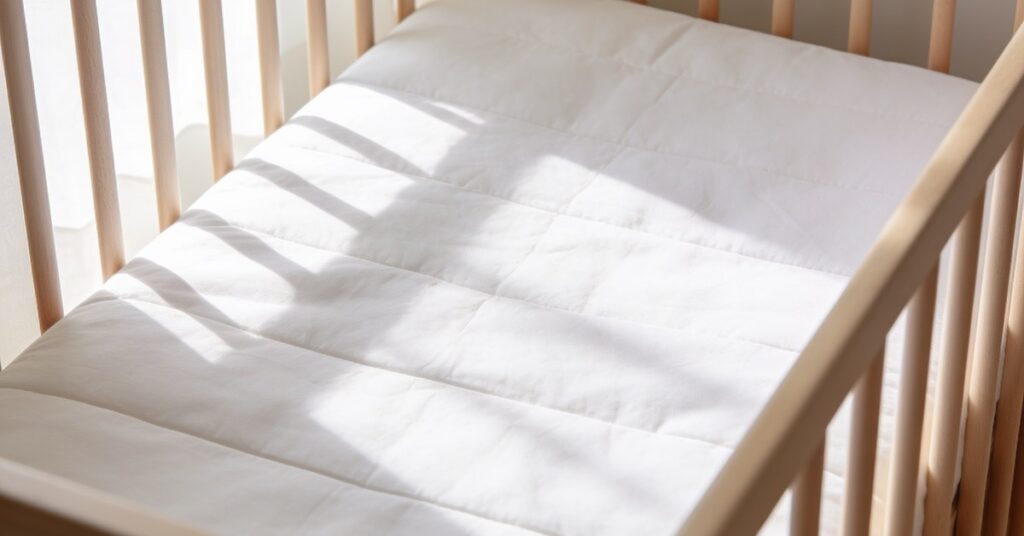
You can prevent SIDS by meticulously curating your baby’s immediate environment to ensure it is free from hazards. Start by using a firm, flat, and waterproof mattress for every sleep session. Ever found yourself in a similar spot, wondering if that fancy, plush bedding is actually doing more harm than good? Trust me, keep the cot or Moses basket completely clear of pillows, duvets, cot bumpers, loose blankets, soft toys, sleep pods, and nests. These items create pockets of heat or obstructions that can easily interfere with an infant’s breathing, even if you believe they are positioned safely away from the baby. A clean, minimalist sleep space is the best insurance policy you can provide for your child.
Practical Steps for a Safer Night
- Maintain a room temperature between 16 and 20 degrees Celsius to prevent overheating.
- Use the „feet-to-foot” position, placing their feet at the bottom of the cot to prevent them from sliding beneath bedding.
- Keep your baby in a separate cot in your own room for at least the first six months.
- Ensure your child is up to date with all routine NHS vaccinations to boost immune resilience.
Navigating Developmental Milestones and Infant Sleep on Tummy
Once a baby can purposefully and consistently roll from back to tummy and tummy to back, they have reached a developmental stage where they can naturally find their own comfortable sleep position. Babies typically hit this milestone around five months of age. While the AAP still recommends starting every sleep on the back for the entire first year, it is considered safe for a baby to remain on their stomach if they have displayed the physical coordination and strength to roll back and forth independently, as they are no longer trapped in a position they cannot escape. Managing infant sleep on tummy becomes a different conversation once they have the motor skills to move themselves, but until that point, rigid adherence to back-sleeping is essential.
Managing Independent Rolling
If you notice your baby has rolled onto their tummy during the night, you generally do not need to flip them back, provided they rolled there by themselves. Always ensure their arms are completely free from any swaddle, as restricted arms prevent them from using their muscles to adjust their position or clear their airway. If they wake up and are on their tummy, give them a minute or two to attempt to roll back on their own; this is a normal part of their physical development and muscle building. However, if you are ever in doubt regarding their development, consult your paediatrician immediately.
Professional Support and Resources
You are not expected to navigate the complexities of infant sleep safety alone, and professional support is always available when you have concerns about your child’s wellbeing. The Lullaby Trust provides comprehensive Safer Sleep Advice which serves as an authoritative resource for parents. If you feel overwhelmed, remember that the risk of SIDS peaks between one and four months of age, and being vigilant during this high-risk window is your most important task as a parent. Remember: If you feel something is off with your baby’s breathing or development, always lean on the side of caution and speak to a medical professional. Taking charge of your parenting education is just as important as managing your own fitness or work goals; it requires discipline, consistency, and the right information.
Contact Information
- The Lullaby Trust Baby Safety Helpline: 0808 802 6869
- The Lullaby Trust Bereavement Support Helpline: 0808 802 6868
Frequently Asked Questions
Is it ever safe to incline the mattress?
No, sleep surfaces must always be kept perfectly flat, without any inclining, tilting, or propping of the mattress or cot. Using pillows or wedges to elevate the head creates a significant hazard that increases the risk of the baby slipping into a dangerous position.
What should I do if I am worried about developmental delays?
If you have specific concerns about your baby’s ability to roll or their general development, always consult a paediatrician. They can provide a professional assessment to ensure your baby is meeting their milestones safely and help you adjust your sleep routines accordingly.
Does a waterproof mattress make a difference?
Yes, using a firm, flat, and waterproof mattress is essential because it is easier to keep clean and hygienic, which is a critical part of maintaining a safe sleep environment. This prevents the accumulation of allergens or moisture that could potentially affect your baby’s breathing or comfort during the night.
Are there specific signs of overheating to watch for?
Yes, you should check for sweating, a damp chest, or flushed skin, which are clear indicators that your baby is too warm. If you notice these signs, remove a layer of bedding or adjust the room temperature immediately to ensure they stay within the recommended 16 to 20 degrees Celsius range.
Stay consistent with placing your infant on their back for every single sleep session until they are at least one year old. Your unwavering dedication to these proven safety protocols is the most powerful tool you have to ensure your child’s healthy start in life.