Persistent watery eyes can be a significant distraction, undermining your focus during intense training sessions or hindering your daily productivity and mental clarity. This guide provides reliable, actionable strategies to identify the underlying cause of your discomfort, manage symptoms effectively, and prepare you with the right tools to restore optimal ocular health. You will learn exactly how to distinguish between minor environmental irritants and conditions that require professional medical attention, ensuring you stay in control of your well-being.
To learn how to stop watery eyes immediately, you must first determine if the cause is environmental, allergic, or related to dry eye syndrome, as the solution depends entirely on the root issue. Start by rinsing your eyes with artificial tears to flush out potential debris or allergens, and if the condition persists, apply a warm compress or use targeted eye drops to stabilise your tear film. If you experience pain, vision loss, or structural changes to your eyelid, stop home treatment and consult a medical professional immediately to rule out serious conditions.
How to stop watery eyes
Understanding potential remedies
The method chosen to alleviate watery eyes is entirely dependent upon the underlying cause. If the issue stems from dryness, utilising lubricating artificial tears is a standard first approach. When allergies are identified as the culprit, antihistamine medication or specialised ocular drops are frequently recommended. In instances involving obstructed tear ducts, applying a warm compress for several minutes can help to clear the blockage.
Effective treatment strategies
In many cases, if watery eyes do not cause significant discomfort, active treatment may not be required. However, when intervention becomes necessary, several professional and home-based options are available:
- Artificial tears: These lubricating drops are effective for managing surface dryness or minor irritations.
- Warm compresses: Gently heating the area helps to liquefy oily secretions within the meibomian glands, which supports healthy tear production and flow.
- Antihistamines: Oral medications such as fexofenadine can be beneficial if your symptoms are triggered by allergic reactions.
- Contact lens assessment: Poorly fitted or dehydrated lenses can irritate the cornea. Switching to daily disposable versions may resolve the constant tearing.
Identifying when to seek professional advice
While home remedies are often successful, it is important to recognise when the condition requires medical assessment. You should consult an optometrist or a general practitioner if you encounter any of the following symptoms:
- Eyes that remain persistently watery despite home care.
- Disruption to your vision or blurred sight.
- The presence of pain or significant discharge.
- Noticeable lumps or swelling around the ocular area.
- Sensations of grittiness or extreme soreness, which may indicate that your eyes are producing extra tears as a reactionary response to chronic dryness.
Always seek timely medical help if your eye health deteriorates to ensure you receive an accurate diagnosis and an appropriate, targeted treatment plan.
Identifying the Causes of Epiphora and When to See a Doctor
Watery eyes, known as epiphora, occur when your eyes produce excess moisture due to irritation or a blocked drainage system. Ever found yourself squinting at a screen or dealing with watering eyes during a heavy gym session? It is a common nuisance that usually boils down to a few key culprits:
- Allergies (pollen, dust, or pet dander)
- Blepharitis or conjunctivitis
- Environmental factors (smoke, wind, or corneal abrasion)
- Underlying physical conditions like a common cold
Remember: You must seek a doctor’s assessment if you experience pain around the eyes, noticeable changes in your vision, or if your eyelid begins to droop away from the eye or turn inwards. Professional evaluation is also non-negotiable if symptoms prevent you from performing everyday activities or if you suspect rare but serious issues like lymphoma or carcinomas.
How to Stop Watery Eyes Due to Allergies
You can effectively manage allergy-related irritation by reducing your exposure to allergens and using appropriate over-the-counter medications. From my experience, keeping the house clean during high pollen counts is just as important as the medicine cabinet when figuring out how to stop watery eyes effectively.
| Method | Actionable Tip |
|---|---|
| Medication | Oral antihistamines (cetirizine/fexofenadine) or ketotifen drops. |
| Air Quality | Keep windows closed; use air conditioning and a dehumidifier. |
| Physical Shield | Wear wraparound sunglasses outdoors to block airborne particles. |
How to Stop Watery Eyes Caused by Dry Eye Syndrome
Dry eye syndrome often triggers a paradoxical increase in watery eyes because the brain senses dryness and overcompensates by flooding the eye with tears. To break this cycle, adopt a consistent daily maintenance routine:
- Apply a warm compress for 10 minutes every evening to loosen oil blockages.
- Gently massage your eyelids with a clean finger or cotton bud to express oils from the glands.
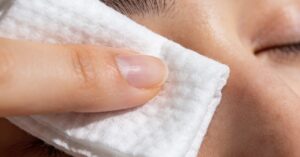
- Clean the eyelid margins daily with a flannel soaked in warm water.
- Position your computer screens slightly below eye level to reduce exposure.
Best Eye Drops to Stop Watery Eyes
The most effective way to choose the right eye drops is to match the product’s active technology to your specific symptoms. If you are training hard or working long hours, don’t just grab the cheapest bottle—pick the one that actually solves the problem.
- Allergy Relief: Murine Hayfever Relief or Boots Itchy & Watery Eyes.
- Severe Dryness: Hycosan Intense or Cationorm (ion-based technology).
- Advanced Hydration: Ocutears Hydro+ (cross-linked sodium hyaluronate) or Thealoz Duo (trehalose).
Important: Always opt for preservative-free drops if you apply them more than four times a day or wear contact lenses to avoid long-term surface irritation.
How to Stop Watery Eyes from Wind and Cold Weather
You can prevent weather-induced irritation by creating a protective barrier against the elements and maintaining consistent ocular hydration. When the wind picks up, don’t leave your eyes exposed; wear wraparound sunglasses or goggles to shield them from high-velocity air.
Internally, avoid direct exposure to fans, air conditioning vents, or heating sources, as these rapidly evaporate your natural moisture. Increase your blink rate consciously to spread tears evenly across the cornea and ensure you stay well-hydrated throughout the day, as systemic dehydration can exacerbate eye dryness.
How to Stop Watery Eyes in Children and Infants
To stop watery eyes in infants, often caused by a blocked tear duct, focus on gentle hygiene and physical stimulation of the drainage system. Clean the eye using a warm, damp cotton ball or washcloth with previously boiled and cooled water. Perform a tear sac massage by rolling your little finger firmly between the inside corner of the eye and the nose for one minute, ideally while the baby is feeding. If the blockage persists beyond 12 months or you see thick, coloured discharge, consult a GP, as surgical probing is a highly successful procedure with a 75% cure rate.
Frequently Asked Questions
Can I use contact lenses while treating watery eyes?
It is generally recommended to avoid contact lenses while your eyes are irritated, as they can trap allergens or debris against the cornea. If you must wear them, strictly use preservative-free lubricating drops to ensure your comfort.
Are there specific dietary changes that help with eye moisture?
Yes, increasing your intake of Omega-3 fatty acids, found in oily fish or flaxseeds, can improve the quality of your tear film and reduce dry eye symptoms. Staying well-hydrated by drinking enough water daily is also fundamental for overall ocular health.
How long should I wait before seeing a specialist for persistent watering?
If you have been following a consistent routine of eyelid hygiene and lubrication for a few weeks without improvement, you should consult an optician or GP. Persistent symptoms might indicate an underlying anatomical issue that requires professional assessment.
Does smoking affect eye moisture levels?
Yes, cigarette smoke is a significant environmental irritant that can cause chronic inflammation and dryness of the ocular surface. Avoiding smoke exposure is a key step in preventing unnecessary irritation and tear overflow.
Identifying whether your discomfort stems from environmental triggers or chronic dryness is the most reliable method for how to stop watery eyes permanently. Stay consistent with your eyelid hygiene and lubricating drops, as taking care of your vision is a vital part of staying at the top of your game.