Staying properly hydrated is the foundation of physical performance and mental clarity, yet uncertainty about the quality of London’s tap water can often lead to unnecessary stress and reliance on overpriced bottled alternatives. In this guide, I will break down the facts behind the city’s water supply to help you understand exactly what you are drinking, how to handle the unique mineral profile of the region, and why you can trust your tap with total confidence.
Is London tap water safe to drink
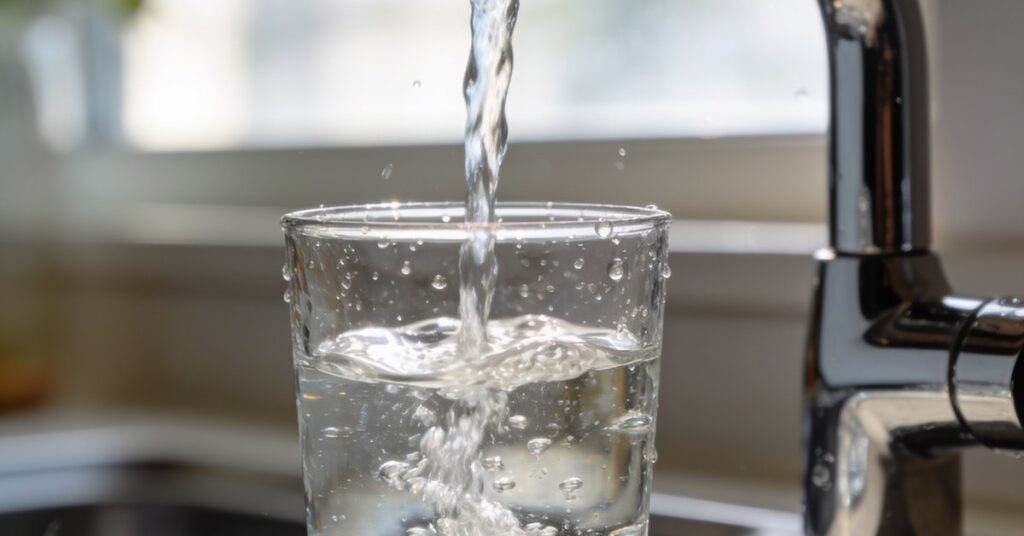
You can rest assured that tap water in London is perfectly safe for consumption. The local water supply undergoes rigorous treatment processes and is subject to some of the most stringent quality and safety regulations globally.
The quality of London’s water supply
When you fill a glass from your kitchen tap in London, you are accessing water that is frequently monitored and strictly regulated. The primary responsibility for this supply lies with Thames Water, with the Drinking Water Inspectorate (DWI) acting as the governing body. The DWI ensures that quality standards are consistently met through intensive daily testing protocols, confirming that London’s water ranks among the best across the United Kingdom.
Understanding the flavour profile
While the water is entirely safe to drink, you may notice that its taste differs from what you are accustomed to. This is largely due to the following reasons:
- The water is classified as 'hard’ rather than 'soft’ due to its high mineral content.
- Certain local pipes or treatment methods can influence the final taste, leading some residents to look for ways to enhance the flavour.
Can you drink from any tap?
In most residential settings, the water from your bathroom tap is exactly the same as the water in your kitchen and is perfectly fine to drink. However, there are a few practical considerations:
- In public buildings, offices, or older properties, always look for signage indicating if the water is non-potable.
- If there is no warning sign in a private home, the bathroom tap is generally safe to use.
If you find that the mineral-heavy taste is not to your preference, there are several simple methods available to filter or improve the flavour of your tap water at home.
The Verdict: Is London Tap Water Safe To Drink For Your Daily Hydration?
Yes, London tap water is perfectly safe to drink and is officially classified as potable water. It is strictly regulated by the Drinking Water Inspectorate and consistently meets the high benchmarks set by both UK and EU law, ensuring that whether you are a local resident or a tourist staying in a hotel with mains-fed plumbing, you can consume it with absolute confidence. Since the year 2010, over 99.95% of the half-million quality tests conducted annually have passed these stringent safety standards, proving that your tap is a reliable source of hydration that requires no extra filtration for safety purposes. Many people often ask, „Is London tap water safe to drink?” and the answer remains a definitive yes for every household across the capital.
For those living an active lifestyle, hydration is not just about quenching thirst; it is about maintaining optimal physiological function. When you are pushing your body through a high-intensity workout or focusing on a complex cognitive task, the last thing you need is the mental friction caused by doubting the safety of your water source. London’s infrastructure is designed to provide clean water directly to your home, and with over 100 public drinking water fountains scattered across the capital, the city actively encourages the use of tap water as a primary, healthy, and sustainable choice for both locals and visitors alike.
Understanding The Mineral Profile And Hardness Of London Water
London tap water is classified as „very hard” because it contains high levels of calcium and magnesium, which are naturally absorbed from the chalk aquifers and river catchments that supply the city. This hardness is measured at approximately 320 mg/L CaCO₃, a characteristic that is entirely normal for the region and poses no risk to your health. In fact, these dissolved minerals are essential nutrients, and while they might cause aesthetic issues like white limescale flakes in your kettle, they are a sign of the water’s natural geological journey rather than a compromise in quality. If you have ever wondered about the mineral content in your morning brew, rest assured that this is simply the nature of the geology beneath the city.
If you live in areas such as High Barnet or Epping, you will notice this hardness is particularly pronounced, but it is important to distinguish between „hard” water and „unsafe” water. From a fitness perspective, there is no evidence that this mineral content hinders your performance; rather, it is simply a local environmental factor you learn to manage. To keep your kitchen appliances running smoothly, I suggest a simple descaling routine to prevent build-up, allowing you to enjoy your coffee or post-workout tea without worrying about the mineral density of the water supply.
How Your Water Is Purified And Monitored By Authorities
The safety of your supply is guaranteed through a rigorous, multi-stage treatment process that transforms raw water from the River Thames and River Lee into high-quality drinking water. Major regional suppliers—Thames Water, which serves 76% of the population, alongside Affinity Water, Essex and Suffolk Water, and SES Water—utilize a comprehensive chain of screening, flocculation, filtration, and disinfection to ensure every drop is clean. Important: The water arriving at your tap is consistently compliant with the highest safety regulations, meaning you can skip the expensive bottled water aisle entirely. The process is designed to be invisible to the consumer, providing high-quality water without any effort on your part beyond turning the tap.
The monitoring system is robust, with Thames Water alone performing more than 500,000 quality tests every single year to check for critical parameters such as bacteria, harmful chemicals, various metals, and microscopic organisms. By maintaining these strict legislative standards, the water companies provide a transparent and verified service, allowing you to focus your mental energy on your personal development goals rather than questioning the integrity of your basic nutritional needs. When you understand the scale of this testing, it becomes clear why the question of „Is London tap water safe to drink” is consistently met with scientific validation.
Evaluating The Taste Experience And Managing Odours
The specific taste of London tap water is largely influenced by the presence of chlorine, which is added to the system as a critical final-stage disinfectant to prevent bacterial growth during transport. While this ensures the water is safe, you might occasionally detect a chlorine smell or taste, particularly during peak water usage times. Additionally, if the water has been sitting in older metallic or galvanised pipes within a building, it can sometimes pick up a subtle bitter or metallic edge. Ever found yourself in a similar spot, wondering why your water tastes a bit off on a Tuesday morning? It is rarely a sign of contamination, but rather a reflection of the plumbing age or the disinfection process working exactly as intended.
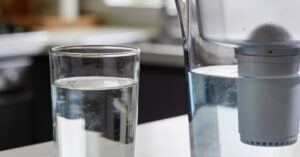
If you are sensitive to these tastes, there are simple, practical steps to improve your drinking experience. I personally find that keeping a glass jug of water in the fridge does the trick, as it allows the chlorine to dissipate naturally while providing a crisp, refreshing temperature perfect for post-workout recovery. You can follow these steps to refine your hydration habits:
- Chill a glass jug of tap water in the fridge for at least an hour to reduce chlorine scent.
- Use a standard charcoal jug filter if you prefer a neutral, bottled-water taste.
- Run the tap for a few seconds if the water has been sitting in your pipes overnight.
Tap Water Versus Bottled Alternatives For Health
London tap water is a superior choice to bottled water because it undergoes daily professional testing, whereas bottled water is typically only subject to quality checks once a month. While both sources can contain trace amounts of microplastics, the regulatory scrutiny applied to the municipal supply is far more frequent and transparent. By choosing the tap, you move away from the unnecessary expense and environmental impact of single-use plastics while maintaining a hydration standard that is rigorously monitored every single day of the year. This is about taking control of your resources and opting for the most efficient, proven path to hydration.
| Feature | London Tap Water | Bottled Water |
|---|---|---|
| Testing Frequency | Daily | Monthly |
| Mineral Content | Natural Calcium/Magnesium | Varies (often stripped) |
| Sustainability | High (Reusable bottle) | Low (Single-use plastic) |
| Cost | Negligible | High |
Frequently Asked Questions
Can I use tap water for baby formula?
Yes, you can use London tap water for baby formula, provided it is boiled and cooled according to standard NHS guidelines. The water quality itself is safe, but boiling ensures any potential bacteria from household plumbing is neutralised.
Is the water safe for pets?
Yes, the water is perfectly safe for dogs, cats, and other household pets to consume. The mineral content and chlorine levels are within safe limits for animals, exactly as they are for humans.
Should I install a water softener?
While a water softener can reduce limescale build-up in your pipes and appliances, it is not necessary for health reasons. If you choose to install one, ensure that a separate unsoftened tap is kept for drinking water, as softened water can have high sodium levels.
Does the Drinking Water Inspectorate provide public reports?
Yes, the Drinking Water Inspectorate publishes annual reports on water quality across England and Wales. You can view these reports to see the performance data for your specific local water supplier.
You can rely on your municipal supply as a verified, safe, and sustainable hydration source for your daily routine. Simply keep a chilled glass jug in your fridge to naturally neutralise any chlorine taste and enjoy the convenience of high-standard water directly from your own tap.