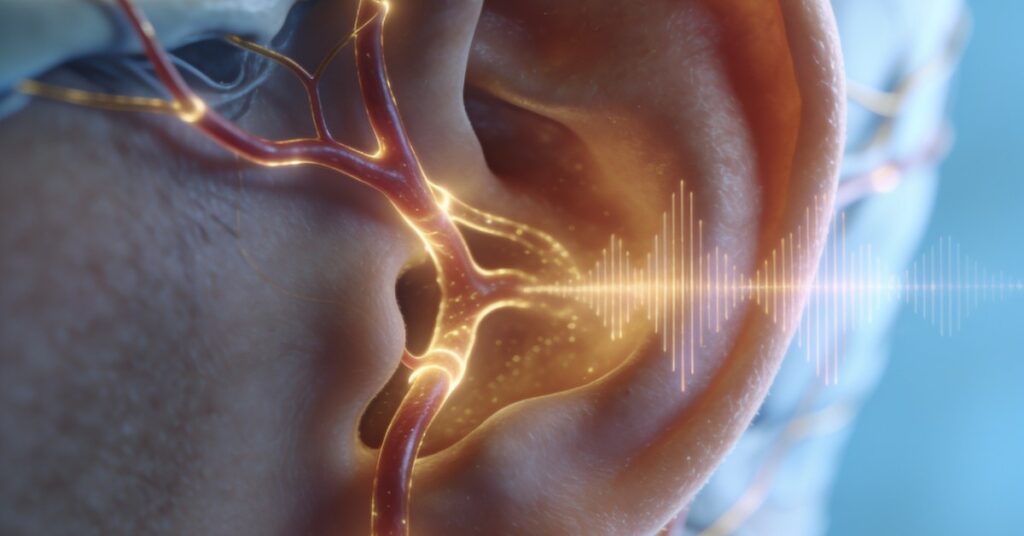
Managing the constant, intrusive ring of tinnitus while navigating the complexities of your cardiovascular health is a significant challenge to both your mental clarity and overall physical performance. In this article, you will learn the precise link between your blood pressure and auditory health, gain clarity on which medications might be exacerbating your symptoms, and discover actionable lifestyle strategies to help you regain control. I am here to cut through the confusion and provide you with a practical roadmap to stabilise your health and improve your daily quality of life.
The primary link between Tinnitus And Blood Pressure is that hypertension directly alters vascular flow, often manifesting as a rhythmic, heartbeat-like noise in the ears. Whether your pressure is too high or too low, the inner ear is highly sensitive to changes in blood circulation, making cardiovascular health a critical factor in managing or potentially eliminating these auditory disturbances.
Tinnitus and blood pressure
The link between blood pressure and tinnitus
Fluctuating blood pressure levels, whether too high or too low, have the potential to trigger or exacerbate tinnitus symptoms. Hypertension in particular can disrupt the regular blood flow to the inner ear, which may sometimes manifest as pulsatile tinnitus—a condition characterised by hearing rhythmic, heartbeat-like sounds. Furthermore, it is important to note that certain pharmaceutical interventions prescribed to manage blood pressure, such as diuretics or ACE inhibitors, are frequently identified as contributing factors to the onset of tinnitus.
Hypertension as a risk factor for hearing impairment
While hypertension is not a direct anatomical cause of hearing loss, medical professionals recognise it as a substantial risk factor. When combined with other cardiovascular stressors, the impact of high blood pressure on the auditory system can be significant, potentially leading to long-term hearing deterioration.
Investigating the root cause of your tinnitus
Many individuals suffering from persistent ear ringing often wonder if their blood pressure could be the underlying culprit. Exploring the connection between your cardiovascular health and your auditory perception is a vital step in managing or alleviating the annoyance caused by tinnitus.
Blood pressure treatments linked to tinnitus
Various medications used to regulate blood pressure are known to have side effects that affect hearing. The most common classes of drugs associated with the development or worsening of tinnitus include:
- Diuretics (sometimes referred to as water pills)
- Angiotensin-converting enzyme (ACE) inhibitors
- Beta-blockers
- Calcium channel blockers
The Vascular Link: Why Hypertension and Tinnitus And Blood Pressure Coexist
Arterial hypertension has been recognised as a potential cause of Tinnitus And Blood Pressure issues since the 1940s, primarily because high blood pressure—defined as systolic levels over 130 or diastolic levels over 80—directly impacts the delicate vascular environment of the inner ear. Research published in the NCBI confirms the weight of this connection, finding that 44.4% of people suffering from tinnitus also live with hypertension, suggesting that the two conditions are frequently intertwined in the patient experience. Understanding this relationship is not just about medical trivia; it is about identifying a hidden mechanical issue within your circulatory system that demands your attention before it impacts your long-term hearing quality.
Understanding the physiological damage to hearing
High blood pressure contributes to tinnitus through three primary mechanisms that stress the auditory system. Persistent hypertension acts as a significant risk factor for hearing loss by damaging the tiny, fragile blood vessels within the inner ear, which are essential for processing sound correctly. When these vessels lose their integrity due to chronic pressure, the resulting auditory dysfunction often presents as the persistent ringing or buzzing sensation that so many men struggle to manage in their daily lives.
Decoding Pulsatile Tinnitus And Blood Pressure Fluctuations
Pulsatile tinnitus is a specific type of auditory disturbance characterised by a rhythmic sound that perfectly matches your heartbeat, often indicating an underlying vascular or muscular issue. Because this is categorised as objective tinnitus—meaning it arises from an actual, detectable physical source—it is frequently related to systemic hypertension. Ever found yourself in a similar spot, wondering why your ears seem to have a pulse of their own? It is a common sign that your vascular system is under pressure, and it is usually the first indicator that your blood flow is being disrupted by mechanical obstructions.
| Condition | Common Vascular Cause |
|---|---|
| Pulsatile Tinnitus | Carotid artery stenosis |
| Pulsatile Tinnitus | Atherosclerosis |
| Pulsatile Tinnitus | Aneurysms |
| Pulsatile Tinnitus | Arteriovenous malformations |
When Low Blood Pressure Triggers Auditory Symptoms
Low blood pressure causes tinnitus by reducing the necessary volume of blood and oxygen flow to both the brain and the sensitive inner ear structures. A key condition here is orthostatic hypotension, which occurs when a sudden drop in pressure upon standing manifests in symptoms like vertigo, nausea, a lack of concentration, and ringing in the ears. As detailed in the information published by the Mayo Clinic on 8 July 2017, these drops in blood pressure alter systemic circulation enough to trigger these acute auditory episodes.
The Medication Dilemma regarding Tinnitus And Blood Pressure
Certain blood pressure medications are associated with tinnitus, meaning the very treatment intended to improve your health may be the underlying cause of your ear ringing. With more than 200 ototoxic drugs currently on the market, it is essential to review your current regimen if you have noticed a correlation between starting a new prescription and the onset of your symptoms. It is a frustrating reality that the chemical balance required to lower your systemic pressure can sometimes irritate the hair cells in your cochlea.
- Loop Diuretics: Furosemide (Lasix) and Torsemide (Demadex) are common culprits.
- ACE Inhibitors: Drugs like Lisinopril and Enalapril have been consistently linked to these issues.
- Calcium Channel Blockers: Amlodipine is another major treatment that may trigger or exacerbate these symptoms.
Can Treating High Blood Pressure Stop Tinnitus And Blood Pressure Issues?
Treating high blood pressure can stop tinnitus if the auditory symptoms were directly caused by vascular strain or specific medication side effects. While the 2016 study by RR Figueiredo identified that diuretics, ACE inhibitors, and calcium channel blockers are prevalent in patients with tinnitus, the good news is that stopping the use of a drug that causes the symptom usually results in the disappearance of the noise. By working with a medical professional to adjust your treatment or stabilise your pressure through non-pharmacological means, you can often mitigate the frequency or severity of the ringing.
Remember: Never stop taking prescribed blood pressure medication on your own; always consult your GP to discuss alternatives if you suspect a drug-induced side effect.
Taking Control: Lifestyle Strategies for Tinnitus And Blood Pressure
You can manage both your tinnitus and blood pressure by implementing consistent lifestyle changes that support vascular health. From my own experience, I’ve found that when life gets hectic, sticking to a routine is the only thing that keeps my stress levels in check—and my ears quiet.
- Audit your salt: Limit sodium intake to less than 2,300 mg daily to keep blood pressure stable and avoid fluid retention in the inner ear.
- Get moving: Aim for 150 minutes of moderate physical activity per week, ideally structured as 30-minute sessions performed 2–3 times a week.
- Cut the stimulants: Limit your consumption of alcohol, caffeine, and nicotine, as these wreak havoc on your vascular tone.
- Decompress: Practice deep breathing or meditation to lower your systemic stress response and keep your cortisol levels from spiking.
Frequently Asked Questions
Can dehydration worsen the sounds associated with Tinnitus And Blood Pressure?
Yes, dehydration can reduce blood volume and overall circulation, which may exacerbate the perception of tinnitus. Maintaining proper hydration is a simple, effective way to support your vascular health and potentially dampen auditory symptoms.
Is it possible for stress to act as a bridge between these conditions?
Stress triggers the release of hormones that can temporarily elevate blood pressure and heighten your brain’s sensitivity to auditory signals. By managing your stress through structured relaxation, you address one of the primary drivers of both hypertension and tinnitus perception.
Should I use sound masking devices if I have high blood pressure?
Sound therapy or masking devices are excellent tools for reducing the psychological burden of tinnitus, regardless of your blood pressure status. They help divert your brain’s attention away from the internal ringing, allowing you to function better during the day.
Does age influence the risk of developing these interconnected symptoms?
Yes, the 2016 study by RR Figueiredo specifically noted a positive association between these conditions in older patients. As vascular elasticity naturally decreases with age, monitoring your health metrics becomes increasingly vital to maintaining auditory clarity.
Important: Prioritise regular cardiovascular check-ups and monitor your blood pressure at home, as stabilising your vascular health is often the most effective way to quiet the noise and reclaim your peace of mind. You have the power to influence your recovery, so keep your routine consistent and be kind to yourself as you navigate these improvements.