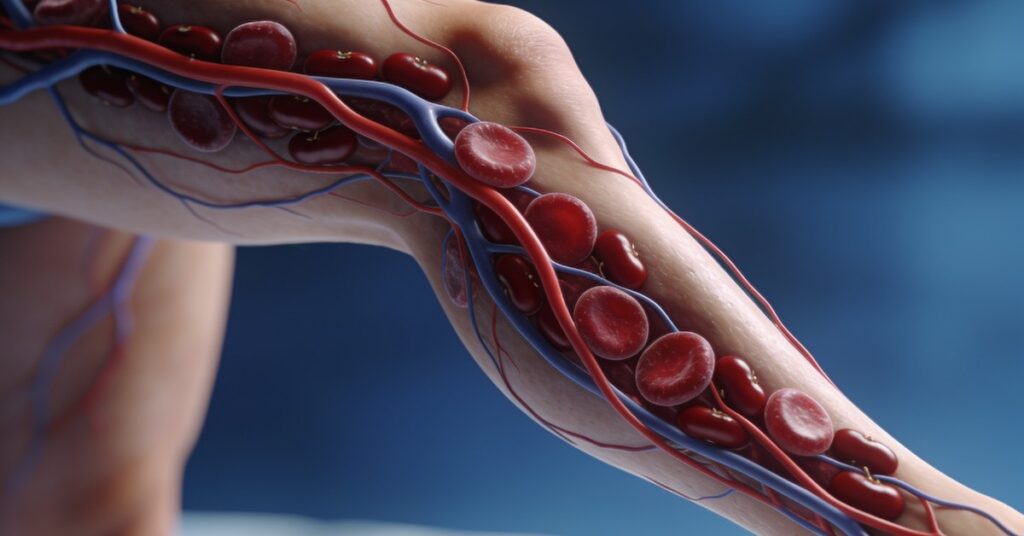
Navigating the increased risk of blood clots during pregnancy is a critical component of safeguarding your long-term health and ensuring a smooth recovery journey. In this article, you will gain a clear understanding of the warning signs, evidence-based treatments, and practical lifestyle habits required to stay in control of your physical well-being. I am here to help you cut through the confusion with reliable, actionable insights so you can approach this period with confidence and clarity.
The core reality is that pregnancy increases your risk of developing a blood clot fivefold compared to the general population. This elevated vulnerability is due to physiological changes designed to prevent excessive bleeding during childbirth, which unfortunately also make your blood more prone to clotting. Being aware of this heightened risk is not intended to create anxiety, but rather to provide you with the necessary foresight to manage your health proactively throughout your pregnancy, during delivery, and well into the postpartum period.
Blood clots in pregnancy
Understanding venous thrombosis during pregnancy
Pregnancy naturally alters your blood chemistry, causing it to thicken as a protective measure to minimise blood loss during childbirth. However, this physiological change significantly elevates the risk of developing blood clots. A Deep Vein Thrombosis (DVT), occurring in the legs or pelvis, or a Pulmonary Embolism (PE), where a clot travels to the lungs, constitutes a medical emergency requiring urgent intervention.
Assessing personal risk factors
Every individual experience an increased probability of venous thromboembolism (VTE) while carrying a child and for up to six weeks following delivery. In fact, pregnant individuals are roughly ten times more likely to experience these complications compared to non-pregnant individuals of the same age. You may be at an even higher risk if you identify with any of the following factors:
- Being over the age of 35.
- Living with obesity or being overweight.
- Managing pre-existing health conditions, such as heart or lung disease, cancer, or active infections.
- Expecting multiple babies (e.g., twins or triplets).
- Maintaining limited mobility during the pregnancy period.
Protecting your health and your baby
Blood clots do not only present a danger to the mother; they can also jeopardise the foetus by restricting necessary blood flow. It is vital to be proactive regarding your vascular health. Medical professionals advise that if you notice any physical warning signs, you should seek immediate help from your midwife, GP, or the nearest emergency department without delay.
Managing the risk and treatment options
The most effective strategy is to understand your unique risk profile early in your pregnancy. To support your wellbeing, focus on the following preventative actions:
- Stay adequately hydrated throughout the day.
- Prioritise regular, light movement to encourage healthy circulation.
- Review your full medical history with your obstetrician or midwife as early as possible.
Should a clot be diagnosed, medical practitioners typically manage the situation by prescribing safe anticoagulant medications designed to thin the blood effectively without harming the developing baby. Remaining informed about your health status is the most powerful tool you have to ensure a safer pregnancy journey.
Why Pregnancy Elevates Risk Factors for Blood Clots in Pregnancy
Pregnancy elevates your clotting risk because your body undergoes massive hormonal and physical shifts that slow down blood flow in the veins of the legs and pelvis. This heightened state of risk is not a temporary blip; it persists throughout the entire pregnancy, during the act of childbirth itself, and continues for up to three months after you have given birth. Understanding these dynamics is the first step in taking personal responsibility for your vascular health during this demanding time, as managing blood clots in pregnancy effectively requires a proactive mindset.
Key Clinical and Genetic Contributors
Several distinct factors significantly amplify your baseline risk, and identifying these early allows you to take preventative measures. You are at a higher risk if you are aged 35 or older, have a previous history of blood clots, or possess inherited blood clotting disorders such as thrombophilia. Lifestyle and clinical factors also play a massive role; specifically, obesity, smoking, and having long-term heart or lung conditions or diabetes can compound the danger. Furthermore, delivery by C-section is a major contributor to this risk profile, as is prolonged immobility, such as being placed on medically necessitated bed rest.
Recognising the Warning Symptoms of Blood Clots in Pregnancy
You must remain vigilant for specific physical changes, as recognising these symptoms early can be the difference between a minor concern and a life-threatening emergency. If you observe swelling in a limb, persistent pain or tenderness not linked to a specific injury, or skin that feels warm, looks red, or appears discoloured, you should contact your medical team immediately. These symptoms often point to Deep Vein Thrombosis (DVT) and require rapid professional assessment to prevent further complications.
Physical Indicators and Respiratory Distress
Beyond limb issues, you must watch for signs that a clot may have travelled to the lungs, an event known as a Pulmonary Embolism (PE). Be alert for chest pain that worsens when you take a deep breath or cough, as well as unexplained shortness of breath. Other critical warning signs include a cough that may contain bloody sputum, sudden dizziness, fainting, lightheadedness, or symptoms of excessive sweating and fever. Trust your instincts; if your body feels significantly „off” in these ways, seek emergency care without delay.
| Symptom Category | What to Watch For |
|---|---|
| Limb Issues | Swelling, redness, warmth, or unexplained pain. |
| Respiratory Issues | Chest pain when breathing, shortness of breath, bloody cough. |
| Systemic Signs | Dizziness, fever, fainting, or cold sweats. |
Potential Complications for Mother and Baby
Complications from blood clots are serious because they threaten the oxygen supply and blood flow vital to both you and your developing baby. The most immediate dangers include DVT and the potentially fatal PE, which can cause severe shortness of breath and critically low oxygen levels. These vascular issues can also lead to pregnancy-specific complications such as blocked blood flow to the placenta, which may result in intrauterine growth restriction (IUGR), miscarriage, or stillbirth, ultimately posing a risk of maternal death if left unmanaged.
Managing Treatment Options for Blood Clots in Pregnancy
The primary medical treatment for managing blood clots during pregnancy involves the use of Low-Molecular-Weight Heparin (LMWH) injections, which are safe because they do not cross the placenta. Your doctor may prescribe a specific type of LMWH, such as Dalteparin (Fragmin), to effectively thin the blood without harming the foetus. While Unfractionated heparin may be used during the final weeks of pregnancy, you should be aware that Warfarin is generally avoided during gestation, particularly between weeks 6 and 12, due to potential developmental risks, though it may be used safely after the baby is born.
Clinical Guidelines for Medication Timing
Medication management requires precise timing, especially regarding surgical intervention. If you are scheduled for a planned caesarean section, your medical team will typically ensure the last heparin injection is administered exactly 24 hours before the procedure to minimise bleeding risks. Recovery protocols are just as specific; heparin is usually restarted within 4 hours of the caesarean section to ensure you remain protected against clot formation during the immediate postpartum recovery phase.
Proactive Strategies for Prevention and Recovery
You can actively reduce your risk of blood clots by implementing a structured hydration and movement routine throughout your pregnancy and the three months following birth. During pregnancy, aim to drink 10, eight-ounce glasses of liquid every day to maintain blood volume and flow. Once you enter the postpartum period—where the risk of a blood clot is up to 20 times higher than usual—increase your intake to 12–13 glasses of liquid daily. Combined with doctor-prescribed LMWH injections, these hydration habits form the bedrock of your preventative strategy.
Daily Habits and Lifestyle Adjustments
Physical movement is your best defence against venous stasis. If you are on a long journey, make it a rule to walk every 1 to 2 hours to keep your circulation active. Depending on your specific risk factors, your doctor might suggest wearing graduated elastic compression stockings or using sequential compression devices on your legs to assist blood flow. Important: After delivery, you must get up and walk as soon as possible, especially if you have undergone a C-section, to kickstart your circulatory system.
- Stay hydrated: 10 glasses (pregnancy) to 13 glasses (postpartum) daily.
- Keep moving: Walk every 1-2 hours during travel.
- Use aids: Wear compression stockings if recommended.
- Post-delivery: Prioritise early mobility after surgery.
Long-Term Outlook and Recovery
Long-term recovery from a pregnancy-related blood clot typically involves a commitment to taking LMWH for at least 6 weeks post-birth to ensure your vascular system stabilises. While the immediate danger period covers the pregnancy and the 3-month postpartum phase, failing to manage a DVT properly can lead to lasting issues. These long-term complications include post-thrombotic syndrome, which may result in permanently swollen or discoloured legs, the development of painful varicose veins, or even chronic leg ulcers.
Frequently Asked Questions
Are there specific dietary changes that help prevent clots?
While no specific diet prevents clots, maintaining a healthy weight and staying hydrated with 10 to 13 glasses of liquid daily is essential. Focus on fibre-rich foods to avoid constipation, which can put unnecessary pressure on the veins in your pelvis.
Can I wear compression stockings during a flight?
Yes, graduated elastic compression stockings are highly recommended during long flights to promote blood flow in your legs. You should also ensure you stand up and walk down the aisle every 1 to 2 hours to prevent stasis.
What should I do if I miss a dose of my heparin injection?
You must contact your doctor or midwife immediately for specific instructions if you miss a dose of your anticoagulant medication. Do not double your dose to make up for the missed one unless your healthcare provider explicitly tells you to do so.
Is the risk of clotting different for natural births versus C-sections?
Yes, delivery by C-section is a major risk factor for VTE, which is why early mobilisation after surgery is so strictly emphasised. Your medical team will likely have a more intensive prevention plan in place if you are scheduled for a caesarean birth.
Prioritising early movement and strictly adhering to your prescribed anticoagulant schedule are the most effective ways to protect your health during this journey. You are doing a great job by staying informed and proactive, so trust your instincts and always reach out to your medical team the moment something feels off.