Navigating the complexities of pregnancy while managing habits like vaping is a critical challenge for your family’s long-term health and your child’s developmental future. In this guide, you will find evidence-based insights into the risks associated with e-cigarettes, clear expectations for your baby’s wellbeing, and practical steps to help you transition to a smoke-free lifestyle. We are here to provide the direct, reliable information you need to take control and make the healthiest possible choices for your growing family.
No, you should not vape while pregnant, as health organisations worldwide consider it unsafe. When people ask, „Can You Vape When Pregnant”, the clinical answer is a definitive no because even though vaping avoids the tar and carbon monoxide found in traditional cigarettes, the nicotine and chemical additives in e-cigarettes pose significant, proven risks to your baby’s brain and lung development. If you are pregnant or trying to conceive, the most responsible path for your health and your child’s future is total abstinence from all nicotine products.
Can you vape when pregnant?
Why vaping is unsafe during pregnancy
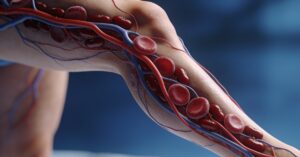
Medical experts and health organisations are unified in their stance: vaping whilst pregnant is not considered safe. The primary concern is that e-cigarettes frequently contain nicotine, a substance that may cause lasting harm to a foetus. Specifically, exposure to these chemicals can interfere with the development of a baby’s brain and lungs. Furthermore, vaping has been linked to significant pregnancy complications, including restricted blood flow to the placenta, an increased likelihood of premature birth, and low birth weight.
Understanding the risks
While the dangers of traditional cigarette smoking have been well-documented for decades, the rise of vaping warrants equal caution. Regardless of the delivery method, there is no verified safe level of nicotine consumption during pregnancy. Every instance of exposure can potentially introduce harmful substances to the developing child. Unlike traditional tobacco, the long-term effects of many chemicals found in vape liquids are still being researched, but the potential for developmental disruption remains high.
Navigating smoking cessation if you are already a smoker
For individuals who currently smoke and find it difficult to quit, there is a nuance in medical advice. If you are unable to cease smoking entirely, transitioning completely to an e-cigarette is considered significantly less harmful than continuing to smoke tobacco. This is because vapes do not expose the foetus to tar or carbon monoxide—the two most toxic components of cigarette smoke. However, this should only be viewed as a temporary measure, with the ultimate objective being to eliminate both smoking and vaping entirely to ensure the healthiest possible environment for the baby.
How to find professional support
Acknowledging that vaping is not free from risk is the first step towards a healthier pregnancy. If you are struggling to stop, it is essential to consult your midwife or healthcare provider. They can offer tailored strategies to help you quit safely. In the United Kingdom, additional resources are available to assist you:
- Consult your GP or midwife for personalised medical guidance.
- Contact the NHS Smokefree Helpline at 0300 123 1044 for expert, free support.
- Discuss cessation programmes that focus on nicotine replacement therapies approved for pregnancy.
Please note that the information provided here is for educational purposes and does not constitute formal medical advice or a clinical diagnosis. Always consult with a healthcare professional regarding your specific health needs during pregnancy.
Why Health Experts Advise Against Vaping When Pregnant
Health experts maintain a firm stance against vaping during pregnancy because it introduces harmful substances directly to the developing fetus. The American College of Obstetricians and Gynecologists (ACOG) and the National Institutes of Health (NIH) advocate for complete avoidance of all nicotine products during this period to prevent long-term harm. Trust me, there is no such thing as a safe vape when a life is on the line, and understanding the risks is the first step in the journey of asking „Can You Vape When Pregnant” and accepting that total cessation is the only safe route.
The Physiological Risks Of Nicotine Vaping For The Fetus
Nicotine exposure during pregnancy is dangerous because it crosses the placenta and accumulates in fetal circulation at concentrations often higher than in the mother’s own blood. This systemic exposure directly interferes with essential biological processes, including craniofacial development and long-bone growth, while simultaneously disrupting vital lung gene expression. Research indicates that this chemical interference causes permanent damage to the developing fetal brain, which can lead to life-long developmental struggles for the child.
Does Vaping Affect Pregnancy Development
Clinical data confirms that vaping is linked to poor birth outcomes, including an increased likelihood of preterm delivery and low birth weight. Beyond the nicotine, e-cigarette solutions contain a cocktail of additives that contribute to these adverse results.
| Additive Type | Common Examples |
|---|---|
| Chemical Solvents | Propylene glycol, glycerol, diacetyl |
| Heavy Metals | Nickel, tin, lead |
Can Vaping Cause Birth Defects
As of 1 April 2025, it is not definitively known if e-cigarettes increase the specific chance of physical birth defects; however, the elevated risks for premature birth and developmental issues are well-documented. Dr. Margot Marberry of Duke University emphasises that in utero exposure to toxic chemicals is strongly linked to abnormal brain, lung, and heart development. You should discuss your specific history with your midwife or GP as soon as possible to mitigate these risks.
Vaping Versus Smoking During Pregnancy
Vaping is not a safe alternative to smoking, as both habits expose the fetus to toxic substances that impair development. While traditional cigarettes are dangerous because they expose the fetus to over 4,000 chemicals, including tar and carbon monoxide, vaping introduces its own unique set of risks that are equally detrimental to a pregnancy. Many people still search „Can You Vape When Pregnant” hoping for a loophole, but official UK guidance emphasises that the focus should be on complete cessation rather than switching products.
- Smoking: High exposure to tar, carbon monoxide, and thousands of toxins.
- Vaping: Exposure to heavy metals, volatile organic compounds, and concentrated nicotine.
- Verdict: Both are strictly advised against by UK medical guidance.
Long Term Effects Of Vaping On Baby
The long-term impact of prenatal vaping exposure manifests in a variety of chronic health issues that can affect your child for years. These consequences include an increased risk of ADHD, learning disabilities, and permanent hearing impairment, alongside the potential for chronic respiratory conditions like asthma. Furthermore, infants exposed to these chemicals in utero face a higher risk of middle-ear infections and a statistically significant increase in the risk of Sudden Infant Death Syndrome (SIDS).
How To Quit Vaping While Pregnant
If you are struggling to quit, the most effective strategy is to utilise professional support services and medically approved cessation tools. Remember: NICE recommends the use of Nicotine Replacement Therapy (NRT)—such as patches, gums, or lozenges—as a safer way to manage withdrawal symptoms during pregnancy compared to continued vaping or smoking.
- Contact the National Smokefree Helpline at 0300 123 1044.
- Identify your personal triggers and replace vaping with a walk or deep breathing.
- Use the NHS Stop Smoking Services Finder to link up with a local advisor.
- Stay consistent; recovery is a process, not an overnight fix.
Is Nicotine Free Vape Safe During Pregnancy
„Nicotine-free” labels on vaping products are frequently misleading because independent testing often reveals trace amounts of nicotine, rendering them unsafe for pregnant individuals. A report from 23 October 2025 confirms that vaping during pregnancy, regardless of whether the liquid claims to be nicotine-free, leads to measurable harm in offspring. The aerosols produced by these devices contain heavy metals and toxic chemicals that are hazardous to a developing baby.
Frequently Asked Questions
Does vaping increase the risk of miscarriage?
While the primary focus of research is on preterm birth and developmental damage, the toxic chemicals found in e-cigarettes are known to disrupt the delicate environment required for a healthy pregnancy, which understandably raises concerns regarding overall pregnancy viability.
Is secondhand vapour dangerous to my pregnancy?
Yes, secondhand vapour contains many of the same toxic chemicals and heavy metals as the aerosol inhaled by the user, and you should avoid environments where vaping occurs to protect your developing baby.
Can I use a GP to help me stop vaping?
Absolutely, your GP or midwife is the best starting point for a professional, non-judgmental plan to help you quit. They can provide referrals to local NHS Stop Smoking Services tailored specifically for pregnant women.
What if I am already in my third trimester?
It is never too late to quit, as stopping at any stage of your pregnancy will immediately reduce the ongoing exposure of your baby to harmful chemicals and improve oxygen flow to the fetus.
Protecting your child begins with your commitment to eliminate all nicotine and toxic inhalation today. Reach out to the National Smokefree Helpline to utilise Nicotine Replacement Therapy (NRT), ensuring you give your baby the healthiest possible start in life.