Maintaining consistent medication adherence is a critical pillar of your long-term health and physical resilience, especially when managing the complexities of blood-thinning therapy. In this guide, I will provide you with the essential facts on what occurs when a dose is missed, how to safely navigate that situation, and the practical strategies you can implement to regain control of your routine. You will walk away with the clear, actionable knowledge needed to protect your well-being and eliminate the uncertainty that often accompanies a forgotten pill.
What happens if you miss a dose of blood thinner
Failing to take your anticoagulant medication as scheduled can diminish its protective effects, thereby increasing the likelihood of serious medical complications, such as stroke, heart attacks, or the formation of blood clots. The severity of missing a dose and the appropriate steps you should take are largely determined by the specific type of blood thinner you have been prescribed, such as apixaban or warfarin.
Anticoagulants are typically recommended for individuals whose health conditions predispose them to heightened clotting risks. Consistent adherence to your regimen is essential for maintaining the therapeutic concentration of the drug within your bloodstream.
Required actions after a missed dose
- Review the patient information leaflet included with your medication packaging for specific instructions regarding missed doses.
- Contact your prescribing doctor or healthcare professional to receive personalised medical advice tailored to your health status.
- Record any missed doses in your personal anticoagulant logbook and inform your clinic staff during your next scheduled blood test.
- Ensure you maintain a consistent supply of your prescription, replenishing it well before you run out.
- Take your tablets with food if your physician has specifically advised you to do so.
When to seek urgent medical attention
You must seek immediate emergency medical care if you or someone under your care has missed doses and subsequently experiences any of the following symptoms:
- Severe or persistent headaches.
- Unexplained or extensive bruising.
- Episodes of dizziness.
- The presence of blood in urine.
- Stools that appear black or contain visible blood.
- Prolonged nosebleeds or bleeding from the gums.
- Vomiting blood or coughing up blood.
General guidance on medication adherence
It is vital to follow your prescribed dosage regimen strictly. Certain blood thinners must be taken at the same time each day to maintain stability. Never discontinue your medication independently; only stop taking it if your doctor explicitly informs you to do so. While a double dose may be managed differently depending on the drug, always verify the correct procedure through professional medical consultation rather than guessing.
Immediate Actions: How to Handle a Missed Dose of Blood Thinner and What Should I Do
The most important action when you realise you have missed a dose is to verify the specific instructions for your medication and never attempt to „catch up” by taking a double dose. Many people ask what happens if you miss a dose of blood thinner, and the primary rule is simple: do not double down. Taking two tablets at once significantly increases your risk of internal or external bleeding, which can lead to serious complications. Instead, stay calm, check the time, and follow the clinical protocols established for your specific prescription to ensure your blood remains at the correct therapeutic level.
Medication-Specific Guidance for Anticoagulants
The window of safety for a missed dose is determined by the half-life of your specific medication, necessitating a tailored approach to your daily routine. Use the table below to quickly identify how to handle your specific prescription if you find you have missed a dose:
| Medication Type | Action if within the short window | Action if outside the short window |
|---|---|---|
| Apixaban/Dabigatran (Twice daily) | Skip dose (if < 6 hours) | Take dose (if > 6 hours) |
| Rivaroxaban (Once daily) | Skip dose (if < 12 hours) | Take dose (if > 12 hours) |
| Warfarin/Edoxaban (Once daily) | Skip dose | Skip dose/Wait for next |
Is It Dangerous to Miss a Dose of Blood Thinner Medication
Missing a dose of your blood thinner is inherently dangerous because it leaves your body vulnerable to thromboembolic events, including stroke, pulmonary embolism, deep vein thrombosis (DVT), or heart attack. When you skip a dose, you are essentially creating a gap in your internal protection, allowing your blood to return to a more coagulable state. Understanding what happens if you miss a dose of blood thinner is vital because this lapse is not merely a minor scheduling error; it is a physiological shift that can have life-altering consequences for your cardiovascular health. Ever found yourself in a similar spot, staring at a pill bottle and wondering if you took your morning dose?
How Long Can You Go Without a Blood Thinner Dose Before Risk Increases
The risk of developing a blood clot or suffering a stroke increases noticeably within 12 to 24 hours of a missed dose, as the concentration of the drug in your system falls below the therapeutic threshold. For medications with shorter active lives, such as Apixaban or Rivaroxaban, the protective effect can drop within just a few hours, leaving you exposed faster than you might expect. Conversely, a missed dose of Warfarin creates a more prolonged issue, as it can affect your clotting times for several days, requiring careful observation.
What to Do if You Miss a Dose of Blood Thinner Like Warfarin or Eliquis
You should contact your anticoagulant clinic, GP, or call NHS 111 immediately if you have accidentally taken a dose higher than recommended or if you are unsure about your next steps. While an occasional missed dose can be managed by following the guidelines, repeated lapses represent a failure in your health management system that requires clinical intervention. If you find yourself frequently missing doses or if you have missed more than one dose in a row, it is time to consult your clinic to review your treatment plan.
Does Missing a Dose of Blood Thinner Cause Blood Clots
Missing a dose significantly elevates the risk of thromboembolic events because the anticoagulant effect is no longer maintained at the required level in your bloodstream. Protection from medications with shorter active lives can drop within hours, meaning the window of opportunity to rectify the mistake is narrow. You must treat your medication schedule with the same discipline as your training or professional commitments to remain protected.
Can I Take a Double Dose if I Missed a Blood Thinner Pill
You must never take a double dose to make up for a missed blood thinner pill, as this dramatically increases the risk of serious bleeding complications. If you have accidentally taken more than the prescribed amount, contact your anticoagulant clinic, GP, or NHS 111 immediately for professional guidance on how to manage the overdose. Taking extra medication does not compensate for the missed time and creates new, immediate health hazards.
When to Call a Doctor After Missing a Dose of Blood Thinner
Contact your GP or the anticoagulant clinic if you notice any unusual signs of systemic distress or if you are at an increased risk of bleeding following a medication error. For out-of-hours medical advice or non-urgent queries, phoning 111 is the most reliable way to get expert guidance in the UK. Having this contact information saved in your phone ensures that you are never left guessing when your health is on the line.
How to Prevent Missing a Dose of Blood Thinner Medication
Building a robust, fail-safe routine is the most effective way to prevent the anxiety and health risks associated with missing a dose of your blood thinner. In my own experience, I’ve found that relying on willpower alone is a losing game; you need to build systems that work even when you’re tired or distracted. By treating your medication as a non-negotiable part of your daily lifestyle, similar to your training or nutrition, you can build the discipline required to maintain your protection levels consistently. If you are still worried about what happens if you miss a dose of blood thinner, the best antidote is a rigid, foolproof daily system.
Daily Habits for Consistency
Follow these steps to create a bulletproof system for your medication:
- Anchor your medication to a daily, deep-seated habit, such as brushing your teeth or drinking your morning coffee.
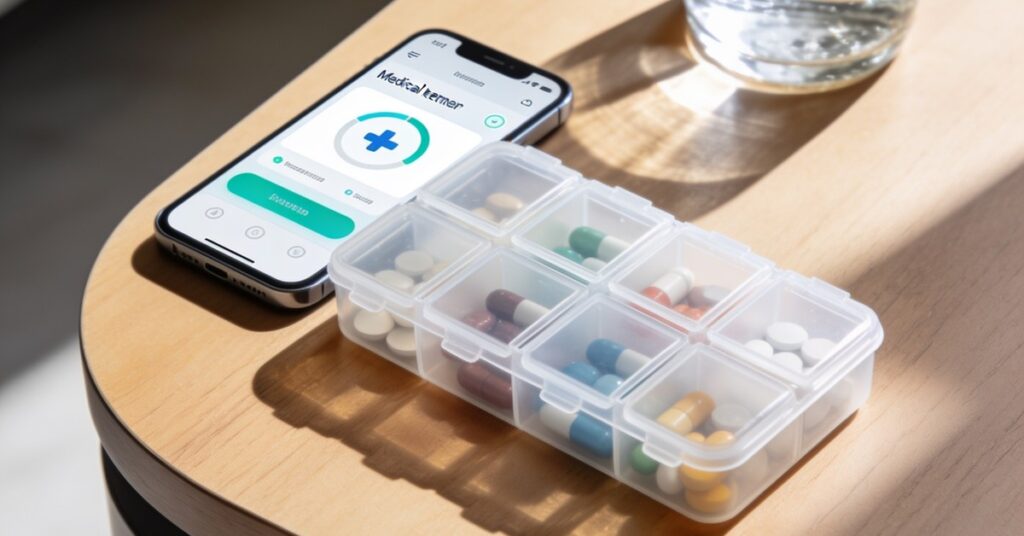
- Utilise a daily pill box to provide immediate visual confirmation of whether you have taken your dose.
- Set recurring alarms on your smartphone or use a dedicated medical adherence app to provide a digital safety net.
- Keep your medication in a place where you cannot ignore it, but keep it safely away from children or pets.
Important: If you ever find yourself in doubt about whether you took a dose or how to proceed, do not hesitate to call NHS 111 for advice, as proactive communication is always better than guessing when it comes to your cardiovascular safety.
Frequently Asked Questions
Is it safe to exercise heavily after missing a dose?
You should generally avoid high-intensity exercise or contact sports if you have missed a dose, as the fluctuation in your anticoagulation levels may increase your risk of bleeding from injuries. Consult your doctor to understand your personal risk profile regarding physical activity and medication gaps.
Can alcohol consumption affect the impact of a missed dose?
Alcohol can interact with various blood thinners and further destabilise your clotting levels, making a missed dose even more problematic. It is highly recommended to avoid alcohol entirely if you are struggling with medication adherence or have recently missed a dose.
Do I need to worry about dietary changes if I miss a dose of Warfarin?
Warfarin is particularly sensitive to changes in Vitamin K intake, and missing a dose while simultaneously altering your diet can cause unpredictable swings in your INR levels. Maintain a consistent diet and speak to your clinic if you suspect your clotting levels have been affected by a missed dose.
Should I inform my dentist if I have been missing doses?
Yes, you must always inform your dental surgeon if you have been inconsistent with your medication, as they need to assess your bleeding risk before performing any procedures. Failing to disclose this information could lead to significant complications during or after dental surgery.
Maintaining a disciplined routine is the most effective way to safeguard your health and stay consistently protected against complications. Remember that if you ever find yourself in doubt, reaching out to your GP or calling NHS 111 is always the safest path to peace of mind.