Taking control of your health through regular blood work is a vital step in any fitness or wellness journey, yet the anxiety surrounding needles remains a common hurdle for many men. In this guide, I will break down exactly what you can expect during the procedure, how to minimise physical discomfort, and the proven psychological strategies to help you stay calm and composed. You will walk away with the practical knowledge needed to approach your next appointment with confidence and complete peace of mind.
To answer your primary concern directly: no, a blood test does not hurt in any significant way, as most people experience only a brief pinprick sensation that lasts mere seconds. On a standard pain scale, the experience typically rates at a 3 out of 10 at most, consisting of a quick pinch followed by a feeling of pressure as the blood is drawn. When you ask yourself, „Does blood test hurt?”, remember that it is a minor, transient discomfort that is a small price to pay for the invaluable health data you receive in return. Many guys find that once they have the facts, the fear factor drops significantly, allowing them to focus on their training goals rather than medical anxiety.
Does a blood test hurt?
Understanding the Sensation of Blood Draws
Having a blood sample taken is typically a quick and uncomplicated procedure. While many individuals express concerns about discomfort, the vast majority experience nothing more than a momentary, sharp prick or a sensation similar to a light scratch. This initial feeling lasts just a few seconds and is often followed by a slight sense of pressure. In most clinical settings, the entire withdrawal process is completed in under a minute.
What Actually Occurs During the Procedure
If you are apprehensive about an upcoming blood test, you are likely wondering about the pain level. To put it simply: the process is not considered painful. The sensation reported by most patients is merely a faint pinch occurring at the very beginning of the procedure.
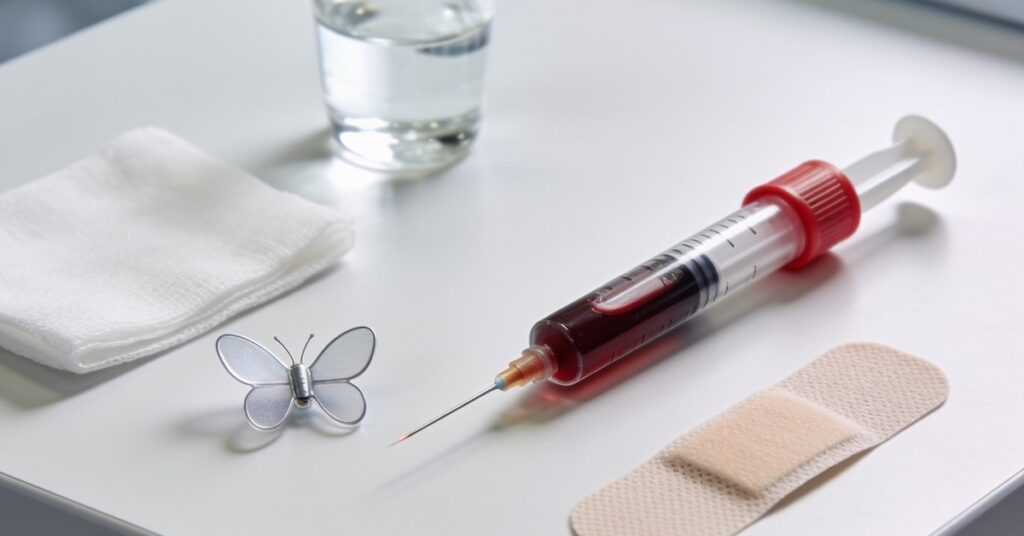
When a healthcare professional takes your blood, they insert a fine needle into a vein, which is usually located in the inner bend of your elbow. The procedure is brief and straightforward.
Potential Side Effects and Aftercare
Although side effects are generally minimal, it is not uncommon to experience minor reactions after the needle is removed. Some individuals may note the following:
- Mild soreness or tenderness at the puncture site.
- A small bruise or discolouration where the needle was inserted.
- Slight bleeding immediately following the procedure.
These symptoms are entirely normal and typically resolve within a few days without any intervention.
Helpful Strategies for a Better Experience
If the thought of needles causes you anxiety, please know that your reaction is perfectly normal. To ensure your blood draw is as comfortable as possible, consider these practical tips:
- Stay well-hydrated before your appointment, as this makes it easier for the phlebotomist to locate a vein.
- Inform the healthcare provider if you are prone to feeling lightheaded or if you have a history of vasovagal responses.
- Try to focus on steady breathing or distract yourself with a conversation to help your muscles remain relaxed.
- Apply gentle pressure to the site if you notice slight bruising afterwards, and allow the area to heal naturally.
What to Expect During a Blood Test and How Much Does It Hurt
The actual sensation of a blood test is a brief pinch or scratch that subsides almost immediately once the needle is inserted. While the anticipation of a medical procedure can often feel worse than the reality, the physical sensation is incredibly short-lived. Most patients find that once the initial entry is complete, the remaining moments involve only a slight pressure as the sample is collected, making the entire process over and done with in less than a minute. It is perfectly normal to feel a bit uneasy, but understanding the mechanics of the draw helps demystify the process and keeps your stress levels low.
Comparing if a Blood Test Hurts More Than a Finger Prick
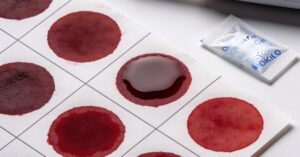
A standard blood test (venipuncture) is generally less painful than a finger prick because the area around the elbow has fewer nerve endings than your sensitive fingertips. Finger pricks are often described as a sharper, more immediate sting, particularly because the very tip of the finger is densely packed with nerves.
| Procedure Type | Sensation Level | Nerve Density |
|---|---|---|
| Finger Prick | Sharp, immediate sting | High |
| Venipuncture | Dull pinch or scratch | Low (at elbow) |
Timeline of How Long Blood Test Pain Lasts
You can expect the needle insertion sensation to last only a few seconds, while the pressure sensation during the draw typically lasts between 10 to 20 seconds. Following the procedure, you might experience mild post-draw soreness or tenderness that persists for 2 to 3 days. While standard bruising usually resolves within that same 2 to 3-day window, any larger, more significant bruises can take up to 3 weeks to completely fade away. If you are tracking your recovery, keep an eye on the site; minor tenderness is typical, but persistent pain is a sign that you should take it easy and avoid aggressive movements for a short period.
Practical Strategies to Reduce Pain During a Blood Test
You can significantly reduce pain by applying EMLA or Ametop numbing cream to the site 30 to 60 minutes before your appointment. From my own experience, getting your hydration right before a test makes the phlebotomist’s job much easier and the whole process smoother. When someone asks „Does blood test hurt?”, I tell them it is mostly about preparation. Follow these steps to ensure you’re prepped correctly:
- Drink at least 500ml of water in the two hours before your appointment to make your veins more prominent.
- Request a butterfly needle if you have small or difficult-to-locate veins.
- Sit on a low chair or a cushion to prevent falls if you are prone to fainting.
- Apply gentle pressure on the bandage for 3 to 5 minutes after the draw to stop internal bleeding.
Managing Needle Anxiety and Why Does My Arm Hurt After a Blood Test
If you suffer from needle phobia, the most effective way to manage anxiety is to inform the medical staff about your concerns before the procedure starts. Use the applied tension technique by holding muscle tension in your arms, upper body, and legs for 10 to 15 seconds to help maintain blood pressure and prevent dizziness. Additionally, practice slow, deep breathing exercises, look away from the needle during the stick, and use distractions like a video or conversation to keep your mind occupied until the process is finished. If your arm feels sore or shows signs of bruising, this is usually due to a minor hematoma where a small amount of blood has leaked under the skin, or perhaps minor nerve irritation.
Specific Considerations for Does a Blood Test Hurt for Children
For children, the experience is made more comfortable through the use of topical numbing agents like EMLA or LMX4, and sometimes an ethyl chloride cold spray to desensitise the skin instantly. Medical professionals typically take blood from veins on the back of the hand or the inside of the elbow for standard tests, or from the capillaries of the finger, thumb, or heel for smaller samples. Because a drop in blood pressure is the leading cause of fainting and dizziness in younger patients, keeping them calm and hydrated is the most effective preventative measure. It is crucial to reassure them that the discomfort is momentary, as a calm patient makes the entire clinical environment much more efficient for everyone involved.
Important: Avoid heavy lifting or strenuous activity for one to two days, but follow the NHS Blood Donation advice by engaging in gentle exercise rather than immobilising the arm, as movement can actually help the healing process. If you are an active guy, missing a heavy session at the gym feels like a step back, but your body needs that brief recovery window to ensure the site heals cleanly without complications.
Frequently Asked Questions
Is it possible to have a blood test without any pain at all?
While some minor sensation is inevitable, using a topical numbing cream prior to the procedure can mask the initial entry of the needle almost entirely. By staying hydrated and relaxed, you make the process so smooth that many patients describe the experience as pressure rather than pain.
What should I do if I feel faint during the blood draw?
You should immediately inform the phlebotomist that you are feeling lightheaded so they can pause or adjust your position. Employing the applied tension technique by tensing your muscles can help maintain your blood pressure and prevent a full fainting episode.
Can I exercise immediately after having my blood taken?
You should avoid heavy lifting or strenuous gym sessions for one to two days to allow the puncture site to seal properly. Engaging in light, gentle movement is encouraged, but putting excessive strain on the arm could increase the risk of bruising or hematoma.
Does the size of the needle affect how much it hurts?
Yes, smaller needles, such as the butterfly needle, are often used for patients with smaller veins or those who are particularly sensitive to needles. Requesting a smaller gauge needle can make the draw feel significantly less intrusive and more comfortable throughout the collection.
Remember that the minor, fleeting discomfort of a blood test is a small investment in your long-term health and peak physical performance. Stay hydrated and use controlled breathing to keep your composure, knowing that you are fully capable of handling this quick procedure with total confidence.