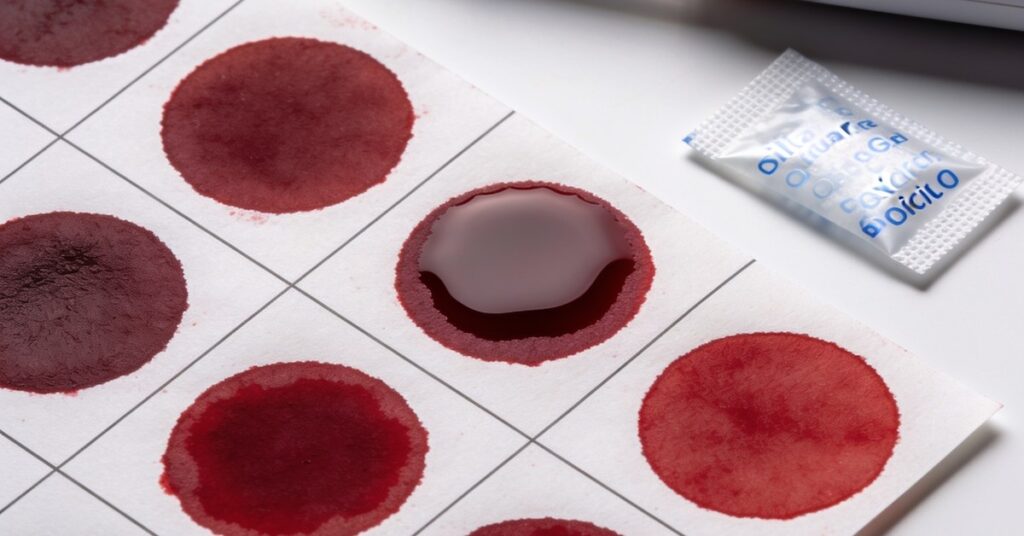
Taking control of your health starts with accurate data, and understanding how modern diagnostics like Dried Blood Spot testing work is essential for anyone serious about optimising their physical performance and long-term well-being. In this guide, you will learn exactly what to expect from this minimally invasive procedure, how to ensure your samples remain reliable, and the practical steps you need to take to prepare for a successful test. By mastering these details, you can cut through the clinical jargon and confidently use these insights to sharpen your approach to your own health journey.
What Is Dried Blood Spot Testing and How Does It Work?
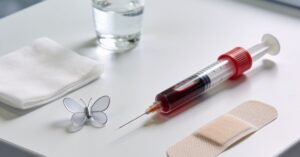
Dried Blood Spot testing is a diagnostic technique that involves collecting small amounts of capillary blood via a simple finger-prick or heel-prick, which is then blotted onto specialised filter paper and air-dried for laboratory analysis. This process is the foundation for modern, accessible health monitoring, moving away from the intimidating environment of a traditional phlebotomy clinic to a method that can be integrated into general practice or even home-based surveillance. It is a brilliant way to track your internal metrics without the constant hassle of scheduling appointments that disrupt your training schedule or work day.
The Laboratory Process for Dried Blood Spot Analysis
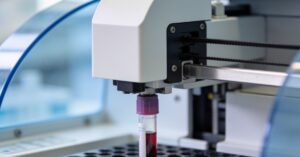
Once your sample arrives at the lab, technicians punch out small discs from the dried blood spots to extract target molecules using a liquid solvent. This elution process requires a minimum of four hours or an overnight stay on a laboratory shaker to ensure that the biomarkers—such as hormones, drugs, or antibodies—are successfully retrieved for testing. It is a highly efficient system that allows one single Dried Blood Spot technology to simultaneously quantify up to 68 different drugs and 6 different hormones, providing a massive amount of data from just a few drops of blood.
Key Advantages of Choosing Dried Blood Spot Over Venous Blood Draws
The primary benefit of choosing Dried Blood Spot analysis is that it provides a minimally invasive way to collect high-quality diagnostic data without the significant iatrogenic blood loss associated with traditional venous draws, which is particularly vital for pediatric and anemic patients. By focusing on capillary blood, you avoid the need for complex, high-volume blood draws, making it a much more comfortable experience for those who are squeamish or have difficult veins. Trust me, swapping the heavy-duty needle for a small, sterile lancet makes the entire process far less taxing on your nervous system.
| Feature | Dried Blood Spot | Venous Blood Draw |
|---|---|---|
| Collection Method | Capillary finger/heel prick | Venipuncture (needle/syringe) |
| Setting | Clinic or home | Clinical setting only |
| Sample Stability | Room temperature | Requires cold-chain |
| Personnel | Can be non-phlebotomist | Requires trained phlebotomist |
Beyond patient comfort, the logistics are a significant upgrade because samples exhibit excellent stability at room temperature, eliminating the need for cold-chain shipping. This simplified approach reduces the biohazard risk compared to handling liquid blood samples and allows for accurate tracking of heavy metals, pollutants, and various biomarkers in remote health and surveillance programmes that would otherwise be logistically impossible to manage.
Versatile Clinical Applications for Dried Blood Spot Monitoring
Dried Blood Spot testing is a powerhouse in modern medicine, serving as a critical tool for everything from newborn screening for congenital diseases to the routine detection of infectious antibodies like HIV, HCV, and the Epstein-Barr virus. Because the collection process is so straightforward, it has become the go-to standard for clinical trials and pharmacokinetic studies where regular, longitudinal data is required to track how a body responds to specific treatments over time. Whether you are monitoring your recovery markers or tracking long-term health trends, the consistency provided by a Dried Blood Spot sample is hard to beat.
Ever found yourself in a similar spot where you needed a quick health check but didn’t have time for a full clinical appointment? For the average guy looking to stay on top of his health, this technology offers a practical way to engage in therapeutic drug monitoring or even roadside testing for toxicological purposes. Furthermore, the ability to rapidly deploy kits has been instrumental in the recent detection of SARS-CoV-2 antibodies, proving that this method is a frontline solution for public health surveillance and individual health management.
Understanding the Limitations and Technical Challenges of Dried Blood Spot
The main limitation of Dried Blood Spot sampling is the hematocrit effect, where the varying viscosity of an individual’s blood can cause inconsistent spreading on filter paper cards like the Whatman 903, potentially impacting the precision of the test results. Because traditional cards have historically exhibited an imprecision rate of 15–20% in newborn screening, clinicians must rely on highly sensitive analytical methods, such as liquid chromatography, to ensure the data remains reliable despite the small sample volumes used.
To ensure your results are as sharp as your training programme, keep these collection tips in mind:
- Ensure your hands are warm to boost capillary blood flow.
- Avoid squeezing the finger too hard, which can dilute the sample with interstitial fluid.
- Always use a sterile, single-use lancet to prevent infection.
Best Practices for Storing and Transporting Dried Blood Spot Samples
To ensure your Dried Blood Spot samples remain stable and accurate, you must follow a strict process to avoid sample contamination or degradation.
- Air-dry the cards for 2 to 4 hours (or overnight) at room temperature.
- Seal the cards in gas-impermeable plastic bags with a desiccant pack.
- Wrap each card individually in foil or plastic for added protection.
- Store long-term at -20°C or lower in clearly labelled freezer boxes.
Important: Always include a humidity indicator card inside your storage bag; if the indicator changes colour, it means moisture has compromised your sample, and the test results could be inaccurate.
Frequently Asked Questions
Can I perform a Dried Blood Spot test at home?
While the kits are designed for convenience, they are usually distributed through clinical programs or general practitioners to ensure the sample quality meets laboratory standards. You should always follow the specific instructions provided with your kit to guarantee the integrity of your blood sample.
How is the Dried Blood Spot protected during laboratory analysis?
Each sample is assigned a unique barcode label that is attached to both the filter paper and your personal records to ensure perfect traceability. This system prevents any mix-up of samples during the high-throughput laboratory analysis phase, keeping your data secure and accurate.
Are there specific dietary requirements before a Dried Blood Spot test?
Generally, you do not need to follow strict dietary restrictions unless your specific test is measuring markers like glucose or cholesterol, which may require fasting. Always check the pre-test instructions provided by your healthcare provider to ensure your results are not skewed by recent meals.
What happens if my Dried Blood Spot sample is insufficient?
If the laboratory technicians determine that the blood spots on your card are too small or improperly applied, they may request a repeat collection to ensure the required 50–75 µL of blood per spot is captured. This ensures that the analytical methods remain precise and your final report is clinically valid.
Integrating Dried Blood Spot testing into your personal health strategy is a powerful way to take control of your well-being with precision and ease. Remember that your results are only as good as your drying technique, so always allow your samples to air-dry thoroughly to ensure you get the reliable insights you need to thrive.