Persistent eye bags can often mask your energy and focus, acting as a constant reminder that your body’s internal balance needs attention. In this guide, I will walk you through evidence-based strategies to reduce puffiness, helping you distinguish between quick aesthetic fixes and the lifestyle adjustments necessary for long-term results. You will learn exactly how to manage your daily habits, select the right products, and recognise when it is time to seek professional medical advice.
To learn how to get rid of eye bags effectively, you must first address the root cause, which is often a combination of fluid retention, ageing, or lifestyle factors like poor sleep and high salt intake. While minor puffiness can be managed at home through cooling techniques and better sleep hygiene, significant or sudden changes in your eye area may require medical intervention or targeted skincare treatments.
How to get rid of eye bags
Immediate relief for lower eyelid puffiness
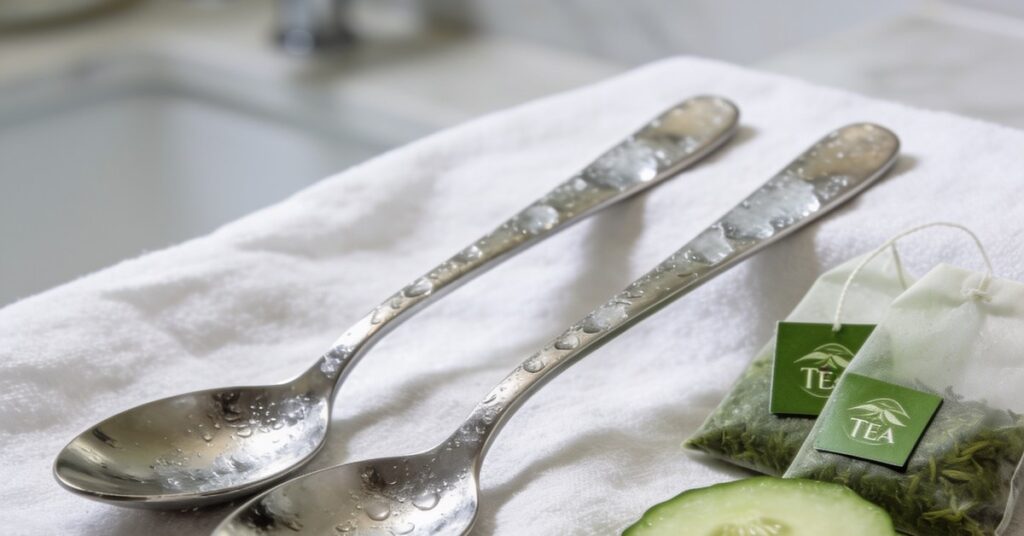
To reduce swelling rapidly, apply a cold compress to the area for approximately five to ten minutes. The low temperature helps to constrict blood vessels and minimise inflammation. Common items such as chilled spoons or cooling gel masks are particularly effective for this purpose.
Lifestyle adjustments for long-term reduction
Maintaining a healthy lifestyle is fundamental to preventing persistent puffiness. Consider the following habits:
- Elevate your head while sleeping to prevent fluid from accumulating in the under-eye area overnight.
- Minimise your intake of salt and alcohol, as both contribute significantly to water retention.
- Ensure you are well-hydrated throughout the day.
- Prioritise high-quality sleep and regular exercise to improve overall circulation.
- If you smoke, aim to quit, as nicotine damages the delicate tissues that support the skin around your eyes.
Topical solutions and skincare
Skincare products can be highly effective in managing the appearance of the lower eyelids. For optimal results, look for creams containing the following ingredients:
- Caffeine: Known for its ability to reduce puffiness quickly and improve micro-circulation.
- Retinol: An excellent long-term solution for improving skin texture and firmness in the orbital area.
- Green tea extracts: Frequently used for their anti-inflammatory properties.
Addressing specific concerns
Under-eye issues often arise from a combination of genetics, the natural ageing process, and environmental factors. Some common triggers include allergies, which may be effectively managed with antihistamine eye drops, and your preferred sleeping position.
Professional interventions
Should home remedies and lifestyle modifications fail to provide the desired results, professional medical procedures may be considered. Consult an oculoplastic surgeon or a dermatologist to determine the underlying cause and discuss appropriate options, such as:
- Chemical peels: A cosmetic approach that exfoliates the skin to improve appearance.
- Facial fillers: These can be injected to smooth out the skin and level the area affected by puffiness.
- Blepharoplasty: A surgical procedure specifically designed to remove excess fat and tissue, or laser-assisted surgery to rejuvenate the under-eye area.
Understanding the Root Causes of Under-Eye Puffiness
Eye bags primarily develop due to the natural ageing process, where tissues around your eyes weaken, and the fat that supports your lids moves into the lower area, causing a bulge. Beyond biology, genetics play a significant role, as do lifestyle factors such as smoking tobacco, excessive alcohol consumption, and chronic lack of sleep. Furthermore, underlying health issues like thyroid problems or persistent allergies can exacerbate fluid retention, making the area appear significantly more swollen. Understanding these triggers is the first step in knowing how to get rid of eye bags, as you cannot fix what you do not identify.
Immediate Home Remedies for Reducing Swelling
You can reduce eye puffiness at home by using cold compresses, chilled metal spoons, or caffeinated tea bags applied directly to the area for 10–15 minutes. These methods work by constricting blood vessels and reducing inflammation. Ever found yourself in a similar spot, staring at the mirror after a rough night? It happens to the best of us, but consistency with these basics is how you reclaim your look.
- Apply a cold compress or chilled spoons to the area for 10–15 minutes.
- Use nasal irrigation to clear sinuses if congestion is causing pressure.
- Apply chilled cucumber slices or a frozen bag of vegetables to soothe the skin.
Adjusting sleep habits and hydration
Improving your sleep environment and hydration control is critical for long-term relief. Aim to sleep 7–8 hours every night with your head slightly elevated using an extra pillow to prevent fluid from pooling under your eyes. It is also wise to reduce your overall fluid intake before bedtime to minimise morning swelling.
Strategic Lifestyle Changes for Long-Term Prevention
Preventing the recurrence of eye bags involves consistent lifestyle management, starting with a strict limit on your dietary sodium intake, which is a major culprit for fluid retention. You should also focus on getting 7–9 hours of quality sleep, treating seasonal allergies consistently, and wearing sunscreen daily to protect the delicate skin around your eyes from UV-induced damage that accelerates ageing. While many guys ignore the long-term impact of their daily habits, small changes here often yield the most dramatic improvements in your facial appearance over the coming months.
Effective Skincare Ingredients and Their Functions
Targeted skincare can significantly improve the appearance of the eye area if you know which ingredients to look for. Caffeine is highly effective as it constricts blood vessels to drain fluid, while hyaluronic acid plumps and hydrates the skin. For long-term structural benefits, retinol stimulates collagen production, peptides help firm sagging areas, and niacinamide combined with vitamin E reduces hyperpigmentation.
| Ingredient | Primary Benefit |
| Caffeine | Constricts vessels to reduce puffiness |
| Retinol | Stimulates collagen to tighten laxity |
| Peptides | Firms sagging skin |
| Hydroquinone | Inhibits melanin for dark circles |
The Reality of Eye Creams and Topical Treatments
Topical eye creams are excellent for reducing temporary puffiness and hyperpigmentation, but they cannot fix hereditary fat pads or severe sagging. While products containing silicates act as a temporary surface „glue” to tighten the skin, they do not melt or reposition herniated fat. For those looking to browse options, retailers like Boots and Superdrug offer a wide range of platforms to explore these over-the-counter solutions.
Professional Medical Treatments and Procedures
When home remedies and skincare reach their limits, medical treatments offer more permanent solutions for structural issues. Lower Blepharoplasty surgery is the gold standard for removing or repositioning fat pads, while hyaluronic acid dermal fillers can camouflage the transition between the cheek and the eye. From my own experience, seeking a consultation with a specialist is often the most efficient route when you realise that no amount of cucumber slices will change a genetic structural issue.
Quick Aesthetic Fixes Using Makeup Techniques
You can instantly disguise eye bags by using a peach or yellow colour corrector on the shadow below the puffiness, followed by a brightening concealer that is 1–2 shades lighter than your skin tone. Apply the concealer only to the indented line rather than the puffy bulge itself to avoid drawing attention to the swelling. Always start your routine by applying a hydrating eye serum and building your products gradually to prevent a cakey, heavy appearance.
When to Seek Professional Medical Advice
You should consult a medical professional if your eye puffiness does not improve within 24 to 48 hours or if the swelling occurs suddenly in only one eye. If you are located in the UK, call 111 for urgent guidance if you notice any alarming changes. Remember: Immediate care is essential if you experience vision changes, double vision, light sensitivity, or if you feel generally unwell with a fever.
Recognising warning signs and urgent symptoms
Seek urgent medical attention if you find that you cannot open your eye or keep it open, as this may indicate a severe underlying condition. It is also vital to consult a GP or optician if the eyelid becomes red, hot, painful, tender, or blistered. Additionally, if a newborn baby under one month old presents with a sticky or red eye, seek medical help immediately to rule out infections.
Frequently Asked Questions
Are there specific foods that worsen under-eye puffiness?
Yes, foods high in sodium are the primary dietary cause of puffiness as they trigger fluid retention throughout the body, including the delicate tissue under the eyes. Reducing your salt intake and increasing water consumption during the day can significantly help decrease this morning swelling.
Can facial massage help with lymphatic drainage around the eyes?
Gentle facial massage or using a jade roller can assist with lymphatic drainage, which helps move stagnant fluid away from the eye area. Always use a light touch with an eye cream to avoid stretching the skin, as the area is extremely thin and prone to damage.
Is there a difference between eye bags and dark circles?
Eye bags are physical protrusions or swelling caused by fat or fluid, whereas dark circles are primarily related to skin pigmentation or vascular visibility. While they often appear together, they usually require different diagnostic approaches and treatment strategies for effective management.
How long does it take for lifestyle changes to show results?
Most people notice a visible reduction in fluid-based puffiness within a few days of improving sleep and diet, but structural changes from consistent skincare take several weeks. Be patient, as consistency is the most important factor in achieving lasting improvements to your appearance.
Mastering the art of how to get rid of eye bags requires a mix of patience and the right environmental adjustments to your sleep and diet. Prioritising consistent sleep hygiene and hydration will do more for your long-term appearance and confidence than any expensive cream ever could.