Managing your cardiovascular health is a fundamental pillar of long-term physical performance and sustained mental clarity. In this guide, I will break down the science behind beetroot and blood pressure, providing you with clear expectations and the practical steps needed to safely integrate this natural tool into your daily routine. You will learn exactly how to leverage this habit to support your body without falling for common health myths or overlooking necessary precautions.
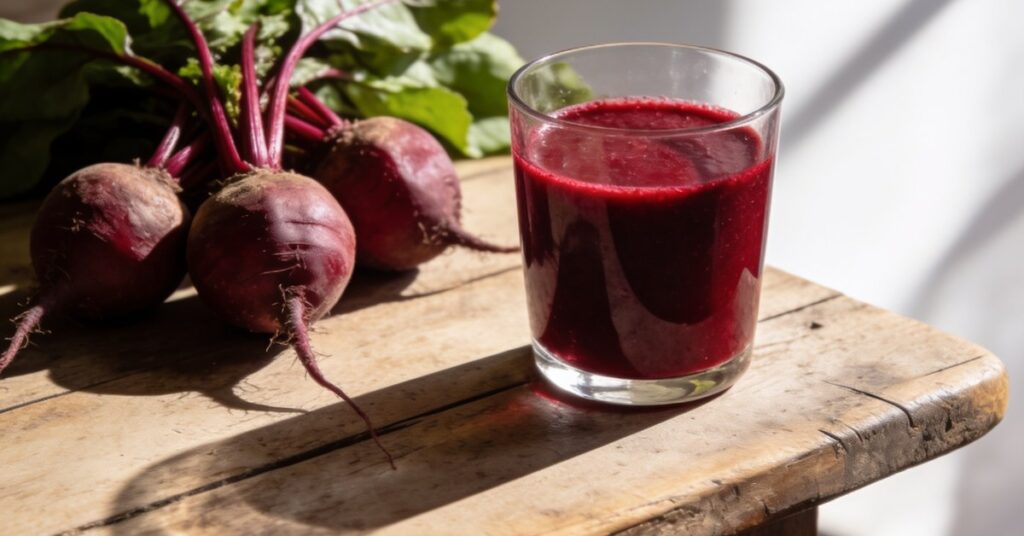
If you have ever asked, does beetroot lower blood pressure, the answer is a definitive yes, supported by solid clinical evidence. Regular consumption of this root vegetable provides a natural boost of dietary nitrates that helps your body regulate vascular tension, often leading to a measurable reduction in systolic pressure within just a few hours of ingestion.
Does beetroot lower blood pressure
The link between beetroot and cardiovascular health
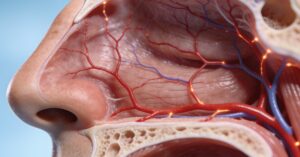
Scientific research indicates that beetroot may indeed contribute to a modest reduction in blood pressure levels. The primary mechanism behind this benefit is the high concentration of dietary nitrates found in beetroots. Once ingested, the body processes these nitrates, converting them into nitric oxide. This specific compound plays a vital role in relaxing and dilating the blood vessels, which facilitates improved blood circulation and helps to lower overall pressure.
Evidence and clinical observations
Various health authorities, including insights aligned with NHS guidance, recognise that beetroot juice can be a beneficial dietary addition for blood pressure management. Several studies highlight the following observations:
- Regular consumption of approximately 250 ml of beetroot juice per day can potentially reduce systolic blood pressure by about 4 to 5 mmHg.
- The physiological impact typically reaches its maximum effect within two to three hours after consumption.
- These cardiovascular benefits may persist for up to 24 hours.
Important considerations for your health
While incorporating beetroot into your diet is considered a healthy practice, it is essential to maintain realistic expectations regarding its potency. The effects are generally modest, and vegetable intake should never be viewed as a replacement for medically prescribed antihypertensive drugs. Please keep the following points in mind:
- Always seek professional medical advice before altering your treatment plan or making drastic changes to your diet.
- Consult with your GP or a qualified dietitian to determine how beetroot fits into your specific health requirements, especially concerning blood sugar levels and existing conditions.
- This information is provided for educational purposes and does not serve as a substitute for personalised clinical guidance from a healthcare professional.
The Science of Vasodilation and how does beetroot lower blood pressure
Beetroot works by delivering dietary inorganic nitrates into your system, which your body converts into nitric oxide, a molecule that signals your blood vessels to relax and widen. This process, known as vasodilation, allows blood to flow more freely, which in clinical trials has been shown to reduce systolic blood pressure by an average of 4 to 10 mmHg. These cardiovascular benefits are not just theoretical; significant improvements in clinical blood pressure readings have been observed in studies lasting up to 90 days. Understanding the mechanism behind how does beetroot lower blood pressure allows you to appreciate why this simple vegetable is a staple for athletes and health-conscious individuals alike.
The Role of Your Oral Microbiome
The initial conversion of nitrate to nitrite relies entirely on the presence of specific bacteria in your mouth. If you use antibacterial mouthwash immediately after consuming beetroot, you risk disrupting these essential oral bacteria and significantly reducing the blood-pressure-lowering effect. For the best results, avoid using mouthwash in the immediate window following your intake to ensure the chemical pathway remains uninterrupted.
Optimal Dosage and Timing for Cardiovascular Results
The most effective and thoroughly researched amount for managing blood pressure is 250 ml of beetroot juice daily. This serving provides between 300 and 500 mg of inorganic nitrates, which acts as the active component to trigger the desired physiological response. In a landmark study published on 19 January 2015 involving 64 volunteers, researchers at Queen Mary University of London found that this specific daily dose helped patients reach 'normal’ blood pressure levels effectively.
The Timeline of Effectiveness
You can expect to see results relatively quickly, as beetroot can begin lowering blood pressure in as little as 30 to 60 minutes. The most significant drops typically occur 2 to 3 hours after consumption, which aligns with the typical onset of nitric oxide elevation in the bloodstream. Because the effects of a 250 ml dose can last for up to 24 hours, maintaining a consistent daily habit is the best strategy for keeping those numbers in a healthy range.
Limitations and why does beetroot lower blood pressure effectively
While beetroot is a potent functional food, it is important to treat it as a dietary supplement rather than a cure-all. A 150 ml portion of juice provides one of your „5-a-day” servings, but it also contains approximately 10g of sugar; since the recommended daily limit for sugars from fruit and vegetable juices is 30g, you must account for this in your overall nutrition plan. Ever found yourself trying to „out-supplement” a poor diet? Trust me, beetroot juice works best when you’re already nailing the basics of your broader fitness plan.
| Feature | Raw Beetroot Juice | Cooked Beetroot |
|---|---|---|
| Nitrate Concentration | High | Low (Heat-sensitive) |
| Dietary Fibre | Low | High |
| BP Reduction Potential | Significant | Minimal |
Raw Juice Versus Cooked Beetroot
Raw beet juice has a significantly greater effect on lowering blood pressure than cooked beets. During the cooking process, heat-sensitive nutrients and nitrates can easily degrade or leach into the water, stripping away much of the cardiovascular benefit. While whole beetroot is an excellent source of dietary fibre, the concentration of nitrates in the raw juice form is far superior for achieving the specific goal of blood pressure reduction.
Safety First and Who Should Exercise Caution
Certain individuals should approach beetroot consumption with caution to avoid adverse health outcomes. If you have chronic kidney disease (CKD), are prone to kidney stones, have a diagnosed beetroot allergy, or currently struggle with low blood pressure (hypotension), you should speak with a healthcare professional before adding this to your diet. Remember: The British Heart Foundation (BHF) explicitly clarifies that beetroot juice is not a replacement for prescribed blood pressure medications, and you should never stop taking your medication without consulting a doctor.
Managing Potential Side Effects
Most side effects are benign, such as beeturia, which is simply the harmless appearance of pink or red urine after consumption. However, some individuals may experience digestive distress depending on their sensitivity. If you decide to make this a daily habit, follow this simple protocol:
- Start with a smaller 70-100 ml dose to test your gut tolerance.
- Monitor your blood pressure levels consistently to track your unique response.
- Avoid using antibacterial mouthwash for at least an hour after consumption.
- Consult your GP if you are already taking antihypertensive medication to avoid an excessive drop in pressure.
Frequently Asked Questions
Can beetroot juice cause dizziness?
Yes, because it acts as a vasodilator, it can potentially cause an excessive drop in blood pressure, leading to dizziness. If you feel lightheaded, increase your water intake and speak to your GP about adjusting your dosage.
Does the sugar in beetroot juice negate the health benefits?
No, the health benefits of the nitrates far outweigh the moderate sugar content for most people. However, you should factor the 10g of sugar per portion into your daily limit of 30g of fruit and vegetable juice sugars.
Are there specific varieties of beetroot that work better?
While all red beetroot contains nitrates, the concentration can vary based on soil quality and growing conditions. Commercially available nitrate-rich beetroot juice extracts are often standardised to ensure you get the required 300–500 mg per dose.
Can I drink beetroot juice if I have had kidney stones?
You should exercise extreme caution and consult your doctor first, as beetroot contains oxalates which may contribute to kidney stone formation in prone individuals. Your medical history regarding renal health is the primary factor in determining if this is safe for you.
Consistency is the secret to success, so stick to your 250 ml daily dose while skipping antibacterial mouthwash to keep your nitrate conversion pathway working perfectly. You have the power to support your heart health naturally, but always stay connected with your GP to ensure these positive changes align safely with your overall medical picture.