Managing your potassium levels is a critical component of long-term kidney health and maintaining the physical stability necessary for peak performance. In this guide, you will discover exactly which Low Potassium Foods fit your dietary requirements, how to prepare them to minimise mineral content, and the practical steps needed to take control of your daily nutrition. I have broken down these strategies into clear, actionable advice so you can approach your health goals with confidence and clarity.
For those managing kidney-related health concerns, a diet focused on Low Potassium Foods is defined by limiting your intake to 2,000 mg or less per day, with each individual serving ideally containing less than 150 mg to 200 mg of the mineral. Achieving this requires a strategic approach to food selection—prioritising specific fruits and vegetables while utilising preparation techniques like leaching to actively reduce potassium levels in your meals. By mastering these habits, you can effectively support your renal function and maintain the electrolyte balance required for your body to function at its best.
Low potassium foods
Adopting a low-potassium diet is essential for individuals managing health concerns such as hyperkalaemia or chronic kidney disease (CKD). Incorporating the right food choices can help maintain stable mineral levels. Optimal selections include apples, grapes, various berries, white bread, white rice, pasta, eggs, and lean sources of protein, such as chicken and white fish. It is imperative to stay away from salt substitutes and items naturally rich in potassium, such as avocados, bananas, and potatoes, unless the latter have been properly par-boiled.
Fruits with low potassium levels
- Apple: 1 medium-sized piece
- Applesauce: ½ cup portion
Nutritious, low-potassium meal ideas for hyperkalaemia
- Crab cakes
- Pan-fried homemade sausages
- Stuffed green peppers
- Jalapeño popper-style appetisers
Managing a low-potassium diet
A structured approach to dietary management helps clarify which specific foodstuffs should be restricted due to their high potassium content. Consistently monitoring your intake across various food groups is a key component of renal health.
Recommended protein selections
When selecting proteins, it is beneficial to focus on options that naturally contain lower amounts of potassium compared to richer alternatives.
Foods to monitor and restrict
Certain fruits are known for higher potassium concentrations and should generally be avoided or limited. These include apricots, bananas, avocados, coconut, figs, cantaloupe, honeydew melon, blackcurrants, and gooseberries. Additionally, steer clear of dried fruits such as dates, raisins, sultanas, and apricots. Note that star fruit should be avoided entirely by patients with renal issues.
Cooking techniques and potassium reduction
Be aware that common cooking methods, including roasting, baking, deep-frying, microwaving, or steaming, are ineffective at removing potassium from vegetables. Always consult with a healthcare professional or a specialist renal dietitian regarding your specific dietary targets, as portion management is as vital as the food choices themselves.
Staples and grains
A balanced diet may include bread, rice, and pasta. Certain breads such as pittas, bagels, croissants, chapattis, and parathas can be suitable, though you should verify ingredients. Recommended snacks include rice cakes, breadsticks, popcorn, mini cheddars, and pretzels. Dairy intake should typically be restricted to approximately 300ml of milk per day.
Vegetable options
Suitable low-potassium vegetable choices include:
- Alfalfa sprouts
- Asparagus (limited to 6 raw spears)
- Broccoli (either raw or cooked from frozen)
- Cabbage
- Carrots
- Watercress
- Yellow squash
- Zucchini squash
- Water chestnuts (canned)
If you have been diagnosed with chronic kidney disease, your kidneys may lose the efficiency needed to filter potassium properly, which can lead to elevated blood levels. Following a carefully planned diet is a core strategy for maintaining your wellbeing.
Recognising the Physical Warning Signs of High Potassium
You can identify potential potassium imbalances by monitoring your body for specific symptoms like heart palpitations, muscle weakness, or a persistent tingling sensation in your limbs. These signs, often referred to as hyperkalaemia symptoms, serve as your body’s way of signalling that your blood chemistry may be shifting outside of safe parameters.
Common indicators for monitoring Low Potassium Foods health
Be particularly vigilant for more severe cardiac or respiratory issues, including chest pain, an irregular or fluttering heartbeat (arrhythmia), and difficulty catching your breath. If you experience these, or notice a slow heartbeat, nausea, or vomiting, treat them as a serious prompt to consult with your medical team immediately. Recognising these markers early is a vital skill for anyone managing kidney health, as it allows you to intervene before a situation becomes critical.
| Symptom Category | What to Watch For |
|---|---|
| Cardiac | Heart palpitations, arrhythmia, slow heartbeat |
| Neuromuscular | Muscle weakness, numbness, tingling in limbs |
| General | Nausea, vomiting, shortness of breath |
Defining Your Daily Limits and Requirements for Low Potassium Foods
A standard diet restricting potassium for someone with chronic kidney disease (CKD) generally targets a daily intake between 2,000 mg and 3,000 mg, though this is not a universal requirement for every patient. Ever found yourself wondering if you really need to cut out all your favourite foods just because of a health diagnosis?
Tailoring your intake to your condition
To keep your health on track, you should aim for a blood potassium level between 3.5 and 5.5 mmol/l if you are not on dialysis, or between 3.5 and 6.0 mmol/l if you are. Since 33% of adults in the U.S. are at risk for kidney disease, being proactive about your blood markers is a smart lifestyle choice. Always work alongside your doctor to determine if these restrictions apply to your personal health profile, as the general recommended intake for a healthy adult is often significantly higher, at approximately 4,700 mg per day.
Selecting the Best Fruits and Vegetables for Low Potassium Foods
You can maintain a diverse and satisfying menu by selecting produce that naturally falls into the category of Low Potassium Foods, defined as containing less than 200 mg per serving. By incorporating a variety of these items, you can hit the recommended target of at least five portions of fruit and vegetables every day without exceeding your safety limits.
- Fruits: Apples, berries, grapes, pineapple, peaches, kiwi, tinned apricots, and tinned rhubarb.
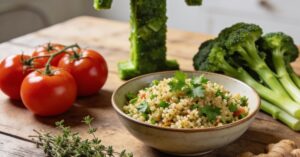
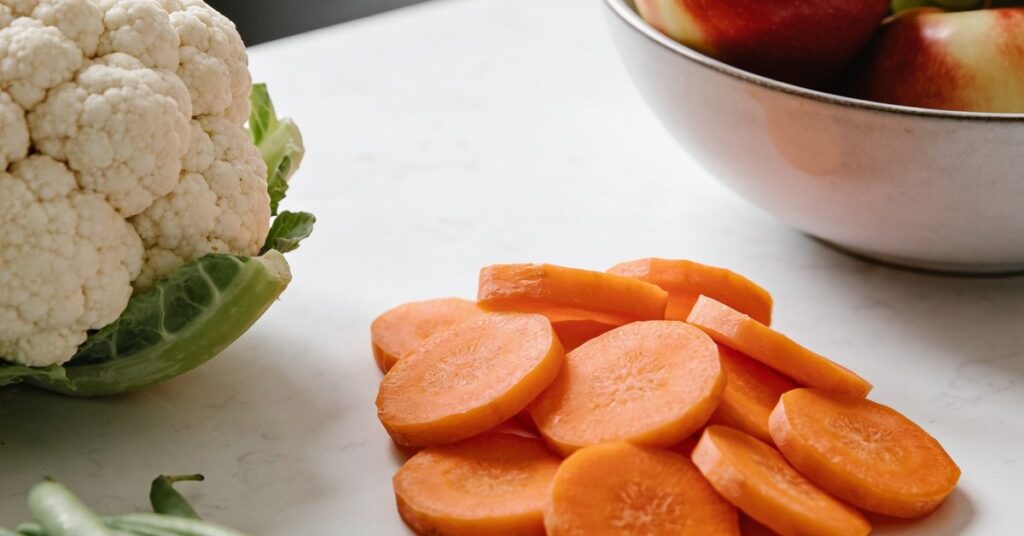
- Vegetables: Asparagus, bean sprouts, broccoli, cabbage, carrots, cauliflower, celery, cherry tomatoes, cucumber, green beans, snow peas, string beans, water chestnuts, and bok choy.
Remember to always drain the liquid from any tinned vegetables before serving to remove excess potassium trapped in the packing water. It’s a small step, but it makes a massive difference in your daily totals.
Smart Strategies for Preparing and Leaching Low Potassium Foods
You can reduce the potassium content of tuberous root vegetables by 50% to 75% by using a process called leaching before you cook them. This simple but effective kitchen technique is a game-changer for anyone who wants to enjoy root vegetables while keeping their mineral intake strictly under control.
- Peel and rinse your vegetables under warm water.
- Cut vegetables into 1/8-inch thick pieces to increase surface area.
- Soak in warm water for at least 2 hours, or hot water for 5 to 10 minutes.
- Boil using 10 parts water to 1 part vegetable (boil potatoes for at least 10 minutes).
- Discard all water used for soaking or boiling.
Important: Never use potassium chloride as a salt replacement, as this will immediately spike the potassium levels in your meal and undo all your hard work.
Crafting Meals and Snacks Using Low Potassium Foods
You can build a sustainable meal plan by centering your diet around white carbohydrates and carefully chosen proteins. By using staples like white bread, white rice, white pasta, and couscous, you satisfy your energy needs while keeping your mineral profile stable.
Many guys worry that a restricted diet means eating bland, boring food, but from my experience, it is all about how you season and combine your ingredients. Try preparing crab cakes, homemade pan sausage, stuffed green peppers, or jalapeño pepper chicken for a meal that actually tastes great. Keep your snacks simple and effective by opting for saltine crackers or a handful of green grapes, and remember to restrict your milk intake to just half a pint per day.
Navigating Food Labels to Identify Low Potassium Foods
You can accurately track your intake by checking the Nutrition Facts panel, where potassium is typically listed directly below calcium and iron. A food is generally considered safe for your diet if it contains 150 mg to 200 mg of potassium or less per serving.
If you cannot find a specific potassium value on a label, scan the ingredient list for any words containing „pota,” which indicates the presence of potassium-based additives. For a more precise approach, use the USDA FoodData Central database or the NHS Food Scanner App to estimate values for whole foods. Developing the habit of checking labels every time you shop is the best way to avoid hidden sources of potassium and maintain long-term control over your health.
Taking control of your renal health starts with precise preparation and consistent monitoring of your daily mineral intake. Always remember that leaching your root vegetables remains your most effective tool for significantly lowering the potassium content of your favourite staple foods.
Frequently Asked Questions
Can I eat bread while following a low potassium diet?
Yes, white bread is generally recommended as a suitable carbohydrate choice. It is lower in potassium compared to many whole-grain varieties, making it a safer staple for your daily meals.
Are frozen vegetables a good substitute for fresh ones?
Frozen vegetables can be a convenient option, provided they do not have added sauces or seasonings that contain potassium additives. Always check the ingredient label to ensure no potassium-based preservatives have been included during the freezing process.
Why is it necessary to discard the water after boiling vegetables?
Discarding the water is essential because the potassium leaches out of the vegetables and into the cooking liquid. If you reuse this water in soups or sauces, you are effectively reintroducing the mineral back into your meal.
How does the NHS Food Scanner App help manage my diet?
The app allows you to scan product barcodes to quickly check nutritional information, helping you identify hidden sources of potassium. It is a highly practical tool for making quick, informed decisions while shopping for your groceries.