Managing your heart health is a major commitment, but feeling constantly drained shouldn’t be the price you pay for your long-term vitality. In this guide, I will break down the science behind statin-related fatigue and provide you with actionable strategies to reclaim your energy and physical performance. You will learn how to distinguish between normal adjustment periods and genuine red flags, ensuring you stay in control of your health journey.
Many guys often ask, „Do statins make you tired?” and the reality is that while yes, statins can cause fatigue and a noticeable „lack of pep” in a significant portion of users, the severity and cause vary from person to person. While some patients report feeling drained, it is essential to recognise that individual responses are highly variable, and scientific consensus often distinguishes between physiological side effects and the nocebo effect, where the expectation of side effects influences how you feel.
Do statins make you tired?
The link between statin therapy and fatigue
Many individuals taking statins report feelings of exhaustion or lethargy. It is widely speculated that these medications may contribute to fatigue by reducing levels of Coenzyme Q10 (CoQ10), a vital substance required for cellular energy production. Furthermore, statins are occasionally associated with muscle soreness, which can interfere with sleep quality, thereby exacerbating feelings of tiredness.
Investigating the cause of low energy
Research indicates that statins function by inhibiting the synthesis of mevalonate, which subsequently lowers ubiquinone levels. While some patients experience a noticeable decrease in energy shortly after beginning treatment, it is important to consider the complexity of these symptoms.
The role of the nocebo effect
Large-scale clinical trials, including extensive reviews published in medical journals, suggest that fatigue is reported with similar frequency among those taking a placebo. This indicates that the nocebo effect—whereby a patient’s negative expectations influence their physical experience—likely plays a significant role in perceived fatigue. Recent studies involving millions of patients suggest that many side effects traditionally attributed to statins may not be directly caused by the drugs themselves.
Symptoms often linked to statin use
Various health concerns have been historically associated with statin therapy, though scientific evidence often challenges these links. Frequently discussed symptoms include:
- Memory impairment or cognitive decline
- Episodes of depression
- Disturbances in sleep patterns
- Erectile dysfunction
- Unexplained weight gain
- Persistent nausea
- General lethargy or physical weakness
- Headaches and dizziness
Managing fatigue while on medication
If you experience significant or ongoing tiredness while taking statins, it is crucial to consult your doctor or a healthcare professional. They can help establish whether your symptoms are a genuine side effect of the medication, a manifestation of the nocebo effect, or the result of an unrelated underlying health issue. Statins typically do not cause profound energy depletion; however, mild side effects like muscle aches or nausea can occasionally impact your overall sense of wellbeing.
Mechanisms behind statin-induced sensations
The dialogue surrounding statins and energy remains active among clinical pharmacologists. Researchers continue to explore mitochondrial function and cellular energy production to better understand why some patients perceive changes in their energy levels while others do not.
Understanding The Link Between Statins And Low Energy
Between 20% and 40% of people taking statins report experiencing low energy levels or a general lack of vitality during their treatment. While some clinical data, such as a 2026 study in The Lancet involving 150,000 people, suggests that sleep disturbances are reported at similar rates by those on dummy pills as those on actual statins, other research paints a different picture. For instance, BA Golomb published research in 2012 specifically highlighting the link between statins, fatigue, and exertional intolerance, suggesting that for many, this is more than just a psychological reaction.
The Biological Mechanism Behind Muscle Fatigue And Energy Loss
Statins cause muscle fatigue primarily by disrupting Coenzyme Q10 production, which is essential for maintaining cellular energy—specifically ATP—within your muscles. When you take these medications, they block mevalonate synthesis, the pathway responsible for creating ubiquinone; without sufficient ubiquinone, your cells struggle to produce the energy required for sustained physical activity.
Why Cellular Energy Drops During Statin Therapy
Research published on 27 August 2019 in JACC: Basic to Translational Science by teams from the University of Leeds and the Karolinska Institute revealed that statins trigger spontaneous, irregular calcium leaks from storage compartments in muscle cells. By compromising ryanodine receptor proteins, the drugs cause mitochondrial dysfunction, which is the direct culprit behind the heavy, tired feeling that many active individuals experience during long-term therapy.
Is Statin-Related Fatigue A Sign Of Myopathy Or Muscle Damage?
Statin-related fatigue can indeed be an early, subtle sign of statin-induced myopathy, which is a general medical term for muscle disease. If you notice symptoms such as persistent cramping, unexplained weakness, or soreness, it is crucial to monitor them closely, as the body’s inability to produce energy efficiently can precede more significant muscle degradation.
Distinguishing Minor Aches From Medical Emergencies
While it is natural to be concerned, an Oxford study indicates that in over 90% of cases where users report muscle pain, the cause is actually unrelated to the statin itself. Nevertheless, you should remain alert to the rare but life-threatening possibility of rapid muscle breakdown. Ever found yourself wondering if that post-gym ache is just a heavy session or something more when you research do statins make you tired?
| Symptom Type | Action Required |
|---|---|
| Mild headache or digestive issue | Schedule a standard GP appointment |
| Unexplained muscle tenderness | Contact GP immediately |
| Yellowing skin or severe nausea | Seek urgent medical attention |
Selecting Specific Statins That Cause Less Tiredness
The type of statin you are prescribed can significantly dictate how much it affects your energy, with hydrophilic options generally being easier on the system than lipophilic ones. Lipophilic statins, such as simvastatin, have a higher fat-solubility, which allows them to cross the blood-brain barrier more readily and has been linked to higher reports of fatigue in large-scale reviews.
If you find that your current medication is hindering your fitness goals, discuss alternatives with your doctor. Research published on 11 June 2012 from the University of California, San Diego, involving over 1,000 adults, confirmed that certain statins are less likely to cause muscle pain or decreased energy levels. Options such as rosuvastatin (Crestor) and pravastatin (Pravachol) are often cited as being better tolerated by those who are physically active.
Practical Strategies To Manage Fatigue And Reclaim Vitality
You can manage statin-induced fatigue by adopting a combination of smarter lifestyle habits and targeted supplementation. Since statins block the synthesis of mevalonate, taking CoQ10 supplements is a highly recommended strategy to help replenish your body’s essential energy stores and mitigate the „lack of pep”.
Remember: Never stop your medication without a chat with your doctor, as your cardiovascular health is the priority.
- Take your statin at night to align with your body’s natural circadian rhythms.
- Eat regular, balanced meals throughout the day to keep your blood sugar stable.
- Maintain a consistent exercise routine but „take it easy” during high-intensity sessions.
Navigating The Recovery Timeline And Statin Vacation Periods
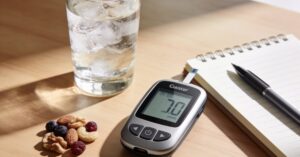
Statins have a half-life of 14–19 days, meaning that if you decide to pause your treatment, it is normal for side effects to persist for a few days or even several months after your last dose. Typically, patients find that mild side effects ease within a few weeks, but for some, it may take anywhere from 30 days up to six months for the body to fully clear the drug and restore natural energy levels. From my own experience, tracking your symptom duration in a simple notebook can make a world of difference when you’re talking to your doctor, as it takes the guesswork out of your recovery timeline.
When To Talk To A Doctor About Statin Side Effects
You should contact a GP immediately if you experience unexplained muscle pain, tenderness, or weakness, and seek urgent medical attention if you notice severe stomach pain, persistent nausea, or the yellowing of your skin or eyes. For milder concerns, such as headaches, digestive issues, or difficulty sleeping—which is listed as an uncommon side effect affecting roughly 1 in 100 people—schedule a standard appointment to discuss your concerns.
Before making any changes to your prescription, consult your doctor or pharmacist. For further guidance, the British Heart Foundation’s Statin Questions and the Mayo Clinic’s Statin Side Effects Guide are excellent, verified resources. If you are ever concerned about rare but serious reactions, do not hesitate to contact 111 for immediate, professional advice.
Frequently Asked Questions
Can I take CoQ10 while on all types of statin medication?
Yes, Coenzyme Q10 supplements are generally considered safe and helpful for replenishing levels depleted by various statins, including Atorvastatin and Fluvastatin. Always verify with your pharmacist to ensure there are no specific contraindications with your current health profile.
Do statins cause permanent muscle damage if I feel tired?
Fatigue is usually a manageable side effect and does not necessarily indicate permanent muscle damage. However, you must report persistent weakness to your GP to rule out rare conditions like rhabdomyolysis.
Is it normal to feel tired only after several months of taking statins?
While many side effects appear early, some patients report a cumulative effect on their energy levels over time. It is worth tracking your daily activity and discussing any late-onset fatigue with your doctor to adjust your treatment plan.
Will switching from a lipophilic to a hydrophilic statin fix my fatigue?
Many patients find relief by switching to hydrophilic options like Pravastatin, which are less likely to cross the blood-brain barrier. Your doctor can assess whether this change is appropriate based on your specific cholesterol management needs.
If you still worry do statins make you tired, discuss targeted CoQ10 supplementation and potential dosage adjustments with your GP to regain your natural vitality. You have the power to balance your cardiovascular health with the energy levels you need to thrive.