
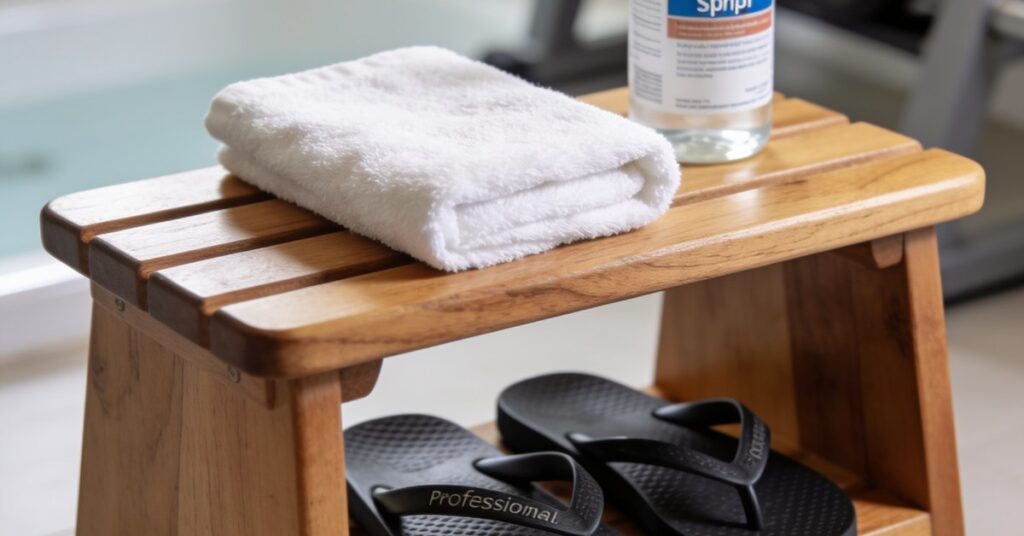
How to get rid of verrucas
Understanding Verrucas (Plantar Warts)
Verrucas are benign skin growths triggered by the human papillomavirus (HPV). They frequently manifest as rough, flesh-toned bumps on the soles of the feet. Although these growths often resolve independently over time, individuals may choose to pursue various treatments to accelerate the healing process or alleviate discomfort.
Table of Contents
ToggleEffective At-Home Treatment Strategies
If you prefer to manage a verruca yourself, several common methods can be highly effective when applied consistently:
- Utilise salicylic acid treatments: Medicated plasters, gels, or paints containing this acid can gradually break down the wart tissue.
- Employ the duct tape method: Apply a small piece of silver duct tape over the lesion for several days, then remove it, soak the area in warm water, and gently file away the dead skin with a pumice stone.
- Use over-the-counter freezing kits: These products are designed to freeze the lesion to encourage its removal.
- Soak and file: Regularly soaking the foot in warm water for at least six minutes followed by careful removal of dead skin cells can assist the healing process.
Essential Hygiene and Prevention Tips
To prevent the transmission of the virus to others or to other areas of your body, observe these precautions:
- Ensure your feet remain dry throughout the day.
- Change your socks daily.
- Do not pick at, scratch, or bite the affected area, as this increases the likelihood of the virus spreading.
- Wear comfortable footwear and refrain from sharing socks or shoes with others.
- Cover the verruca when swimming or using communal facilities.
- Exercise caution when shaving to avoid accidental cuts, which can facilitate viral transmission.
When to Consult a Medical Professional
While many verrucas are harmless and fade without intervention, you should seek advice from a GP, podiatrist, or chiropodist if:
- The verruca changes in shape or colour.
- It begins to bleed or causes significant pain.
- You suffer from diabetes, poor circulation, or have a compromised immune system.
- At-home remedies fail to provide results.
Healthcare professionals may provide stronger acid-based treatments or, in more severe cases, clinical procedures such as full-thickness excision for persistent lesions.
Professional Guidance
Local pharmacists are excellent resources for professional advice on purchasing suitable creams, sprays, or adhesive plasters. For comprehensive information regarding foot health and verruca management, you may wish to consult resources provided by the Royal College of Podiatry or the official NHS guidance on warts and verrucas.
Identifying Your Foot Condition: How To Get Rid Of Verrucas Or Corns
You can distinguish a verruca from a corn by examining the skin’s texture and testing the site for pain, as shown in the table below. Ever found yourself staring at your foot wondering why that callus just won’t go away? It is a common frustration, but identifying the root cause correctly is the difference between an easy fix and a long, drawn-out battle with your own discomfort.
| Feature | Verruca (HPV) | Corn (Pressure) |
|---|---|---|
| Appearance | Small black dots (pepper pot) | Conical, circular shadow |
| Pain Trigger | Discomfort when pinched | Pain when pressed |
| Contagious | Yes | No |
Verrucas are viral infections caused by the human papillomavirus (HPV) and often display small black dots resembling a pepper pot. Conversely, corns are simply patches of hardened skin resulting from friction or pressure, characterised by a conical, circular shadow beneath the surface. A simple test is to pinch the area; verrucas tend to cause discomfort when pinched, whereas corns are typically painful only when direct pressure is applied. Because verrucas are contagious and transmissible between people, identifying them correctly is the first step in stopping the spread to your family or gym mates, as corns are not viral and pose no such risk.
Effective Home-Based Methods On How To Get Rid Of Verrucas
You can effectively remove a verruca at home by applying salicylic acid in concentrations ranging from 17% to 40% to dissolve the infected tissue. I’ve personally found that the key is consistency; you can’t just apply it once and expect a miracle. Here is your home-kit checklist for those looking for practical ways to manage the condition:
- Salicylic acid (17-40% concentration)
- Verruca plasters for protection
- Duct tape for occlusive therapy
- Home cryotherapy kits
Beyond standard acids, you can use verruca plasters or home cryotherapy kits to freeze the growth, or try unconventional but popular methods like applying clear nail polish to suffocate the virus. You could also use crushed aspirin tablets as a topical paste, or apply soothing aloe vera gel to the site. If you prefer a simpler mechanical approach, cutting a piece of duct tape to the size of the wart and keeping it sealed on the area for six days can often interrupt the virus’s environment and lead to the verruca’s eventual detachment.
Natural Remedies And Hygiene Protocols For Foot Care
Natural removal focuses on creating an inhospitable environment for the virus. If you’re going the natural route, follow this daily protocol to keep the progress moving:
- Soak the foot in equal parts apple cider vinegar and water for 20-30 minutes.
- Gently exfoliate the softened skin with a pumice stone or sandpaper.
- Apply a targeted paste (crushed garlic or vitamin C tablet).
- Cover the area securely with a bandage.
- Wash hands thoroughly and change your socks daily to prevent spread.
Other effective methods include applying a paste made from crushed garlic or a vitamin C tablet directly to the verruca, or using tea tree oil, provided you dilute it with a carrier oil to prevent skin irritation. After soaking your foot in warm water, use sandpaper or a pumice stone to gently exfoliate the dead skin, which allows your chosen remedy to penetrate deeper. To ensure these natural efforts succeed, you must wash your hands thoroughly after every touch and commit to changing your socks every single day to prevent the virus from lingering in your footwear or gym bag.
Professional Medical Intervention For Stubborn Cases
Professional medical help is the most reliable path to removal for stubborn or painful verrucas. If home methods haven’t yielded results after a few months, it is time to step up your game. Important: Always ensure your podiatrist is registered with the Health And Care Professions Council (HCPC) to guarantee you are receiving qualified professional care.
Professional medical help features advanced options like Swift microwave therapy, verruca needling, or the application of Verrutop solution by a specialist. Private podiatrists can provide expert assessment and surgical removal if home methods fail. In a clinical setting, GPs may offer freezing treatments that often require multiple sessions, while dermatologists have the capability to perform surgery involving numbing the area, burning the growth, and scraping it away. For the most rapid results, professional cryotherapy using liquid nitrogen at temperatures as low as -196°C is often the gold standard for clinical eradication.
Safely Managing Verrucas In Children
Managing a child’s verruca requires patience, as 50% of these growths disappear on their own within 6 to 12 months, and 90% resolve within five years. To prepare the skin for treatment, soak the area in warm water for 5–10 minutes to soften the keratin. For older children, EMLA local anaesthetic cream can be applied before clinical procedures like Swift® Microwave Therapy or cryotherapy to reduce distress. When applying occlusive treatments, such as zinc oxide tape, ensure the covering is 2mm larger than the verruca. Regardless of the chosen path, ensure the child changes their socks daily and wears flip-flops or sandals in shared showers to minimise the risk of transmission.
Essential Steps To Prevent Further Spread
Preventing the spread of verrucas relies on strict barrier methods. Remember: Never share towels, flannels, or footwear, as this is the fastest way to pass the virus to your training partners or family members.
- Wear flip-flops in communal showers and pools.
- Keep the verruca covered with a waterproof plaster.
- Do not bite your nails or suck your fingers.
- Treat your feet with surgical spirit to maintain hygiene.
Verrucas are highly contagious, so proactive prevention is key to protecting yourself and those around you. Always wear flip-flops in communal spaces such as swimming pools, changing rooms, and shared showers. Never share personal items like towels, flannels, socks, or footwear. Keep the verruca covered with a waterproof plaster, and refrain from activities that could spread the virus, such as biting your nails or sucking your fingers. To maintain a clean environment, avoid walking barefoot in public areas and consider treating your feet with surgical spirit periodically to maintain hygiene, which is a simple habit that keeps your feet in top condition.
Learning How To Get Rid Of Verrucas effectively is mostly about maintaining daily hygiene and consistent treatment until the tissue is fully cleared. Keeping your feet dry and sanitised remains the most powerful tool you have to prevent future infections and maintain your competitive edge.
Frequently Asked Questions
Is it possible to swim with a verruca?
Yes, you can swim, but you must ensure the area is covered with a completely waterproof plaster to prevent shedding the virus into the pool. Once you leave the pool, dry your feet thoroughly and change into fresh, clean socks immediately.
Do I need to see a doctor immediately?
You do not usually need to see a doctor immediately unless the verruca is causing significant pain, bleeding, or spreading rapidly across your foot. Most cases can be managed with over-the-counter treatments for several months before professional intervention becomes necessary.